
Secure the Right Home
Decide whether the farmhouse will be retained, sold, occupied by a successor or separated. Access, services, agricultural ties, maintenance and privacy should be understood before the development boundary is drawn.
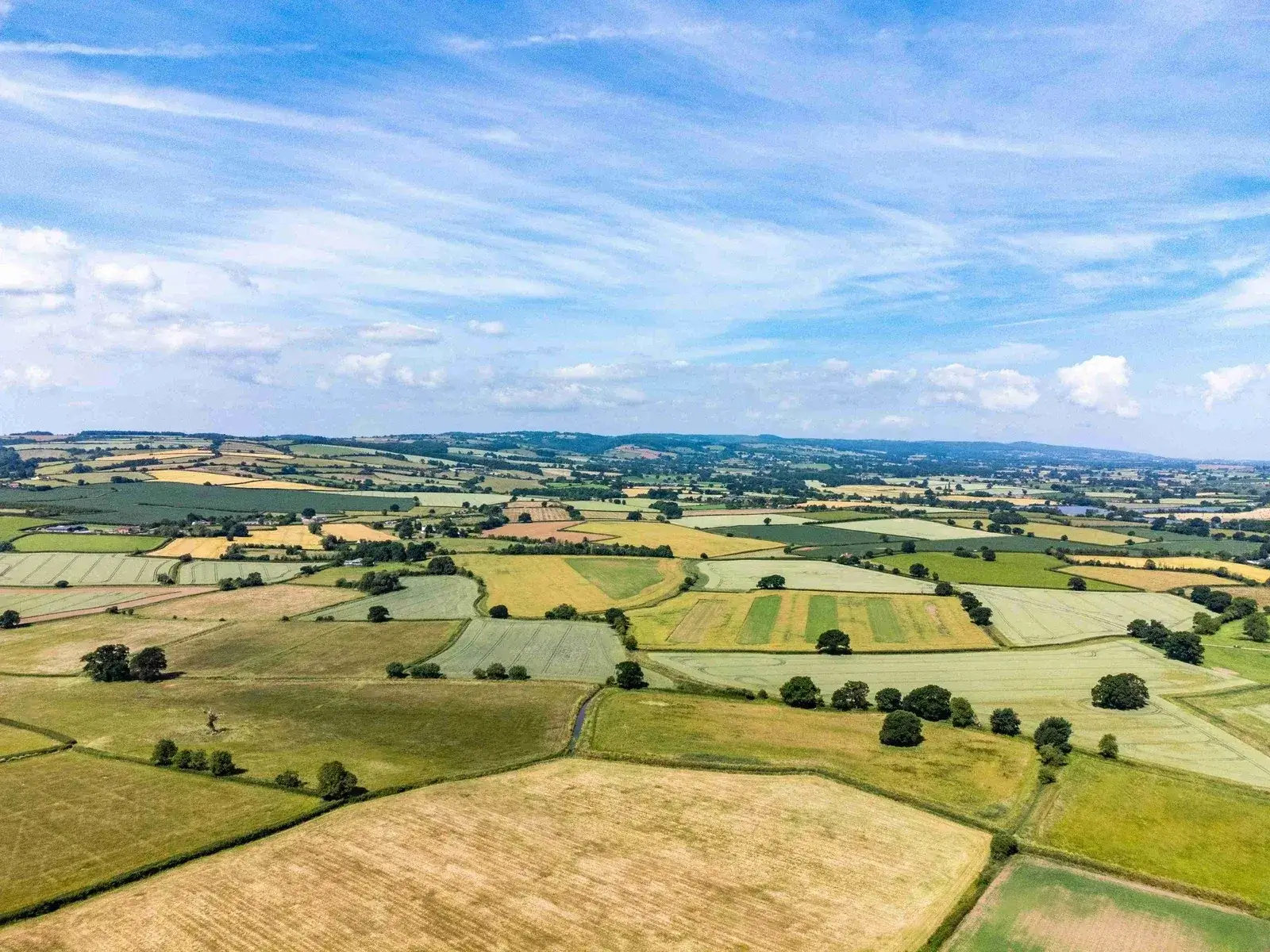
Retirement from farming can require a secure home, reliable income, debt repayment, capital for later life and a workable handover of land, livestock, buildings and management. Where part of a farm may have development potential, that asset can widen the choices available, but planning receipts are rarely immediate or certain.
An unconditional sale may provide speed and certainty, while planning permission, Local Plan promotion or a promotion agreement may improve value over time. Diversification or converted buildings can create income without selling the land. The sell now or wait guide explains why timing should be linked to evidence and personal objectives rather than a general market prediction.
The strongest retirement strategy starts with the outcome required and works backwards. It considers the farmhouse, retained acreage, future involvement in the business, tax and estate advice, the needs of a successor, planning risk, construction or promotion costs and what happens if the development route takes longer than expected. The timetable should include fallback funding and decision points. The farmer may need interim income, borrowing, a tenancy arrangement or a phased reduction in work while planning progresses. Committing the only realistic development parcel to an inflexible agreement can be risky if personal circumstances, health, care needs or the successor’s plans change before value is realised.
Value My Land can provide a free initial planning and development-potential review. We can help identify which parcels may justify further work, compare broad routes and consider how land value could be released in stages without unnecessarily compromising the retained farm or family plan.
Send the farm location for a free initial planning and value-potential review
Define retirement before choosing the land route
A planning strategy should serve the farmer’s financial, housing, family and lifestyle objectives rather than forcing retirement to follow the timetable of a developer or Local Plan.
Start with the practical date and degree of retirement. Some farmers want to stop day-to-day work quickly; others want a gradual handover, retained ownership or seasonal involvement. The plan should identify who will manage the holding, livestock and tenancies during any planning process and whether the retiring farmer expects rent, salary, drawings or sale proceeds.
Housing security should be addressed separately from the development receipt. The farmer may want to remain in the farmhouse, move to a smaller home, create appropriate accommodation elsewhere or retain a garden and access. The farmhouse may be integral to the business, subject to an agricultural occupancy condition, mortgaged with the land or dependent on services crossing a future development site.
Financial needs should be divided into immediate capital, ongoing income and contingency. Debt repayment, tax, replacement housing, care, gifts and farm investment may occur at different times. A long-term promotion route should not be treated as cash available for an immediate obligation, while an urgent unconditional sale may sacrifice value that could have been preserved through a more flexible arrangement.
The whole-farm value should be understood. The how much is my farm worth guide explains how agricultural land, farmhouse, buildings, businesses, tenancies and development potential can contribute differently. Retirement planning may release one component while retaining others for income or family succession.
Finally, define non-financial priorities. These can include protecting the farm name, keeping land in the family, supporting a successor, preserving environmental work or avoiding prolonged planning stress. The strongest route is not necessarily the one with the highest theoretical gross value if it conflicts with health, timing or family objectives.
Retirement planning should identify the required outcome, minimum secure position and acceptable level of planning risk before the farm is offered to a buyer or promoter.
Different needs require different assets
Separating the objectives helps avoid assuming that one sale or planning strategy must solve every financial and family issue at the same time.
Decide whether the farmhouse will be retained, sold, occupied by a successor or separated. Access, services, agricultural ties, maintenance and privacy should be understood before the development boundary is drawn.
An unconditional or partially unconditional sale can meet near-term needs, but the price should reflect any planning premium and the effect on the retained holding. A rushed transaction may give away future uplift.
Rent from farmland, buildings, diversification or retained investments can be different from a one-off receipt. The owner should consider management burden, voids, maintenance, tax and how income changes after retirement.
A partial development receipt can fund working capital, machinery or new buildings. The released parcel should not remove key access or productive infrastructure and leave the successor with a weaker business.
Health, care, family and market circumstances can change. A retirement plan should keep accessible reserves or alternative assets rather than relying entirely on a planning event outside the farmer’s control.
The farmer may prefer to retain core land, environmental commitments or strategic parcels for the next generation. The plan can define which assets may be sold and which require a longer-term stewardship approach.
Match assets to dates and needs
A timeline distinguishes money or income available now from value that depends on planning, construction, sale or a future policy change.
List each asset, owner, occupier, debt, income and likely disposal restriction. Include agricultural land, farmhouse, cottages, buildings, renewable or environmental agreements, machinery, livestock and business interests. Record whether assets are personal, partnership, company or trust property because control and proceeds may not follow day-to-day use.
For development land, record the current evidence: developer approach, settlement relationship, planning history, land-availability assessment, Local Plan stage, allocation, permission or agreement. Assign a realistic range of dates rather than one target. A planning route may be delayed by policy, technical work, infrastructure, appeals or market conditions.
Map immediate financial events such as debt repayment, tenancy changes, replacement housing and business handover. Identify which assets can meet those needs without relying on a speculative receipt. The development opportunity can then be used to improve comfort, equalise family outcomes or fund investment when it matures.
Consider the retained-farm interface. The develop part of my farm guide explains why access, services, drainage, buildings and operational boundaries should be protected. A parcel that appears financially attractive may be unsuitable if its release prevents the successor from farming the remaining land.
The timeline should include decision points rather than only completion dates. Examples include a Call for Sites deadline, planning submission, appeal decision, option exercise, longstop, open-market launch and tax-year or estate-planning review. The farmer and advisers can then coordinate actions and avoid being forced into decisions by an unexpected deadline.
Before retirement depends on a planning assumption
We can review potential development parcels, current planning evidence and retained-farm constraints before a sale, promotion agreement or retirement date is fixed.
Routes trade certainty for potential upside
No single route is best for every retiring farmer. The choice depends on when money is needed, who can manage the process and how much planning and market risk is acceptable.
An unconditional sale provides the clearest timing, but the buyer prices existing uncertainty and may capture later planning uplift. Competitive marketing and independent valuation can improve the result. If the land has credible hope value, overage may preserve a share of a future increase, although triggers, duration, deductions and title protection require specialist drafting.
A conditional contract can require completion after defined planning or other conditions, while an option gives a buyer the right to purchase under agreed mechanisms. The conditional contracts guide and land option agreements guide explain the structures. Terms should not assume that the buyer’s preferred timescale or appraisal matches the farmer’s retirement needs.
A promotion agreement may allow a specialist promoter to fund and manage planning and market the site after success, normally receiving an agreed fee from sale proceeds. The promotion agreements for farmers guide explains the broad model. It can preserve exposure to competitive land value but may take years and should not be the only source of near-term retirement funding.
A farmer may pursue planning directly and sell after permission. This retains more control but requires funding, decision-making and exposure to refusal, technical cost and market change. A Local Plan route can be appropriate for strategic land but has uncertain timing. The professional team and budget should be proportionate to the evidence at each stage.
Income routes include retaining farmland, leasing buildings, diversification or converting qualifying structures. These can support retirement while strategic land matures, but they bring management, repair, tenant and regulatory responsibilities. A strategic hold preserves future optionality but provides no immediate capital unless borrowing or another arrangement is used.
The retirement plan may combine routes: secure immediate needs from one asset, retain income from another and allow a credible development parcel time to mature.
The retained life and farm both matter
These issues can reduce a headline land receipt or make a technically attractive route unsuitable for the farmer’s personal and business circumstances.
The farmhouse and retained land need permanent, workable access and service rights. A new estate road should not leave farm machinery dependent on a management company or an informal route through sold land.
The farmhouse may be tied to agriculture or integrated with the farm business and services. Separation, mortgage release, privacy and future occupation should be checked before it is retained or transferred.
Local Plan, application, appeal, condition discharge and sale periods can extend beyond the target retirement date. Longstops and review points should align with personal needs rather than simply offering maximum control to a buyer.
Ownership, use, timing and changing legislation can affect tax and estate outcomes. Specialist advisers should review the actual route and documents before transfers, agreements, gifts or sales are completed.
Housing values, build costs, finance, infrastructure and policy obligations can change during a long planning process. Retirement assumptions should use ranges and net values rather than a developer’s highest gross figure.
A complex planning strategy requires decisions and administration. The farmer should decide who can act if health changes, where information is stored and whether executors, attorneys or family members understand the plan.
Partial release can improve flexibility
Releasing one suitable parcel can sometimes provide capital while preserving the farmhouse, income land and a viable holding for a successor or tenant.
The parcel should be selected for planning strength and operational independence. Direct road frontage, a logical settlement relationship and manageable constraints can make a smaller field more deliverable. The gross field area should not be confused with the net sale or development area because drainage, landscape, biodiversity, access and infrastructure may require additional land.
The selling part of a farm guide explains title and retained-operation issues. The sale boundary should protect access, water, drainage, services, field entrances, livestock movement and future building needs. Rights reserved too vaguely can concern buyers; rights omitted entirely can impose permanent cost on the retained farm.
Phasing can match personal needs. One parcel might be sold unconditionally for immediate capital while another is promoted for longer-term value. A building conversion may create rental income, and core farmland can continue to be let or farmed. The strategy should consider management burden and whether multiple transactions create unnecessary tax, legal or infrastructure complexity.
A development scheme may itself be phased, but the farmer should understand whether later phases depend on access or infrastructure delivered by the first. Selling the first parcel without enforceable rights can leave the remaining land landlocked or commercially controlled by the initial developer. Comprehensive masterplanning and cross-rights may be needed before separate disposals.
Partial release should also be considered within succession. A development receipt used entirely for retirement may leave the successor undercapitalised, while retaining all upside for the business may leave the retiring farmer insecure. The family and advisers can agree how net proceeds, replacement costs and future uplift are allocated.
A phased strategy should preserve optionality: each transaction must work on its own while keeping the retained farmhouse, farm and later development parcels deliverable.
Do not retire on an optimistic gross figure
Development land can be valuable, but planning obligations, infrastructure, abnormal costs, professional fees, market conditions and time can reduce or delay what reaches the landowner.
Existing use, hope and development value should be distinguished. The existing use versus development value guide explains the stages. Before permission, a buyer prices the possibility of future development. After permission, a residual appraisal still deducts affordable housing, infrastructure, abnormal works, finance, professional fees and developer return.
Agreement appraisals should be transparent. Definitions of gross sale proceeds, allowable costs, infrastructure deductions, promoter fee, minimum price and valuation assumptions can materially affect the landowner’s net receipt. Independent valuation and legal advice are important, particularly where the counterparty controls planning, cost information and the purchase route.
Use low, central and high scenarios rather than one forecast. Include a no-permission scenario and a delayed-sale scenario. Ask whether retirement remains secure if the boundary is reduced, a road upgrade is required, planning policy changes or the housing market weakens when the site is ready to sell.
A contingency may include retaining income assets, selling a different parcel, adjusting the retirement date, reducing debt earlier or keeping accessible savings. The farmer should not feel compelled to accept weak terms because the planning strategy has become the only route to fund an essential need.
Review the appraisal at milestones. A positive land-availability assessment, allocation, permission, technical report or competitive offer can change probability and value. A refusal, new constraint or cost increase can reduce it. Decisions should follow current evidence rather than the original optimistic assumption.
Retirement security should be based on net proceeds and realistic timing, with a workable plan if the development opportunity delivers later or at a lower value.
Retirement and succession are connected but distinct
A retirement arrangement can fail if it secures a capital receipt but leaves no viable business, housing or decision framework for the successor.
The retiring farmer and successor should prepare separate budgets and objectives, then identify shared constraints. The farmer may need capital and housing; the successor may need land, buildings, working capital and decision control. A proposed development parcel should be tested against both sets of needs before it is transferred or sold.
The farm succession and development land guide explains the wider family issues. Development potential may sit in land owned by one person but needed by a partnership, or proceeds may be expected to equalise non-farming family members. Ownership and business records should be checked rather than relying on informal assumptions.
If the farmer remains in the farmhouse, occupation, access, services, maintenance and boundaries should be documented. If the successor occupies it, the retiring farmer’s alternative home should not depend on a planning permission that is still uncertain. Any new dwelling proposal must be assessed through the appropriate planning route and should not be assumed merely because land is available.
Management transition should cover planning decisions. The successor may be responsible for meetings and farm operations but not own the development land. The family should agree who can approve consultants, red lines, agreements and offers, and what happens during incapacity or after death. Clear reporting reduces conflict during a long process.
Independent professional advice protects both generations. The promoter, buyer or developer should not be the only source of commercial advice. Legal, tax, valuation, financial and planning advisers should understand the same objectives and factual assumptions so that one document does not undermine another.
Review the plan at real milestones
A staged process controls cost and keeps the retirement plan connected to current evidence rather than allowing a long planning project to continue automatically.
First, record retirement, housing, income, capital, family and farm-business objectives. Obtain financial, legal and tax advice on the existing position. The planning review can then identify which assets may provide immediate value, income or a longer-term development opportunity.
Second, screen the farm for planning potential. Review settlement relationship, policy, access, flooding, landscape, ecology, heritage, utilities, titles and tenancies. Rank parcels by opportunity and retained-farm impact. Do not commission a complete application team until a credible route and decision threshold have been identified.
Third, compare route scenarios and net outcomes. Include unconditional sale, overage, direct planning, Local Plan promotion, promotion agreement, option, building conversion, diversification and strategic hold where relevant. Record expected timescales, control, cost, risk and the person responsible for decisions.
Fourth, select a route and negotiate protections. Agreement terms should cover objectives, obligations, budgets, milestones, reporting, access, retained rights, deductions, valuation, minimum price, marketing and termination. The retirement timetable and contingency plan should be reviewed before signing, not after the land is committed.
Finally, review at each material planning or personal event. Health, family, tax law, farm needs and markets can change alongside policy and site evidence. A documented review allows the farmer to continue, adjust, sell or stop for a reasoned purpose rather than from fatigue or pressure.
Planning clarity for retirement choices
We assess planning and development potential so that retirement, legal, tax and financial advisers can work from a more realistic picture of the land opportunity.
Identify fields, yards or buildings that may have planning or conversion potential and distinguish immediate from strategic opportunities.
Compare broad planning, promotion, sale and income routes and identify milestones that may or may not align with the target retirement date.
Explain agricultural, hope and permissioned value and the costs and risks that should be considered before a gross figure is used in retirement assumptions.
Review access, buildings, services, operational interfaces and partial-release boundaries so the remaining farm and farmhouse can continue to function.
These guides explain the succession, sale, valuation and agreement issues that commonly sit alongside retirement without duplicating this page’s personal timing and security focus.
Coordinate development potential with ownership, fairness, retained farm viability and decision-making for the next generation.
Read guideCompare immediate certainty with planning milestones, market evidence and the opportunity cost of delaying a sale.
Read guideReview the farmhouse, agricultural land, buildings, business income and development potential within a whole-farm valuation.
Read guideUnderstand how a possible future planning use can affect current value without providing certainty or immediate liquidity.
Read guideProtect access, services, operations and retained rights where a development parcel is released from the wider holding.
Read guideReview whole-farm buyer, planning, due diligence and transaction issues where a comprehensive development sale is considered.
Read guideUnderstand funded planning, reporting, deductions, marketing and the landowner’s exposure to timing and sale value.
Read guideCompare incentives, control, purchase rights and competitive marketing before retirement land is committed.
Read guideConsider planning readiness, optionality, evidence and negotiation before choosing how and when value will be released.
Read guideIt can contribute capital or income, but the value and timing depend on planning, costs, market conditions and transaction terms. Essential retirement needs should have a contingency if the planning route takes longer or delivers less.
That depends on capital needs, income, tax, family objectives, farm viability and planning evidence. An immediate sale offers certainty, while promotion or planning may improve value but add delay and risk.
Potentially, but ownership, mortgage, agricultural occupancy conditions, access, services, privacy and retained-farm arrangements should be checked. The development boundary should not leave the farmhouse dependent on rights that are unclear or impractical.
Yes, where a suitable parcel can be separated without damaging access, buildings, services or the viability of the holding. The title and planning boundary should be designed around both the development and retained farm.
It may suit land with credible long-term potential because the promoter can fund planning and market the site after success. It is not guaranteed or immediate, so the term, milestones and retirement contingency need careful review.
Hope value is a current market premium for a possible future higher-value use. It is uncertain and may be illiquid. Retirement budgeting should use realistic net sale scenarios rather than treating the possible future development value as cash.
Yes. Residential or commercial conversion, letting or diversification may create income or capital where planning, construction cost and demand support the project. It can also create management duties and affect the retained farm.
Yes. Ownership, timing, use, estate plans and changing legislation can affect the result. Specialist advisers should review the actual transaction and family circumstances before an agreement, transfer or sale is completed.
It varies widely. Local Plan promotion, planning applications, appeals, infrastructure and market sale can take years. A retirement plan should use a range of timescales and clear review milestones rather than one promised completion date.
Yes. We can provide a free initial high-level review of planning and development potential, likely routes and retained-farm constraints so those findings can inform wider financial, legal and family advice.
Free initial retirement land review
Send us the farm location and any planning history or developer approach. We can identify potential parcels, broad routes and the evidence that should inform retirement decisions.
We can assess planning potential, likely timescales and retained-farm considerations before retirement depends on an uncertain land receipt.
Our high-level review focuses on the planning and land questions most likely to affect timing, value and the farm that remains.
Phone
0800 061 4006Office
13 Ensign Business Centre
Westwood Way
Coventry
CV4 8JA