What Does "Development Land" Mean?
Development land is land that has the potential to accommodate future residential, commercial, industrial or mixed-use development. This does not necessarily mean that planning permission has already been granted. In many cases, development land is identified because of its location, planning prospects, relationship to existing settlements, or its ability to satisfy future growth requirements.
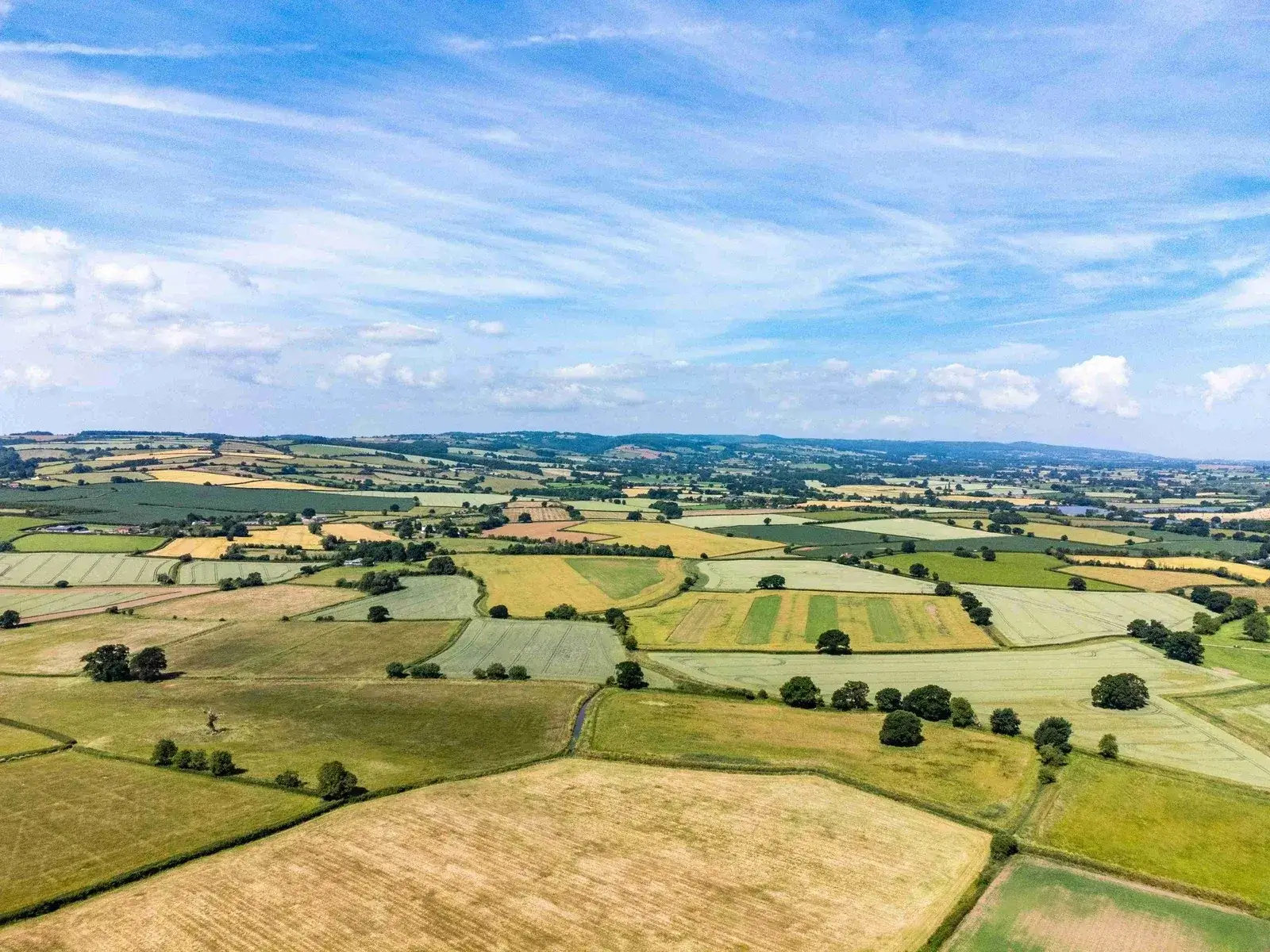
Development land can take many forms, including agricultural fields, paddocks, vacant land, brownfield sites, former commercial premises and larger strategic landholdings on the edge of towns and villages. Some sites may already be allocated for development within a Local Plan, whilst others may be promoted through the planning system to secure future planning permission.
The term is often used broadly because a site's development potential can vary significantly. Land with an existing planning permission will generally have a higher value than land with only a realistic prospect of future development. Equally, land that currently appears undeveloped may still represent a valuable development opportunity if planning policy, housing needs or Local Plan reviews support future growth in the area.
Examples of Development Land include:
For landowners, understanding whether land qualifies as development land is important because even the possibility of future development can have a substantial impact on value. A site does not need to be allocated or benefit from planning permission today to be considered development land if there is a credible route to obtaining consent in the future.
Ultimately, development land is any land that has the realistic potential to be developed and generate value beyond its existing use. The key question is not what the land is used for today, but what it could be used for in the future.
Many sites have hidden development potential that is not immediately obvious. At Value My Land, we help landowners identify opportunities that may not have been recognised, whether through Local Plan allocations, settlement boundary reviews, housing land shortages, strategic land promotion or planning applications.
The Three Main Ways to Sell Development Land
Landowners looking to realise the value of development land typically have three main options available. The most suitable route will depend on the site's planning status, the landowner's objectives and their appetite for risk and timescales.
Sell Immediately
This is usually the quickest option. Some landowners choose to sell their land before planning permission has been secured. This can provide a quicker sale and remove the uncertainty associated with the planning process. However, buyers will usually factor the planning risk into their offer, meaning the sale price may be significantly lower than the value that could potentially be achieved with planning permission in place.
However, buyers will typically discount their offer to reflect:
- Planning risk
- Technical costs
- Time delays
- Uncertainty
As a result, the landowner often receives the lowest value.
Secure Planning Permission First
Planning permission can dramatically increase land value.
Obtaining planning permission before selling can often maximise land value because much of the planning risk has been removed. Developers are generally prepared to pay substantially more for land that benefits from a planning consent. The challenge is that securing planning permission can be costly, time-consuming and there is never a guarantee of success.
However, pursuing planning independently can involve substantial cost and risk.
Promote the Land Before Sale
Many landowners choose to work with a land promoter, such as Value My Land, who funds and manages the planning process before the land is offered for sale. This approach can be particularly attractive because it allows the landowner to pursue planning permission without incurring the substantial costs and risks associated with planning applications, technical reports, consultant fees and appeals. Because the promoter's return is usually linked to the final sale value, both the landowner and promoter share the same objective of securing the most valuable planning permission possible and achieving the highest sale price.
This approach often combines:
- No upfront cost
- Reduced risk
- Higher values
Common Mistakes Landowners Make
Selling Too Early
One of the most common mistakes landowners make is selling land before fully understanding its development potential. Whilst a quick sale may seem attractive, particularly where a buyer approaches directly, it can sometimes result in a landowner accepting a price that reflects the land's existing use rather than its future development value. Planning policy, housing needs, settlement boundary reviews and Local Plan allocations can all have a significant impact on land value. A site that appears to have limited value today may be capable of achieving a substantially higher value if planning prospects are properly investigated and pursued. This does not mean every landowner should delay a sale indefinitely. However, obtaining professional advice before entering into negotiations can help establish whether there are opportunities to enhance the site's value first. Even a relatively short period of promotion or planning work can, in some circumstances, generate a significant increase in the eventual sale price. Understanding what a site could be worth in the future is often just as important as understanding what it is worth today.
Focusing Only on Current Value
Another common mistake is assessing land solely on the basis of its existing use. Whilst agricultural, equestrian or commercial values provide a useful starting point, they often tell only part of the story. In many cases, the greatest value lies not in what the land is used for today, but in what it could potentially become in the future. Future planning potential can have a dramatic influence on land value. Factors such as proximity to existing settlements, Local Plan reviews, housing requirements, infrastructure investment and changing planning policies can all create opportunities that are not reflected in current use values. As a result, land that appears to have relatively modest value today may have the potential to achieve a substantially higher value if development prospects are identified and successfully pursued. This is why experienced developers, promoters and investors often focus on future planning opportunities rather than existing use alone. Understanding both the current value and the potential development value of a site enables landowners to make informed decisions and avoid overlooking opportunities that could significantly increase the value of their land.
Accepting Off-Market Offers
Many landowners receive unsolicited approaches from developers, investors or intermediaries seeking to acquire land privately. Whilst these offers can appear attractive because they may promise a quick and straightforward transaction, accepting an off-market offer without exploring wider market interest can be a costly mistake. Without competition, it can be difficult to know whether the price being offered truly reflects the site's potential value. Buyers will often seek to acquire land at the lowest possible price, particularly where they believe there is future planning potential that has not yet been fully recognised by the landowner. As a result, an off-market offer may reflect only a fraction of the value that could potentially be achieved through a more structured sales process. Where planning permission has been secured, or where a site has strong development prospects, exposing the land to the open market can encourage competition between multiple developers and housebuilders. Competitive bidding frequently helps drive up land values and provides greater confidence that the best available price has been achieved. Before accepting any off-market approach, landowners should ensure they fully understand the site's development potential and obtain independent professional advice. A relatively small amount of due diligence can sometimes make a substantial difference to the eventual sale price achieved.
Ignoring Local Plan Opportunities
One of the most overlooked mistakes landowners make is failing to monitor Local Plan reviews and emerging planning policy. Planning policy is not static; local authorities regularly review housing requirements, employment needs, settlement boundaries and site allocations to meet future growth objectives. These changes can create development opportunities that did not previously exist. Land that may have been considered unsuitable for development in the past can become increasingly attractive as local authorities seek to identify new sites to accommodate housing and economic growth. Sites adjoining existing settlements, located near services and infrastructure, or capable of delivering sustainable development often come under consideration during Local Plan reviews, Call for Sites exercises and land availability assessments. Many landowners are unaware that their land is being assessed by the local authority or that an opportunity exists to actively promote the site through the planning process. Missing these opportunities can mean waiting years for the next review cycle, potentially delaying the prospect of securing planning permission and unlocking additional value. Regularly reviewing planning policy and understanding how local planning strategies are evolving can be an important part of maximising land value. Early engagement with the planning process often provides the best opportunity to ensure a site is considered when future development options are being assessed.
What Increases Land Value?
Land value is influenced by a combination of planning, location, market and development factors, although the most significant increases are often linked to future development potential. Planning permission can have a substantial impact on value, but opportunities may also arise through Local Plan allocations, settlement boundary reviews, housing land shortages and other planning policy changes. Sites located adjacent to existing settlements, with good access to services, infrastructure and transport links, often perform particularly well when assessed for development. Availability, achievability and overall site sustainability can also play an important role, as can market demand from developers and housebuilders seeking new opportunities. Ultimately, land is typically worth more when there is a realistic prospect of securing planning permission and delivering development, which is why understanding a site's future potential is often just as important as understanding its current use and value.
The strongest influences typically include:
Frequently Asked Questions
Free Land Sale Assessment
Value My Land can provide an initial assessment of your site's development potential and advise on the best strategy for maximising value.