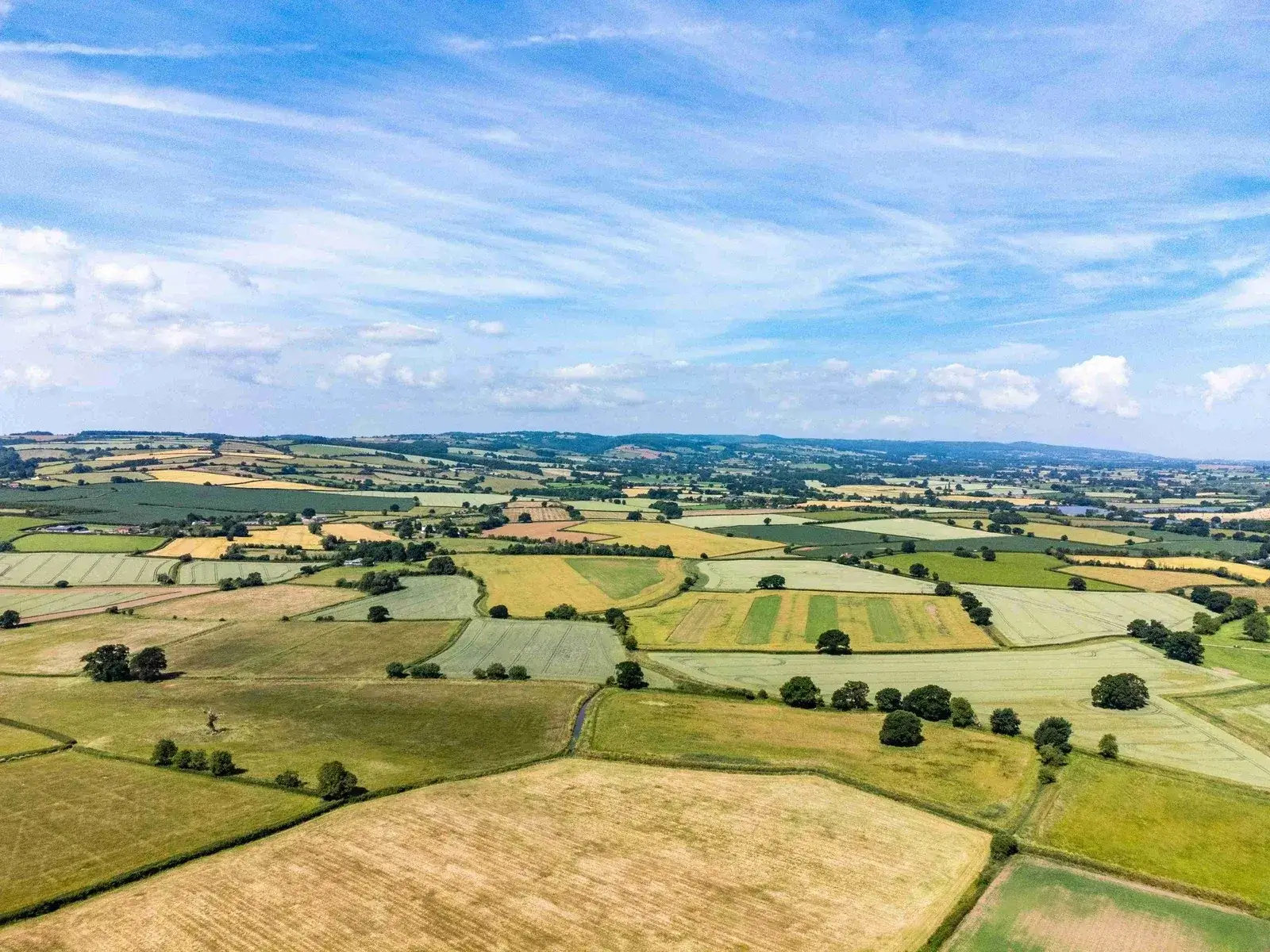
Can I Sell Just Part of My Farm?
Yes. Many development opportunities involve only part of a farm rather than the whole holding. This may be a single field next to a village, land close to existing housing, a redundant farmyard, a paddock with road frontage, a parcel beside a settlement boundary, or land that could form a logical extension to an existing town or village.
For many farming families, selling part of a farm for development can be a way of unlocking value without giving up the entire business. The retained farm may continue to operate, while the landowner releases capital from the most strategically valuable part of the holding.
However, partial farm sales need careful planning. The landowner should consider access, retained land, services, boundaries, tax, legal rights, overage, ransom strips, future farming operations, planning policy and whether a land promotion or planning strategy should be pursued before any sale is agreed.
A rushed sale can reduce value. A properly structured approach can help farmers decide whether to sell now, promote the land first, seek planning permission, submit the site through the Local Plan process, or protect future value through appropriate legal arrangements.
Key points for farmers and landowners include:
Identify the Right Parcel
Not every field has the same planning, access, servicing or market potential. The best parcel may not always be the least productive field.
Retained Farm Access
Access for machinery, livestock, deliveries and retained land must be protected before a parcel is separated or sold.
Planning Strategy
Promotion, allocation or planning permission may increase land value before a disposal takes place.
Services and Boundaries
Utilities, drainage, easements, new boundaries and maintenance responsibilities should be considered early.
Overage Protection
Where land is sold before planning permission, future uplift can sometimes be protected through overage or clawback provisions.
Developer Competition
A properly prepared and marketed development opportunity may attract stronger interest from promoters, developers and housebuilders.
Why Selling Part of a Farm Can Be Attractive
Partial sale can help fund retirement, reinvestment, succession, diversification, debt reduction, inheritance planning or new farm infrastructure. It can also allow a family to release value without disposing of the whole holding or ending the farming business.
Where development potential exists, the value of one carefully selected parcel may exceed the value of a much larger area of ordinary agricultural land. This is why it is important to look beyond agricultural value and assess whether part of the farm could have hope value, strategic land value or development value.
For some landowners, the best answer may be an immediate sale. For others, a promotion agreement, option agreement, conditional contract, Local Plan submission or planning application may create a better outcome.
The right planning strategy can make a major difference to the value achieved from a partial farm sale.
Which Part of a Farm Is Most Likely to Have Development Potential?
The most valuable development parcel is often the part of the farm that relates best to an existing settlement. Councils and developers will usually look at whether the land is close to homes, schools, shops, employment, public transport, footpaths, services and existing infrastructure.
Land on the edge of a village or town may be stronger than an isolated field in open countryside. A redundant yard may be stronger if it is previously developed land, has existing access and can be redeveloped without harming the wider farm. A field with road frontage may be attractive if a safe access can be achieved.
However, each site is different. A parcel that looks obvious on a map may be affected by flood risk, landscape sensitivity, heritage assets, ecology, highways issues, rights of way, restrictive covenants, utilities or ransom strips. A proper review helps identify the strongest area before boundaries are fixed.
Common Partial Sale Opportunities
Land that adjoins existing housing or could form a logical settlement extension.
Smaller parcels where access, visibility and services may be achievable.
Yards, buildings or hardstanding that may have redevelopment potential.
Sites close to emerging allocations, infrastructure improvements or expanding settlements.
Planning Considerations Before Selling Part of a Farm
Before selling any part of a farm, it is important to understand whether the land has a realistic route to planning permission. Development potential can have a significant impact on value, influence the structure of a sale and determine the type of buyer most likely to be interested. Taking advice before marketing land can help ensure that opportunities are not overlooked and that future value is properly protected.
Key Planning Considerations Include:
Local Plan Position
Is the land inside or outside the settlement boundary? Is the council reviewing its Local Plan? Has the land been submitted through a Call for Sites, HELAA or SHELAA process?
Five-Year Housing Land Supply
Where a council cannot demonstrate a sufficient housing land supply, there may be additional opportunities for suitable housing sites, subject to planning balance and constraints.
Access and Highways
A development parcel normally needs safe access, visibility splays, suitable road capacity and a layout that does not compromise farm access or retained land.
Landscape and Countryside
Development must be considered against landscape character, visual impact, settlement form, countryside policies and whether the site would appear isolated or intrusive.
Flood Risk and Drainage
Flood zones, surface water, sustainable drainage, outfalls and foul drainage capacity can all affect whether a parcel is suitable and developable.
Ecology and Biodiversity
Hedgerows, trees, protected species, habitats and biodiversity net gain requirements should be understood before marketing or fixing a development boundary.
Sell Now or Promote First?
A key decision is whether to sell part of the farm immediately or first improve its planning position. Selling now may be quicker and simpler, but a buyer may price in uncertainty and risk. Promoting the land or securing planning permission can take longer, but may substantially increase value.
There is no single approach that is right for every landowner. The most suitable strategy will depend on the planning prospects of the land, the owner's objectives, timescales and appetite for risk. Understanding the potential advantages and disadvantages of each option before taking action can help ensure that future value is not unintentionally lost.
Value My Land can help farmers compare the likely routes and understand whether the land is better suited to an immediate sale, a promotion agreement, an option agreement, a planning application or a longer-term Local Plan strategy.
Immediate Sale
May suit landowners wanting speed and certainty, but can leave value on the table if planning prospects are strong.
Sale Subject to Planning
A conditional sale can link completion to planning permission, although terms, timescales and obligations must be carefully negotiated.
Land Promotion
A promoter funds and manages the planning process and is paid from sale proceeds if successful, reducing upfront cost and planning risk for the landowner.
Overage or Clawback
Where land is sold before planning uplift is fully realised, overage may help the seller share in future value increases.
Protecting the Retained Farm
A partial farm sale should not create avoidable problems for the land that remains. The retained holding needs to be considered just as carefully as the land being sold, particularly where farming operations will continue after the transaction has completed.
Before agreeing a sale, it is important to understand how the disposal may affect access arrangements, field layouts, livestock movements, drainage systems, utility connections and the overall efficiency of the farm. A poorly structured sale can reduce flexibility, increase operating costs and potentially affect the value of the retained land.
Consideration should also be given to future development opportunities. In some cases, retaining strategic parcels of land, reserving access rights or protecting infrastructure corridors can help preserve additional value and avoid restricting future planning options.
Careful legal and planning advice can help ensure that the retained farm remains functional, accessible and capable of adapting to future agricultural or development opportunities. Taking the time to structure a sale properly can often protect both the operational and long-term value of the remaining holding.
Access Rights
Ensure retained fields, buildings and yards continue to have suitable access for agricultural use.
Services and Easements
Protect water, electricity, drainage, telecoms and service runs across retained or sold land.
Boundaries and Security
New fencing, hedgerows, buffers and maintenance obligations may be required.
Future Development
Avoid selling land in a way that blocks access or value for other land that may have future potential.
How Value My Land Helps With Partial Farm Sales
Value My Land can assess which part of your farm has the strongest development prospects, review planning policy, consider access and constraints, advise whether to promote or apply for planning permission, and help you understand what the land could be worth before you commit to a sale.
How We Help Farmers Maximise Land Value
Questions to Ask Before Selling Part of Your Farm
Before agreeing terms with a developer, promoter or neighbour, it is worth asking whether the proposed sale protects both current value and future opportunity.
The boundary should reflect planning prospects, access, drainage, landscaping and the needs of the retained farm.
If prospects are strong, planning permission or allocation may improve the price achieved.
Selling the wrong parcel can block access to other land that may have longer-term development value.
If land is sold before full planning value is realised, overage may protect a share of future uplift.
A stronger marketing strategy can create competition and reduce reliance on a single buyer.
Farm sales can involve tax, title, tenancy, easement and covenant issues, so professional advice should be obtained.
Related Guides
Selling or developing part of a farm can release significant value while allowing the remainder of the holding to continue in agricultural use, but the chosen boundary, access arrangements, retained services and sale structure can affect both the immediate return and the farm's future potential. These related guides explain how to identify and value a development parcel, sell fields for housing, compare promotion and option agreements, and decide whether to sell now or pursue planning first. They also consider how a partial land sale may support retirement and farm succession while protecting the continuing agricultural business.
Can I Sell My Farm for Development?
Understand the main routes to selling farmland for development and why planning potential can materially affect the sale price.
Click hereSelling Fields for Housing Development
Learn how individual fields may be assessed, promoted and sold for residential development without disposing of the whole farm.
Click hereCan I Develop Part of My Farm?
Explore whether a suitable parcel could be developed while the remaining land continues to support the farming business.
Click hereHow Much Is My Farm Worth?
See how location, land quality, buildings, tenure and development prospects can influence the value of a farm.
Click hereExisting Use Value vs Development Value
Understand the difference between agricultural value and the potentially higher value created by development prospects or planning permission.
Click herePromotion Agreement vs Option Agreement for Farmers
Compare two common routes for securing planning and selling farmland, including funding, control, risk and price considerations.
Click hereShould I Sell My Farmland Now or Wait?
Consider how planning status, market timing, Local Plan progress and personal objectives may affect the decision to sell.
Click hereRetirement Planning for Farmers Through Land Development
Explore how releasing the development value of part of a farm could support retirement while retaining the farmhouse or core holding.
Click hereFarm Succession and Development Land
Learn how development land can form part of succession planning, family arrangements and the long-term future of the farm.
Click hereFrequently Asked Questions
Free Partial Farm Sale Review
Value My Land provides a free initial assessment for farmers who want to understand whether part of their farm could be sold for development, what the land could be worth and which route may maximise value.
Explore Selling Part of Your Farm for Development
Contact Value My Land today for a free, no-obligation review of your farmland, including planning potential, retained farm access, land promotion options and possible development value.