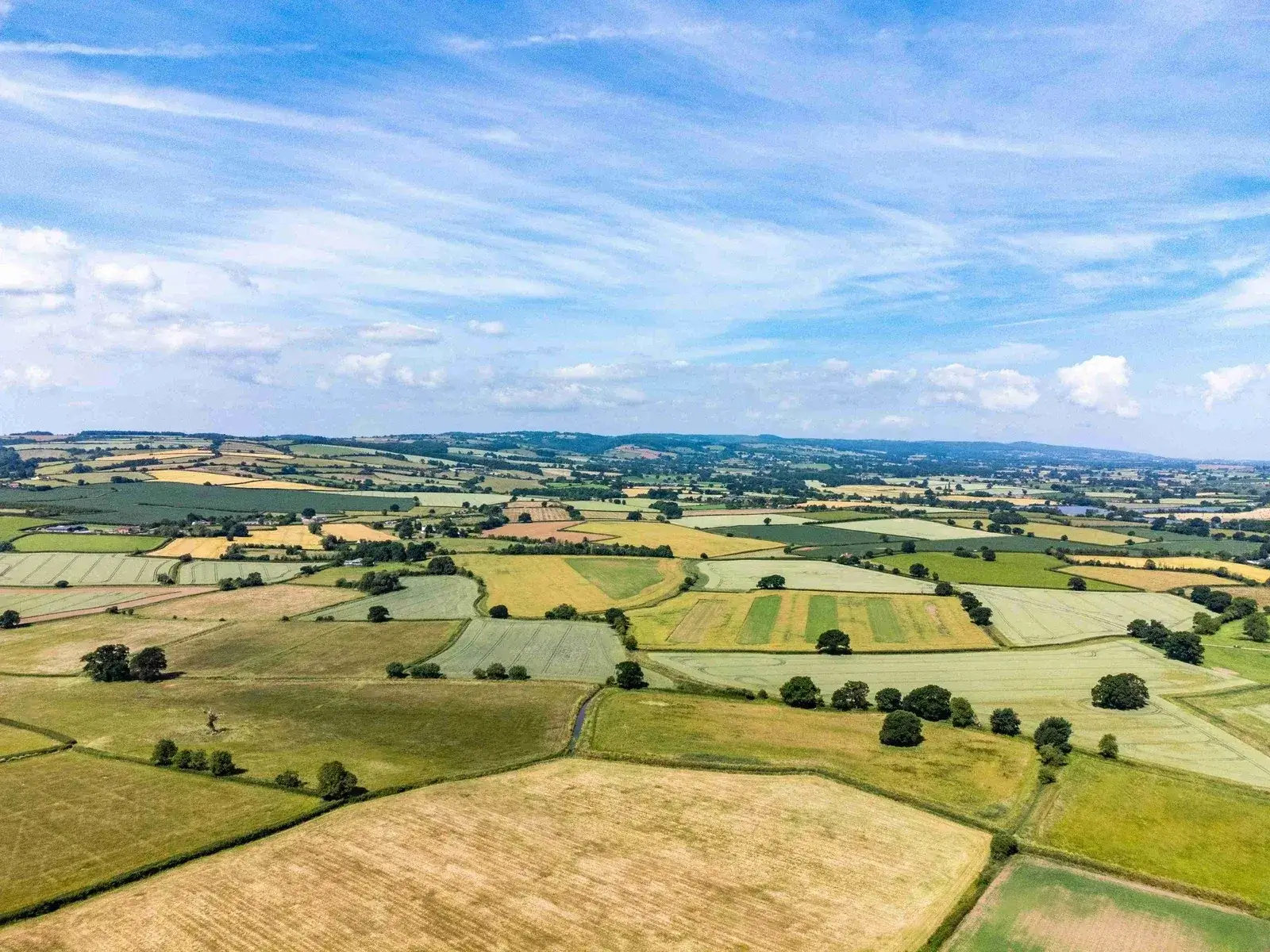
Could One or More Farm Fields Have Development Potential?
Many farmers own fields on the edge of towns, villages or larger settlements that may appear to have future housing potential. A field may sit next to existing homes, have road frontage, be close to services, or be within an area where the local authority is under pressure to deliver more housing. In those circumstances, the land may be worth substantially more than its existing agricultural use value.
However, not every field near housing can be developed. Planning policy, settlement boundaries, Green Belt or Grey Belt considerations, landscape impact, highways, flood risk, ecology, heritage, infrastructure capacity and market demand all affect whether a site is likely to be attractive to developers or suitable for allocation in a Local Plan.
Value My Land can help farmers identify whether a field is a realistic development opportunity, whether a planning strategy is required and whether selling immediately could undervalue the land. We can review the site, consider planning prospects and explain the possible routes before you spend money on reports or agree terms with a buyer.
Key Factors That Influence Development Potential
Location and Settlement Relationship
A field adjoining an existing town or village may have stronger prospects than isolated land in open countryside. The relationship with nearby housing, services, schools, shops, bus routes and employment areas can be important.
Value My Land can assess how your field relates to the built-up area and whether it may form a logical extension to a settlement.
Planning Policy and Local Plans
Local Plans, settlement boundaries, housing land supply, Call for Sites exercises and site allocation processes can all affect whether fields may be suitable for housing development.
Value My Land can review adopted and emerging policy and identify whether your land should be promoted through the planning system.
Access and Highways
Safe access to the public highway is often one of the first matters developers and local authorities consider. Visibility splays, road width, pedestrian links and junction capacity may all be relevant.
Value My Land can help identify whether access is likely to be a key opportunity or constraint before you progress discussions.
Housing Need and Market Demand
Where an area has housing pressure, affordability issues or a shortage of deliverable sites, well-located fields may attract interest from housebuilders, promoters and land buyers.
Value My Land can consider whether your field sits in an area where demand may support a stronger development value.
Constraints and Mitigation
Flood risk, ecology, landscape character, trees, public rights of way, heritage assets, drainage and utilities can affect deliverability and the net developable area.
Value My Land can highlight key constraints early and explain whether they are likely to be manageable.
Land Value Potential
A field may have agricultural value, hope value, strategic value or full development value depending on its planning prospects and the level of certainty available to a buyer.
Value My Land can explain the difference and help you avoid selling without understanding the potential uplift.
Why Selling Fields for Housing Development Needs a Strategy
Farmland is often valued by reference to its existing agricultural use. Development land is different. The value of a field can change dramatically where there is a credible route to planning permission, a Local Plan allocation, strong developer demand or a realistic prospect that the land could be included within a future settlement boundary.
For farmers, this can be highly important for succession planning, retirement, reinvestment in the farm business, debt reduction, tax planning, diversification or deciding whether to release only part of a holding. A single field may be capable of unlocking value while allowing the remainder of the farm to continue operating.
Value My Land helps landowners consider the bigger picture before selling. We can review whether immediate sale, land promotion, an option agreement, a promotion agreement, an overage arrangement or further planning work may be more appropriate.
Planning Progress Can Increase Land Value Before Planning Permission Is Granted
Selling Now Compared with Promoting the Land First
If a developer approaches you directly, it can be tempting to agree a quick sale. In some cases that may be sensible, particularly where the price reflects the true planning potential and the legal structure protects the seller. In other cases, the offer may be based on uncertainty and may not reflect the value that could be achieved after planning promotion or allocation.
Promoting land first can help establish whether the field is suitable, available and achievable for housing development. It may also create competition between developers once the planning position has improved. This can be especially important where the field is on the edge of a settlement, near existing infrastructure, or within an authority preparing a new Local Plan.
Value My Land can review the likely planning route and explain whether the land should be assessed further before sale. Where suitable, our land promotion approach may allow the site to be promoted without the farmer paying upfront planning costs.
Common Sale Routes
Immediate Unconditional Sale
Usually quicker, but may not capture the full development uplift if planning potential has not been properly tested.
Conditional Contract
A sale may complete if planning permission is obtained, but the terms and timescales need careful review.
Option Agreement
A developer may secure the right to buy later, often after planning. The pricing mechanism is critical.
Promotion Agreement
The land is promoted to secure planning and then normally sold on the open market, helping create competitive tension.
Overage or Uplift
A future payment may be triggered if planning permission or development increases value, but wording must be carefully protected.
What Developers Look for When Buying Fields for Housing
Housebuilders and land promoters usually look for land that can be delivered, serviced and sold. A field does not need to be perfect, but the stronger it performs against key planning and technical matters, the more attractive it may become. Value My Land can help present your land in a way that addresses these points from the outset.
Key Factors Developers Consider
Deliverable Access
Road frontage, safe junctions, visibility, pedestrian links and the ability to serve the number of proposed homes.
Planning Support
Policy support, emerging allocations, housing land supply pressure or settlement growth opportunities.
Services and Facilities
Proximity to schools, shops, healthcare, public transport, employment areas and community infrastructure.
Utilities and Drainage
Connections to water, foul drainage, electricity and practical surface water drainage solutions.
Manageable Constraints
Ecology, trees, heritage, public rights of way, landscape impact and flood risk that can be mitigated.
Clear Ownership
Title, access rights, tenancies, covenants, ransom strips and third-party interests can affect value.
Appropriate Scale
The number of homes should be proportionate to the settlement, infrastructure and site capacity.
Market Appeal
Developers consider sales values, build costs, affordable housing, contributions and likely profit.
How Value My Land Can Help
Value My Land helps farmers and landowners understand whether fields have housing development potential and what steps may be available to maximise value before sale.
We can review planning policy, settlement boundaries, housing need, site constraints, access, infrastructure, Local Plan opportunities and likely developer demand. We can also explain whether a promotion agreement, planning application strategy or sale with appropriate protections may be suitable.
Where appropriate, land promotion can allow a field to be promoted through the planning system without the farmer funding all planning costs upfront. If planning permission is not secured, the landowner is not left carrying the promotion costs.
How We Help Farmers Maximise Land Value
Questions to Ask Before Selling a Field for Housing
Before agreeing heads of terms, signing an exclusivity agreement or accepting a developer’s offer, farmers should understand the answers to several important questions. Value My Land can help work through these points and identify whether further planning work is justified.
A better informed landowner is usually in a stronger negotiating position.
- Is the field inside or outside the settlement boundary?
- Is the council preparing a new Local Plan or asking for development sites?
- Could the field be suitable for housing, affordable housing or mixed-use development?
- Would planning permission, allocation or promotion increase the value?
- Are there access, drainage, ecology, landscape or legal constraints?
- Is the offer based on agricultural value, hope value or development value?
- Would overage, a promotion agreement or open market sale provide better protection?
Related Guides
Explore our practical guides for farmers and rural landowners considering the sale of fields for housing development. Learn how planning and land promotion can affect value, how to compare promotion and option agreements, and what to consider before selling part or all of a farm to a developer.
Can I Sell My Farm for Development?
Review the planning, promotion and sale routes available where a farm may have development potential.
Click hereSelling Part of a Farm for Development
Consider how to sell development land while protecting access, boundaries and the operation of the retained farm.
Click hereBuilding Houses on Agricultural Land
Understand the planning policy, access and technical issues involved in residential development on farmland.
Click hereCan I Develop Part of My Farm?
Review how part of a farm may be assessed for housing or other development while retaining the wider holding.
Click hereWhat Is Land Promotion?
Learn how specialist promotion can pursue planning permission and market land to secure the best price.
Click hereLand Option Agreements
Understand how option agreements work and the commercial terms farmers should consider before signing.
Click herePromotion Agreement vs Option Agreement
Compare two common agreement structures before committing fields to a future development route.
Click hereExisting Use Value vs Development Value
Learn the difference between agricultural value and the potentially higher value created by housing consent.
Click hereShould I Sell My Farmland Now or Wait?
Consider market value, planning prospects and personal objectives before deciding when to sell fields.
Click hereFrequently Asked Questions
These questions cover common issues farmers ask before selling fields for housing development. Value My Land can provide a free initial review if you are unsure how these points apply to your land.
Free Farmland Potential Review
Value My Land provides a free initial review of your farmland, planning prospects and potential development value.
Whether you have received an approach from a developer, are considering selling one field, or want to understand whether your land should be promoted through a Local Plan, we can help you take an informed first step.
Find Out Whether Your Farmland Has Development Potential
Understanding planning policy, developer demand and development value could be the first step towards unlocking the full potential of your farmland. Contact Value My Land today for a free initial review before you agree terms, sell too early or miss the opportunity to maximise value.