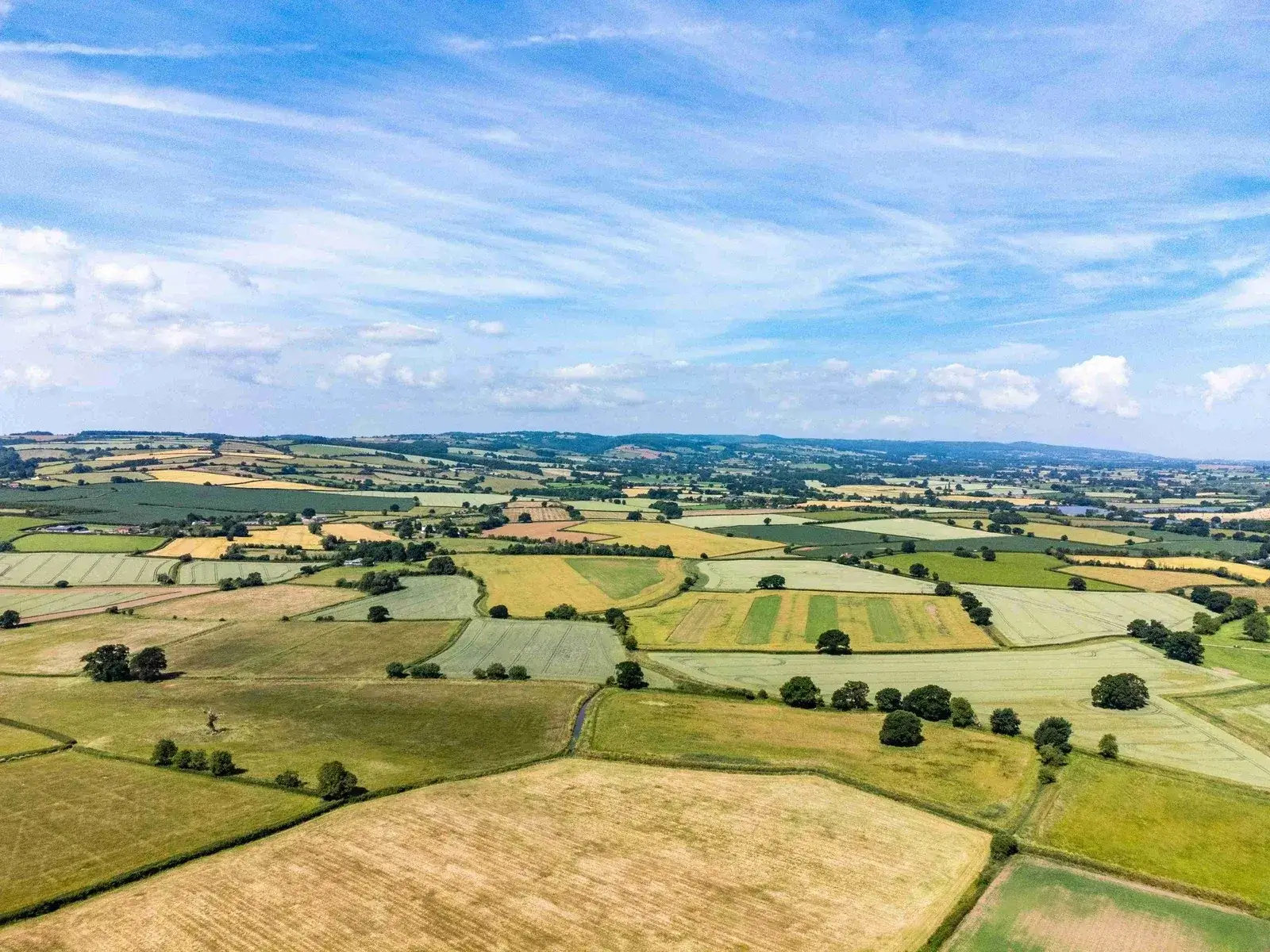
Farm land development potential background

What Is Land Promotion?

A Guide for Farmers and Landowners

Land promotion is a way of unlocking the development potential of land without the farmer or landowner paying the planning costs upfront.

A promoter identifies the planning opportunity, funds the work needed to pursue planning permission and helps bring the land forward for sale to a developer.

For farmers, this can be a practical route to maximising value while retaining ownership until planning permission or a land sale is achieved.

Get Your Free Farm Land Review

Find out whether your farm land may have development potential

What Does Land Promotion Mean?

Land promotion is the process of actively promoting land through the planning system with the aim of securing planning permission or improving the site's planning status. It is commonly used for agricultural land, paddocks, edge-of-settlement fields and strategic land that may be suitable for housing, employment or mixed-use development in the future.

Under a typical land promotion arrangement, the landowner continues to own the land while the promoter funds and manages the planning strategy. This may include planning consultants, highways advice, ecology reports, landscape work, flood risk assessments, legal input, Local Plan representations and planning applications.

If planning permission is secured and the land is sold, the promoter is usually paid from the sale proceeds. If planning permission is not obtained, the promoter normally bears the planning costs. This makes land promotion attractive to farmers who want to explore development potential without taking on substantial upfront risk.

Key points for farmers and landowners include:

Planning Strategy

A clear route is prepared for Local Plan promotion, planning applications or both.

No Upfront Planning Cost

The promoter normally funds the planning work and consultant team.

Farmer Retains Ownership

The landowner generally remains owner until the land is sold after planning progress.

Development Value

The aim is to move land from agricultural value towards development value.

Developer Marketing

Once planning progress is achieved, the land can be marketed competitively.

Risk Management

Technical, policy and delivery issues are assessed before major costs are incurred.

What Types of Land Can Be Promoted?

Land promotion is not restricted to very large farms or major strategic landholdings. A wide range of sites may have development potential where they are well located, capable of being accessed safely and capable of being delivered in planning terms.

The best opportunities are often found on land adjoining existing settlements, land close to schools, shops and services, or land within areas where the local council needs to identify additional housing or employment land.

Agricultural Land

Fields on the edge of towns and villages can sometimes be promoted for future housing, employment or mixed-use development.

Paddocks & Small Parcels

Smaller parcels may be suitable where they round off an existing settlement or adjoin built development.

Farmyards & Buildings

Redundant buildings, hardstanding and former agricultural areas may have redevelopment potential.

Strategic Land

Larger landholdings may be promoted through the Local Plan process for future allocation.

What Makes Land Suitable for Development?

Location

Land adjoining an existing town, village or settlement boundary is often more attractive than isolated countryside land.

Access

Safe vehicle access, visibility, highway capacity and pedestrian connectivity can all affect planning prospects.

Planning Policy

Local Plan reviews, Call for Sites exercises, housing need and settlement strategies can create opportunities.

Deliverability

Councils and developers favour sites that can realistically be delivered within the plan period.

Why Farmers Use Land Promotion

Many farms contain land that may be suitable for future housing or employment development, but pursuing planning permission can be expensive, uncertain and time-consuming. Land promotion provides a way to test and pursue that opportunity without the farmer personally funding the whole process.

It can be particularly useful where a farm lies close to a town or village, adjoins existing housing, has access to services, or falls within an area where the council needs to identify additional development land.

The right planning strategy can make a major difference to the value achieved.

Free initial assessment
Planning potential review
Local Plan strategy
Land promotion advice

How the Land Promotion Process Works

Land promotion is usually a staged process. The promoter assesses the opportunity, funds the technical work, pursues planning strategy and helps bring the land to market once planning progress has been achieved.

Stage 1

Initial Site Assessment

Planning policy, access, constraints, settlement relationship and likely developer demand are reviewed before a strategy is recommended.

Stage 2

Promotion Agreement

The agreement sets out responsibilities, timescales, planning costs, marketing arrangements and how sale proceeds will be distributed.

Stage 3

Technical Evidence

Highways, ecology, flood risk, landscape, trees, heritage, utilities and other technical matters are assessed where required.

Stage 4

Local Plan Promotion

The site may be submitted through Call for Sites, HELAA or SHLAA processes and promoted during Local Plan consultations.

Stage 5

Planning Application

Where appropriate, an outline or full planning application may be prepared to secure planning permission and increase land value.

Stage 6

Sale to Developer

The land is usually marketed competitively to housebuilders or developers to help achieve the best possible price.

Land Promotion vs Option Agreements

Farmers and landowners are often approached with different types of land agreement. Promotion agreements and option agreements can both be used to unlock development value, but they are not the same.

Promotion Agreement

A promoter works to secure planning permission or improve planning status. The land is then normally sold on the open market, with the promoter paid from the sale proceeds.

  • Competitive marketing to developers
  • Landowner and promoter both benefit from a higher sale price
  • Planning costs usually funded by the promoter

Option Agreement

A developer usually secures the right to buy the land at a later date if planning permission is obtained. The developer will often become the eventual purchaser.

  • Developer controls much of the process
  • Sale price may be formula based
  • Less open market competition in many cases

Which Route Maximises Value?

Every site is different and legal advice should always be obtained before entering into an agreement. However, many farmers prefer promotion agreements because the land is usually exposed to the market after planning progress has been achieved.

This can help align the promoter and landowner around the same objective: achieving the highest realistic sale price.

How Value My Land Can Help

Value My Land can review your farm, assess planning policy, consider Local Plan opportunities, identify likely constraints and advise whether land promotion or a planning application may be appropriate. We can help farmers understand what their land may be worth now, what it could be worth with planning permission, and what strategy may give the best chance of maximising value.

Our free initial review can consider settlement boundaries, Local Plan status, Call for Sites opportunities, housing land supply, access, flood risk, ecology, landscape, Green Belt or Grey Belt considerations and likely developer interest. Where land appears suitable, we can explain the next steps and the potential promotion route in clear, practical terms.

1 Free initial farm land review
2 Development potential assessment
3 Local Plan and Call for Sites monitoring
4 Planning application strategy where appropriate
5 Land promotion advice and developer route-to-market

Frequently Asked Questions

A land promotion agreement is a legal agreement between a landowner and promoter. The promoter works to secure planning permission or improve the planning status of the land, usually at its own cost, and is paid from the eventual sale proceeds if the land is sold.
Under a typical land promotion route, the promoter normally funds the planning strategy, consultant team and technical reports. This allows the landowner to explore development potential without personally funding the planning process upfront.
Yes. In most promotion arrangements, the farmer or landowner retains ownership until the land is sold following planning progress or planning permission.
The promoter is usually paid an agreed percentage of the sale proceeds after planning success and completion of the land sale. The exact structure should be clearly set out in the promotion agreement.
If planning permission is refused, the next step depends on the strategy and agreement terms. The promoter may consider appeal, amended proposals, further Local Plan promotion or no further action. Planning costs are usually borne by the promoter unless agreed otherwise.
No. Smaller parcels, paddocks, farmyards and edge-of-settlement fields can also be suitable where there is realistic development potential and a credible route through the planning system.
Timescales vary. Some sites may progress through a planning application, while strategic sites may need to be promoted through a Local Plan review over several years.
With land promotion, the land is normally marketed to developers after planning progress, helping to create competition. With an option agreement, the developer often has the right to buy the land directly, commonly using an agreed pricing formula.
Some Green Belt or Grey Belt land may have potential, but the planning position is more complex. The site would need careful assessment of policy, constraints, sustainability and local housing need.
Hope value is the additional value land may have because of the possibility of future development, even before planning permission has been secured.
Yes, land can be sold without planning permission, but the price may be lower than land with consent. Promotion can be used to try to increase value before sale.
A Call for Sites is a local authority process inviting landowners and promoters to submit land for consideration as part of future planning policy and Local Plan preparation.
Local Plans identify where future growth should take place. If land is promoted successfully through the Local Plan process, it may be allocated or recognised as suitable for development.
Reports may include highways, ecology, flood risk, drainage, landscape, trees, heritage, archaeology, utilities and ground conditions, depending on the site.
Value My Land can provide a free initial review of your land, including planning policy, local constraints, Local Plan opportunities and possible development value.

Free Farm Land Review

Value My Land provides a free initial assessment for farmers who want to understand planning potential, development value and the best route to maximising land value.

Find Out Whether Land Promotion Could Work for Your Farm

Contact Value My Land today for a free, no-obligation review of your farm land, including planning potential, land promotion options and possible development value.

Contact us today for a free farm land review

Understanding planning potential could be the first step towards maximising the value of your farm land.

Free Initial Farm Land Review

Contact Information

Office

13 Ensign Business Centre
Westwood Way
Coventry
CV4 8JA