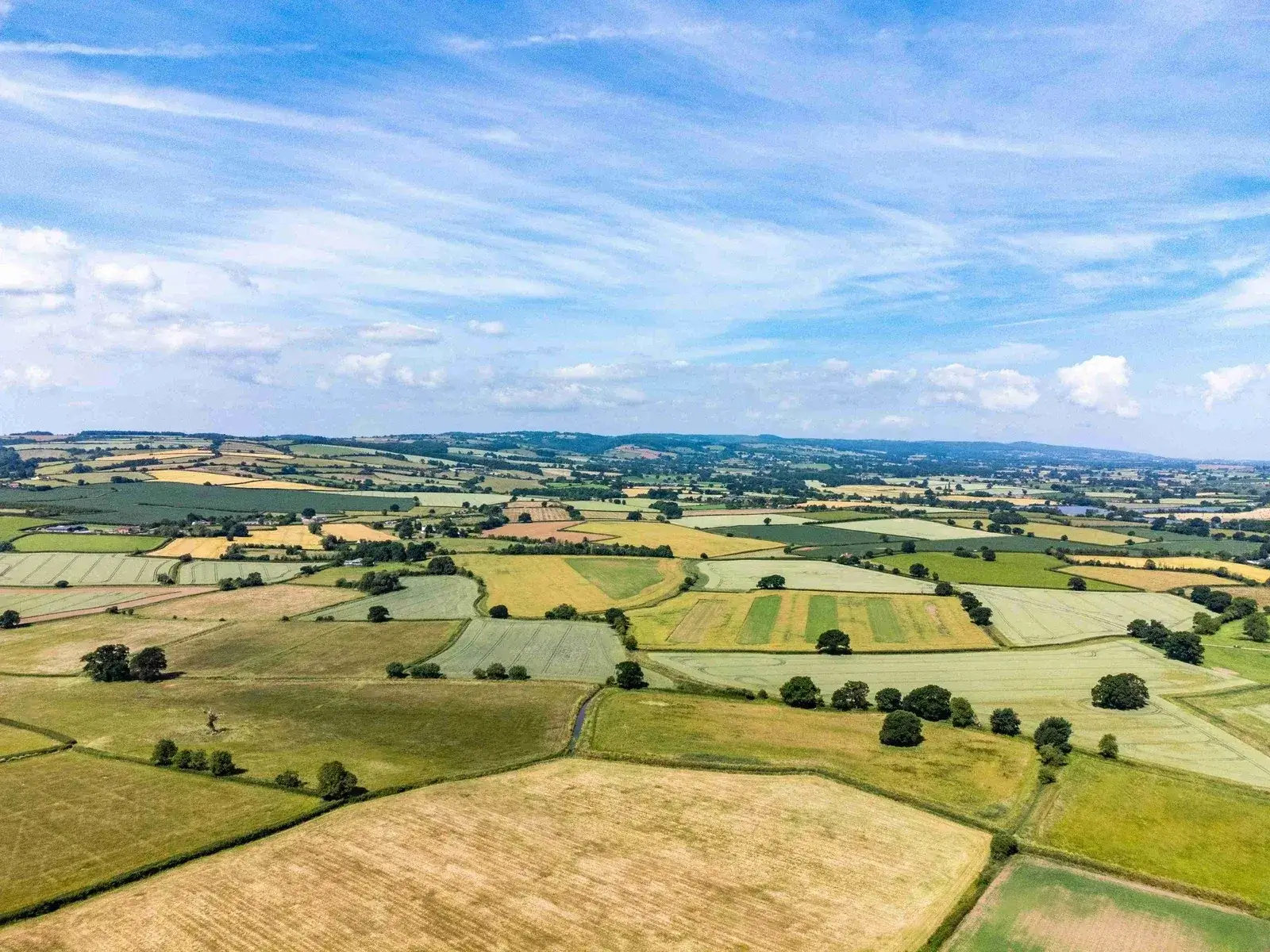
Maximising the Value of Farmland Background

Maximising the Value of Farmland

How Farmers Can Unlock More Value from Land

Farmland value is not always limited to its existing agricultural use. A field, paddock, yard or wider holding may have a much higher value where there is a realistic route to future housing, employment, commercial, mixed-use or strategic development.

Maximising value usually depends on understanding planning policy, Local Plan opportunities, access, services, environmental constraints, market demand and the most suitable route to promote or sell the land.

For many farmers, the key question is not simply what the land is worth today, but whether a carefully managed planning strategy could unlock hope value, strategic land value or full development value over time.

Value My Land can review your farmland, identify planning and development potential, and explain the practical steps available to help maximise its value.

Get Your Free Land Valuation

Find out how much your farmland could be worth

How Farmers Can Unlock More Value from Land

Maximising the value of farmland starts with understanding that land can have more than one value. There is the agricultural value based on its current farming use, the market value if sold as bare land, the hope value where buyers believe planning permission may be possible, and the development value where land can be brought forward for housing, employment or other forms of development.

The highest value is rarely achieved by selling without first understanding the planning position. A site on the edge of a village, close to a town, near existing roads, services and housing, or within an area where the council needs more land for future growth may be worth significantly more than land with no planning prospects.

Value My Land helps farmers review these issues before major decisions are made. We look at the location, planning policy, Local Plan status, access, constraints, development market and likely route to value so that landowners can make informed decisions about whether to hold, promote, sell or explore a structured agreement.


Key Factors That Influence Farmland Value

Location and Settlement Relationship

Land adjoining or close to existing towns and villages may have stronger development prospects than isolated countryside land. Councils often consider how sites relate to settlement boundaries, existing services and the pattern of growth.

We can assess whether your farmland forms a logical extension to an existing settlement or whether only part of the holding may be suitable for promotion.

Planning Policy and Local Plans

A land value strategy should consider the adopted Local Plan, emerging Local Plan, housing land supply, site allocation process, settlement hierarchy and whether a Call for Sites or land availability assessment is open.

We can identify whether your land should be promoted through the Local Plan, submitted to a Call for Sites, assessed for allocation or considered for a planning application.

Access, Highways and Infrastructure

Even a well-located farm site can be limited by access, visibility splays, highway capacity, footway connections, utilities, drainage, easements or ransom strips.

We can help identify early technical issues so that farmers understand whether constraints are likely to be manageable before committing to expensive reports.

Agricultural Value vs Development Value

Agricultural land values can be very different from residential or commercial development land values. A small developable parcel may sometimes create more value than a larger area kept solely in agricultural use.

We can help farmers understand the difference between existing use value, hope value and potential development value before agreeing any sale terms.

Constraints and Mitigation

Flood risk, ecology, landscape sensitivity, heritage, trees, public rights of way, ground conditions, minerals safeguarding and Green Belt or Grey Belt policy may all affect land value.

We can review constraints and consider whether mitigation, careful site selection or a reduced development area could still unlock value.

The Right Commercial Route

A farmer may sell unconditionally, seek an option agreement, enter a promotion agreement, wait for a Local Plan review or pursue planning first. Each route carries different risks and rewards.

We can explain the options and, where suitable, help promote land at no upfront planning cost to the landowner.

Why Maximising Farmland Value Matters

For many farming families, land is the largest asset they own. Decisions about selling, promoting or retaining farmland can affect succession planning, retirement, reinvestment in the agricultural business, diversification, debt reduction and long-term family wealth.

Selling too early, selling to the wrong party, failing to protect future uplift, or missing a Local Plan opportunity can mean a farmer does not receive the full benefit of their land’s potential. A structured approach can help avoid undervaluing land that may be suitable for development now or in the future.

Value My Land can provide a free initial view of whether your farmland appears to have development potential and whether a more detailed promotion or valuation strategy may be worthwhile.

Planning Progress Can Increase Land Value

Local Plan promotion
Call for Sites submissions
Development potential assessment
Planning application strategy
Developer interest
Promotion agreement advice
Strategic review before selling farmland

Practical Ways to Increase Farmland Value

There is no single route that suits every farm. The best strategy depends on timing, planning risk, appetite for cost, family objectives and the strength of the development opportunity. Value My Land can help identify which routes may be relevant to your land.

1. Understand the Baseline Value

Before exploring development, farmers should understand the existing use value of the land. This provides a baseline against which potential uplift can be measured.

We can help compare agricultural value with possible hope value or development value so that any future negotiation starts from a more informed position.

2. Identify the Most Suitable Parcel

It is often not necessary to promote an entire farm. The best opportunity may be a frontage field, land beside an existing settlement, a redundant yard, land near services or a parcel that can be accessed without disturbing the main farming operation.

We can help consider which part of the holding may offer the best balance between development potential and retained agricultural use.

3. Use the Local Plan Process

Many strategic land opportunities are created through Local Plan reviews, site allocation processes, settlement boundary reviews and land availability assessments such as HELAA, SHELAA or SHLAA work.

We can monitor Local Plan opportunities and help prepare submissions that explain why land is suitable, available and achievable for future development.

4. Consider Planning Permission

Some sites may be suitable for an outline or full planning application, particularly where policy support exists, housing supply is weak, constraints are manageable or the site forms a logical infill or edge-of-settlement opportunity.

We can help assess whether an application route may be realistic or whether the land is better promoted through a longer-term planning strategy.

5. Protect Future Uplift

Where land is sold before planning permission is secured, farmers may need to consider overage, clawback, uplift provisions, title restrictions or other safeguards to protect future value.

We can help landowners understand when specialist legal and valuation advice may be needed before agreeing heads of terms.

6. Choose a Promotion Strategy

Land promotion can allow farmers to pursue planning value without funding the planning process themselves. The promoter typically funds the planning work and is paid only if the land is successfully sold following planning success.

Where appropriate, we can discuss a promotion route that aims to maximise value while reducing upfront cost and planning risk for the landowner.

What Affects the Development Value of Farmland?

Development value is driven by more than acreage. The strongest sites usually combine planning support, sustainable location, deliverable access, manageable constraints and genuine market demand. Value My Land can review the main value drivers before you decide whether to sell or promote.

Housing Need

Where an authority needs more housing land, suitable farmland may become more attractive for allocation or planning.

Settlement Boundaries

Land next to or near a settlement boundary may have a clearer planning argument than land in open countryside.

Access and Visibility

Safe highway access can be essential. Poor access can reduce value or require additional land and works.

Utilities and Drainage

Water, foul drainage, electricity, surface water management and capacity can influence development cost and land value.

Environmental Constraints

Ecology, trees, landscape, heritage, flood risk and public rights of way can shape the developable area.

Market Demand

Developer appetite, local sales values, affordable housing policy and abnormal costs all affect what a buyer may pay.

Should Farmers Sell Now or Promote First?

A quick sale can provide certainty, but it may not produce the best value if the land has realistic planning potential. Promoting land first can take longer, but it may create a stronger market position and allow the land to be sold with planning status, allocation support or a clearer development case.

Immediate Sale

May suit land with limited planning prospects or where certainty and speed matter more than future uplift.

Promote First

May suit land with credible development potential where planning work could significantly increase value.

Retain and Monitor

May suit land that is not ready now but could become more valuable through a future Local Plan review.

Value My Land can help farmers compare these routes and understand whether further investigation is justified before entering negotiations with developers, agents or neighbouring landowners.

How Value My Land Can Help

Value My Land helps farmers understand whether their land has development potential and what practical steps may be available to maximise value. We can provide an initial review before you spend money on consultants, commit to a sale, or sign an agreement.

We can review planning policy, assess site constraints, consider Local Plan opportunities, advise on possible planning applications, and explain whether land promotion may be suitable.

Where appropriate, land promotion can allow a site to be promoted through the planning system without the farmer funding all planning costs upfront. If the promotion route is not suitable, we can still help you understand the strengths and weaknesses of the opportunity.

How We Help Farmers Maximise Land Value

1Free initial farmland value and planning review
2Development potential assessment for fields, yards and wider holdings
3Local Plan, Call for Sites, HELAA, SHELAA and SHLAA advice
4Planning application and land promotion strategy
5Advice on maximising value before selling farmland

Frequently Asked Questions

Farmers can maximise land value by understanding the planning position, identifying developable parcels, considering Local Plan promotion, assessing constraints, protecting future uplift and choosing the right commercial route before selling.
In many cases, yes. Planning permission can significantly increase value, although the final figure depends on location, development type, market demand, affordable housing requirements, infrastructure costs and site constraints.
Yes. Many opportunities involve only part of a farm, such as a field adjoining a village, land near a settlement boundary, redundant buildings, a yard, paddock or land with good highway access.
Hope value is the additional value a buyer may attribute to land because there is a possibility, but not certainty, that planning permission could be obtained in the future.
It depends on your objectives, timescale, risk appetite and the strength of the planning opportunity. Selling after planning success may produce more value, but it can take longer and require investment unless a promotion agreement is used.
Yes. Value My Land can provide a free initial review so you have a clearer understanding of potential value, planning prospects and possible routes before entering discussions with buyers, developers or agents.
Under a typical promotion agreement, the promoter funds and manages the planning process. If the promotion is unsuccessful, the landowner would not usually be required to reimburse those planning costs, subject to the agreed terms.
A land postcode, approximate acreage, ownership details, known access points, any previous planning history and a simple plan or title information can all help. However, Value My Land can usually start with basic location and size information.

Free Farmland Value Review

Value My Land provides a free initial review of your farmland, planning prospects and potential development value.

Before you sell, agree heads of terms or assume your land is only worth its agricultural value, find out whether planning potential could create a stronger outcome.

Find Out What Your Farmland Could Be Worth

A clear understanding of planning policy, development potential and land value could be the first step towards unlocking the full potential of your farmland. Contact Value My Land today for a free initial review.

Contact us today for a free initial farmland review

A clear understanding of planning policy, development potential and land value could be the first step towards unlocking the full potential of your farmland.

Free Initial Land Review

Contact Information

Office

13 Ensign Business Centre
Westwood Way
Coventry
CV4 8JA