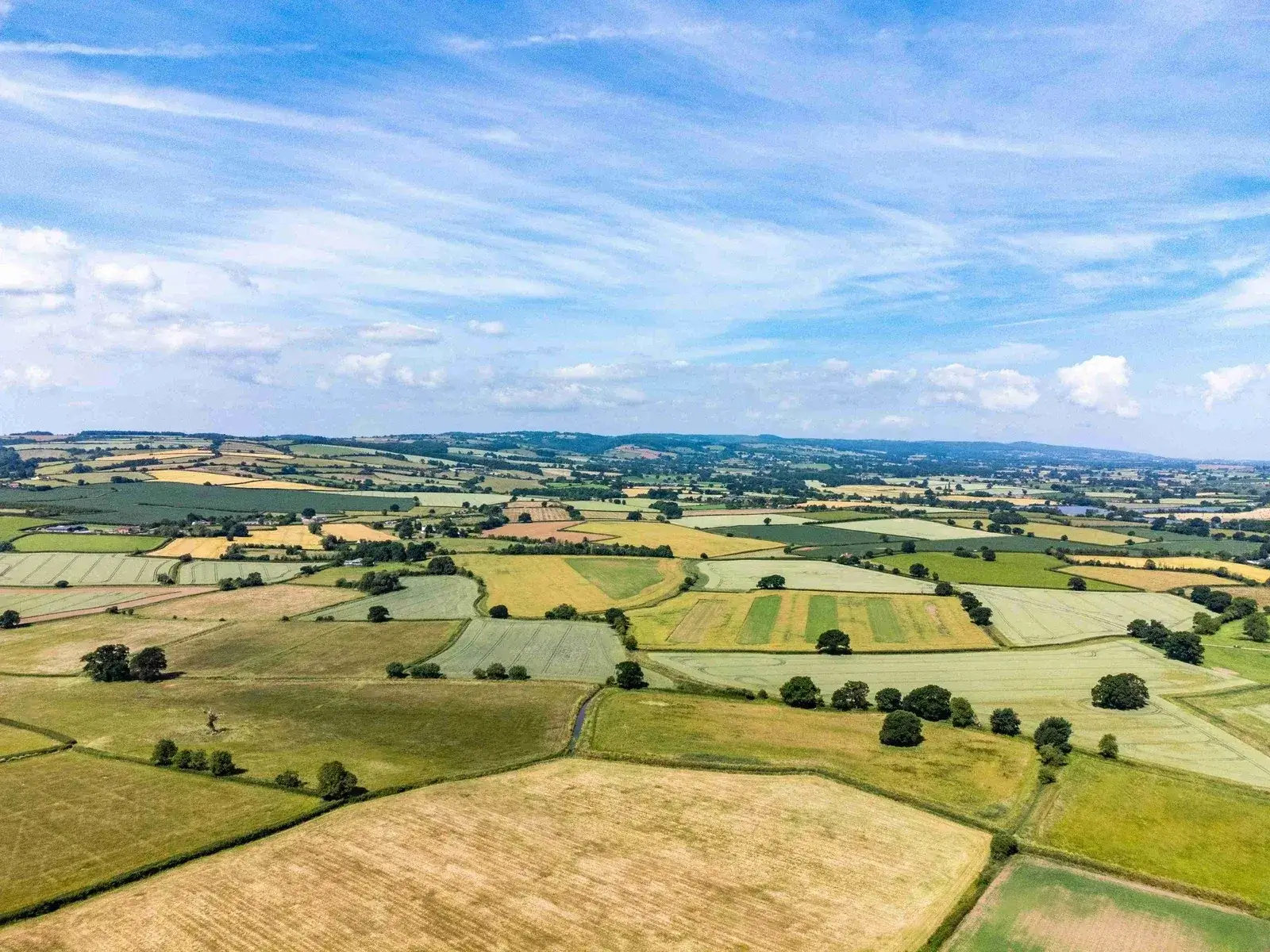
Land Development Potential Background

Farm Diversification Planning Guide

Planning opportunities for UK farms

Farm diversification can help farmers create new income streams, make better use of existing land, convert redundant buildings and improve the long-term resilience of the farming business.

Projects such as farm shops, rural tourism, glamping, holiday accommodation, storage, workshops, renewable energy, equestrian facilities and mixed-use development can all raise planning, access, design, traffic and environmental issues.

Before investing in surveys, architects or construction costs, it is important to understand whether the proposal is likely to be acceptable in planning terms and whether there may be a higher-value strategic land opportunity.

Value My Land can help farmers review diversification ideas, assess planning constraints, compare alternative uses and identify whether part of the farm may have wider development or land promotion potential.

Get a free, no-obligation farmland review from Value My Land before committing to a diversification strategy.

Get Your Free Land Valuation

Find out how much your farmland could be worth

What Is Farm Diversification?

Farm diversification means using agricultural land, farm buildings, yards or rural assets for new commercial, leisure, tourism, energy, storage or development-related uses. For many farmers, diversification is a way to create additional income alongside the core farming operation while making better use of underused land or buildings.

Common examples include farm shops, cafes, rural workspace, holiday lets, glamping pods, caravan and camping sites, equestrian facilities, wedding venues, renewable energy schemes, battery storage, commercial storage, barn conversions and small-scale rural business uses. Some schemes are modest and farm-related, while others can become significant planning projects.

Value My Land can help farmers take a step back and assess the whole farm before one route is pursued. In some cases, a diversification project may be the right approach. In others, part of the farm may have stronger development potential through a Local Plan, planning application or promotion agreement.

Important farm diversification opportunities include:

Farm Shops and Cafes

Farm shops, cafes and local produce outlets can support rural businesses, but planning issues often include highway access, parking, opening hours, signage, deliveries, landscape impact and whether the retail use remains connected to the farm. Value My Land can help assess whether the location and access arrangements are likely to support a planning case.

Holiday Lets and Barn Conversions

Converting redundant barns or farm buildings into holiday accommodation can create a valuable income stream. Councils will usually consider building condition, heritage, access, landscape, ecology, drainage and the relationship with nearby homes. Value My Land can review whether a conversion route appears realistic or whether another use may create better value.

Glamping, Camping and Rural Tourism

Glamping pods, lodges, campsites and caravan pitches can be attractive, particularly where a farm has strong landscape, leisure or visitor appeal. Planning considerations include visual impact, access, ecology, noise, lighting, waste, drainage and seasonal use. Value My Land can help farmers understand whether the land is likely to be suitable before money is spent on detailed proposals.

Renewable Energy and Battery Storage

Solar, battery storage and other renewable energy schemes can create long-term income, but they depend on grid connection, landscape sensitivity, agricultural land quality, access and planning policy. Value My Land can help farmers consider whether energy proposals may conflict with, or complement, longer-term development potential.

Storage, Workshops and Rural Employment

Existing yards and buildings may be suitable for storage, workshops, light industrial or rural business space. However, traffic movements, HGV access, noise, operating hours and the character of the countryside can be important. Value My Land can help assess whether the proposal is likely to be acceptable and whether employment land demand could increase value.

Residential or Mixed-Use Potential

Some farms have land or buildings that may be suitable for residential, retirement, affordable housing, employment or mixed-use development. Value My Land can help farmers identify whether diversification is the best route or whether part of the holding should be reviewed for wider development value.

Planning Permission for Farm Diversification

Not every farm diversification idea needs the same planning approach. Some minor changes may fall within permitted development rights, but many projects require planning permission, prior approval or a full planning application. The right route depends on the proposed use, the building, the land, the location and the likely planning impacts.

Permitted Development and Prior Approval

Some agricultural buildings or land uses may benefit from permitted development rights or prior approval routes. These can be helpful, but they are not automatic and often include strict limits, conditions and exclusions.

Value My Land can help farmers identify whether a proposal should be checked against permitted development rules before moving to a full planning strategy.

Full Planning Applications

Larger diversification projects often need a full planning application supported by drawings, planning statements, transport information, ecology surveys, drainage details and other evidence.

Value My Land can help farmers understand what evidence may be required and whether the planning risk is proportionate to the likely value created.

What Councils Consider

Councils normally assess farm diversification proposals against local planning policy, national planning policy, countryside protection, highway safety, landscape impact, ecology, flood risk, heritage, noise, amenity and economic benefits.

A strong proposal should explain why the use is appropriate for the farm, how it supports the rural economy, how impacts will be managed and why the site is suitable. Value My Land can help farmers frame the planning argument and identify the main risks before an application is submitted.

Typical Planning Issues

Access and visibility
Traffic and parking
Landscape impact
Ecology and biodiversity
Heritage and listed buildings
Noise and lighting
Drainage and flood risk
Planning policy support

Why Diversification Matters for Farmland Value

Farmland can have more than one type of value. A diversification project may create operational income, improve the value of farm buildings or support the wider farming business. However, part of the same farm may also have hope value, strategic land value or development value.

For farmers, the most important step is understanding whether the proposed diversification is the best value route. Spending money on a low-value or high-risk planning application may not be sensible if a different parcel has stronger development prospects.

Value My Land can help compare options, including diversification, land promotion, Local Plan submissions, development potential assessments and possible sale strategies.

The right planning strategy can protect your position and help maximise farmland value.

Diversification review
Planning risk assessment
Development potential review
Land promotion advice

Diversification or Development Potential?

A farm diversification scheme may be the right route where the aim is income generation and long-term farm business resilience. However, where land is close to a settlement, has road frontage, lies near services or is in an area with housing or employment land pressure, a wider development strategy may be more valuable.

Short-Term Income

Farm shops, tourism, storage and renewable energy may generate recurring income. Value My Land can help assess whether the proposal is likely to add value without harming future land opportunities.

Planning Uplift

Planning permission can increase the value of buildings or land. Value My Land can help identify whether the planning route is proportionate to the likely uplift.

Strategic Land Value

Some farms may have longer-term residential or mixed-use development potential. Value My Land can help decide whether land promotion or Local Plan activity should be considered.

How Value My Land Helps Farmers Diversify

Value My Land helps farmers understand the planning and development potential of their land before important decisions are made. We can assess the site, review planning policy, consider constraints, identify Local Plan opportunities and advise whether diversification, land promotion or a planning application may be suitable.

Where appropriate, we can also help farmers explore routes that avoid upfront planning risk, including land promotion arrangements where planning work is funded and managed by the promoter.

How We Help Farmers Maximise Land Value

1Free initial farmland and diversification review
2Planning policy, access and constraints assessment
3Review of development value and alternative uses
4Advice on applications, Local Plans or promotion agreements
5Guidance on maximising farmland value before committing costs
6Support in comparing diversification with development routes
Farmland planning resources

Related Guides

Explore our practical guides for farmers and rural landowners considering diversification, building conversion or development. Learn how planning permission applies to agricultural land and buildings, whether part of a farm may be developed, and which planning, access and site factors can influence the value and viability of a diversification project.

Can I Convert Farm Buildings?

Understand the planning routes for converting agricultural buildings to residential, commercial or other uses.

Click here

Can I Develop Part of My Farm?

Explore whether a field, farmyard or group of buildings could support development while the wider farm remains in use.

Click here

Can Agricultural Land Obtain Planning Permission?

Learn when agricultural land may secure planning permission and which policy and technical evidence is normally required.

Click here

How Do Farmers Obtain Planning Permission?

Review the main routes through permitted development, prior approval, planning applications and Local Plan promotion.

Click here

Building Houses on Agricultural Land

Understand the planning policy, site suitability and technical considerations involved in proposing housing on agricultural land.

Click here

Is My Farm Suitable for Development?

Assess the location, access, constraints and planning-policy factors that determine whether a farm is suitable.

Click here

Agricultural Land Development Potential

Discover which site, policy and market factors may give agricultural land realistic development potential.

Click here

Agricultural Land Value Guide

Understand the principal factors affecting agricultural land value, including use, quality, location, access and planning prospects.

Click here

Maximising the Value of Farmland

Consider how planning, diversification and careful land strategy may help protect and increase a farm’s future value.

Click here

Frequently Asked Questions

Farm diversification is where a farmer uses land, buildings or rural assets for new income-generating uses such as tourism, farm shops, storage, renewable energy, events, accommodation or commercial workspace.
Many do. Some proposals may fall under permitted development or prior approval, but larger projects often require full planning permission. It depends on the use, scale, location and impact.
Yes. Value My Land can provide a free initial assessment of your farmland, including planning potential, diversification opportunities and possible development value.
It can. New uses, leases, access arrangements or infrastructure may affect how land can be brought forward later. Farmers should understand the wider land value position before committing to a long-term diversification project.
Not always. Diversification can create income, while development land can create capital value. The best route depends on planning prospects, timescale, risk, family objectives and the value of the land.
Sometimes. The planning route depends on the building, its condition, location, access, design, previous use and any permitted development rights or local planning policies that apply.
It is usually sensible to obtain an initial planning and value review first. Value My Land can help identify whether the proposal appears realistic and whether another route may create greater value.
In some cases it may demonstrate economic activity, access improvements or reuse of buildings. In other cases it may create constraints. This is why the wider farm strategy should be reviewed first.

Free Farm Diversification and Land Value Review

Value My Land can review your farmland and advise whether there may be a diversification, planning, promotion or development value opportunity.

Farm Diversification Planning Guide

Find out whether your farmland could support a diversification project, planning application or higher-value development strategy.

Contact us today for a free initial review

Understanding your farm’s planning and development potential could be the first step towards unlocking its future value.

Free Initial Farm Review

Contact Information

Office

13 Ensign Business Centre
Westwood Way
Coventry
CV4 8JA