
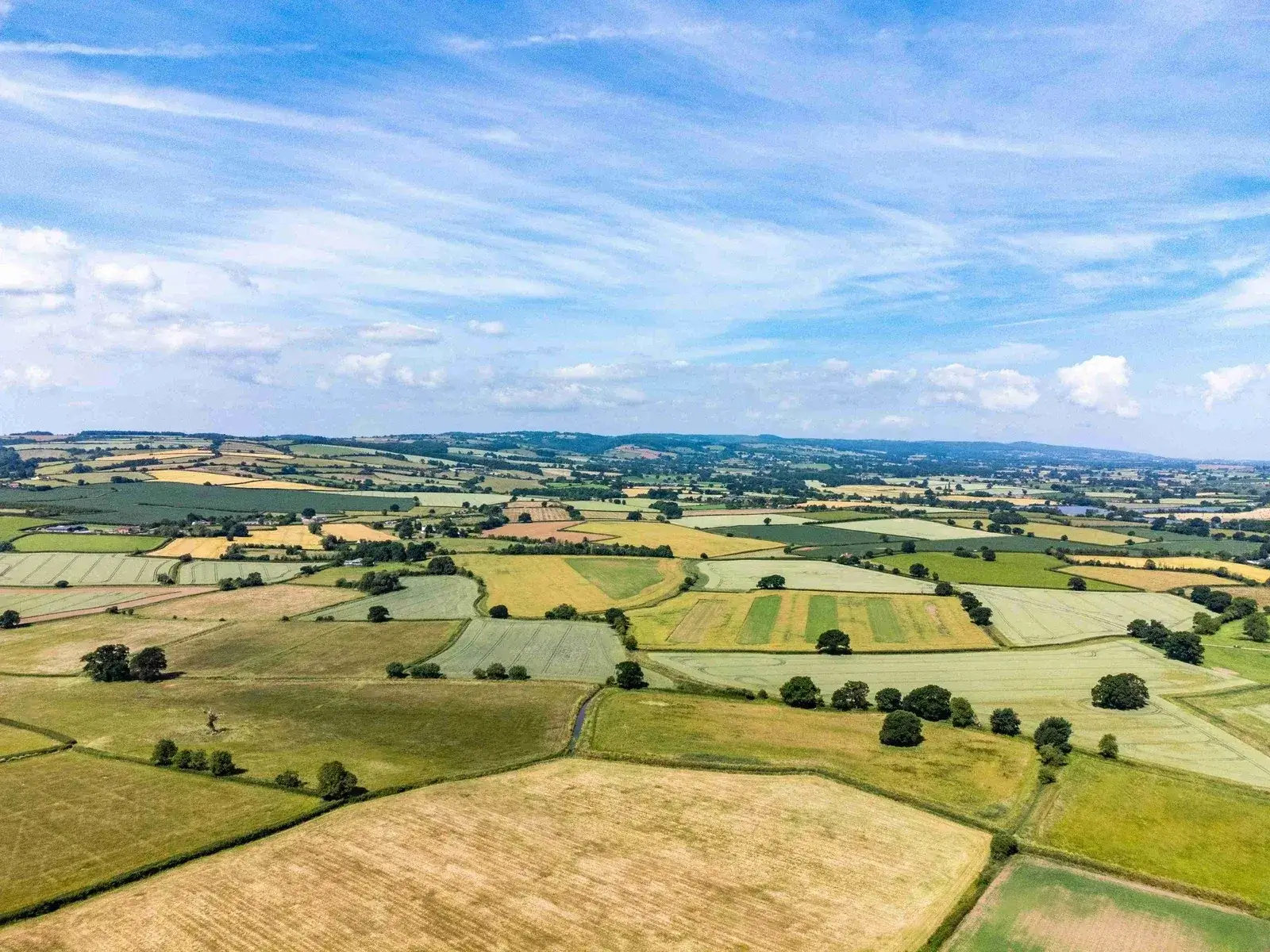
East Midlands development land background

How Much Is My Land Worth in the East Midlands?

Own Land in the East Midlands? Discover What Your Land Could Be Worth Today

Many landowners assume their land is only worth agricultural, equestrian or amenity value. However, land that is suitable for future residential, commercial or mixed-use development can be worth many times more than its existing use value.

At Value My Land, we help landowners across the East Midlands understand whether their land could have development potential. Whether you own land near Derby, Nottingham, Leicester, Lincoln, Northampton, Mansfield, Loughborough, Chesterfield or one of the region's many market towns and villages, our team can assess whether your site may be suitable for future planning promotion.

Our initial assessment is completely free and comes with no obligation.

Get Your Quick, Free & Easy Land Valuation TODAY

Do You Own Land in the East Midlands? Discover What Your Land Could Be Worth

Can My Land Be Developed in the East Midlands?

One of the most common questions we receive is "How do I know if my land is suitable for development?" There is no single factor that determines whether land can be developed. However, several characteristics can significantly improve its prospects.


Key factors that can increase development potential for land in the East Midlands

Location

Land adjoining established settlements across Derbyshire, Leicestershire, Lincolnshire, Northamptonshire, Nottinghamshire and Rutland is often viewed more favourably than isolated countryside locations.

Access

Sites with realistic access to the public highway, public transport and existing services are generally more attractive to developers and planning authorities.

Sustainability

Land close to schools, shops, employment areas, railway stations, bus routes and town centres can benefit from stronger sustainability credentials.

Local Housing Need

Housing need, employment growth and infrastructure planning can all create pressure for new allocations and development opportunities.

Planning Policy

Local Plan reviews, Call for Sites exercises, housing land supply issues and settlement boundary changes can all create opportunities for previously overlooked land.

How Much Could Development Land Be Worth in the East Midlands?

This is often the first question landowners ask. The reality is that development land values vary considerably depending on location, planning status and market conditions.

The East Midlands includes major cities, market towns, commuter settlements, employment corridors, rural villages and strategic transport routes including the M1, A1, A46, A50, A52, A14 and East Midlands Airport. Land with genuine development potential can therefore command values significantly above agricultural, paddock, amenity or equestrian use.

While every site is different, obtaining planning permission can dramatically increase land value.

The key is understanding whether your land has realistic development potential before making decisions about selling.

That is exactly what our free assessment aims to establish.

The latest land value estimates for East Midlands, published by the Ministry of Housing, Communities and Local Government (MHCLG), indicate that residential development land with planning permission could be worth between £300,000 and £3.6 million per acre, depending on the density of the development. These figures highlight the significant uplift in value that can be achieved when suitable land secures planning consent.

Residential development land values can vary significantly across East Midlands depending on location, planning status, density, infrastructure costs, abnormal development costs and market demand. However, land with planning permission for housing can be worth substantially more than land used for agriculture, grazing, equestrian or amenity purposes. These potential value differences highlight why it is important to obtain a professional assessment before deciding whether to sell or promote land.

Types of Land We Assess in the East Midlands

We regularly review a wide range of land types including:

1

Agricultural Land: farmland near existing towns and villages can often present long-term planning opportunities.

2

Green Belt and Grey Belt Land: parts of the region are affected by Green Belt policy, particularly around Nottingham, Derby and Leicester.

3

Paddocks and Equestrian Land: small and medium-sized parcels on the edge of settlements can sometimes offer development potential.

4

Brownfield Land: previously developed land can benefit from planning policy support where suitable redevelopment opportunities exist.

5

Strategic Land: larger sites near growth corridors, employment areas and expanding settlements may be suitable for promotion through Local Plan reviews.

Why Landowners Choose Value My Land

At Value My Land, we help East Midlands landowners understand whether their land may have development potential.

  • We provide honest feedback regarding your land's prospects
  • Our initial review is completely free
  • We understand how Local Plans influence land values
  • We focus on maximising land value rather than short-term solutions
  • Many successful development sites require patience and careful promotion

Free Initial Land Review

If you would like an initial assessment of your land, simply send us the location of your site. You can provide:

  • A postcode
  • A Google Maps pin
  • A what3words reference
  • A brief description of the site location

We can then undertake an initial review of its planning potential.

Get Your Free Review

Frequently Asked Questions

How do I know if my land is suitable for development?

Factors such as location, access, planning policy, Local Plan status, environmental constraints and local housing need can all influence development potential.

Can countryside or edge-of-settlement land in the East Midlands have development potential?

Yes, in some circumstances. Edge-of-settlement sites may become suitable through Local Plan reviews, Call for Sites exercises, settlement boundary reviews or planning applications where policy support exists.

How much is my land worth in the East Midlands?

The value depends on location, planning status, density, development costs, constraints and market demand. Land with planning permission is typically worth significantly more than land without consent.

Do I need planning permission before selling my land?

Not necessarily. However, securing planning permission or promoting land through the Local Plan process can often increase the value achieved when selling.

What does a land promotion company do?

A land promotion company works to identify development potential, prepare evidence, promote land through the planning system and maximise land value before marketing the site to developers.

Why the East Midlands is an Attractive Area for Development

The East Midlands occupies a strategically important position in England, including Derbyshire, Leicestershire, Lincolnshire, Northamptonshire, Nottinghamshire and Rutland. It contains major cities, large towns, employment corridors, rural communities, market towns, logistics locations, university centres and important transport connections.

As demand for new homes, employment land, logistics space, infrastructure and mixed-use development continues, suitable land across the region may remain important where it is deliverable, sustainable and capable of being promoted through the planning system.

This creates opportunities for landowners whose land is located:

  • Adjacent to existing towns and villages
  • Close to local services, schools and employment areas
  • Near public transport and strategic road connections
  • Within areas being reviewed through emerging Local Plans

Land that may appear unlikely to be developed today can become significantly more valuable if it is promoted successfully through the planning system.

We Assess Land Across the East Midlands

We review land across the East Midlands, including agricultural land, paddocks, brownfield sites, Green Belt and Grey Belt opportunities, commercial land, edge-of-settlement land and larger strategic land holdings.

Here Are Just Some of the Towns and Cities We Cover in and Around the East Midlands


  • Derby
  • Nottingham
  • Leicester
  • Lincoln
  • Northampton
  • Mansfield
  • Chesterfield
  • Loughborough
  • Kettering
  • Wellingborough
  • Corby
  • Grantham
  • Boston
  • Skegness
  • Spalding
  • Newark-on-Trent
  • Worksop
  • Retford
  • Melton Mowbray
  • Market Harborough
  • Hinckley
  • Coalville
  • Ashby-de-la-Zouch
  • Matlock
  • Buxton
  • Bakewell
  • Oakham
  • Uppingham
  • Daventry
  • Towcester
  • Brackley
  • Rushden
  • Oundle
  • Beeston
  • West Bridgford
  • Arnold
  • Hucknall
  • Sutton-in-Ashfield
  • Long Eaton
  • Ilkeston
  • Swadlincote
  • Sleaford
  • Stamford
  • Gainsborough
  • Louth

We also assess land close to the East Midlands boundary and within neighbouring planning authority areas where there may be cross-boundary housing, employment or infrastructure pressures.

East Midlands Local Plans and Development Potential

The East Midlands does not have a single region-wide Local Plan for housing, commercial or mixed-use development. Instead, planning policy is prepared by the relevant local planning authorities across Derbyshire, Leicestershire, Lincolnshire, Northamptonshire, Nottinghamshire and Rutland, together with the Peak District National Park Authority where land falls within the National Park. Each authority is responsible for preparing its own Local Plan, identifying housing and employment land requirements, allocating development sites and establishing planning policies that guide growth within its administrative area.

As a result, the progress of Local Plan reviews, site allocation exercises and planning policy updates varies significantly across the region. Landowners should monitor the position of the relevant local planning authority because emerging Local Plans, Call for Sites exercises, housing land supply evidence, settlement boundary reviews and consultation stages can all influence whether land may have development potential.

Amber Valley Borough Council

Amber Valley continues to rely on its existing development plan framework whilst progressing work on a new Local Plan. The emerging Amber Valley Local Plan has been prepared to guide development over a new plan period, with plan-making, evidence gathering, site assessment and examination work continuing through the mid-2020s. Landowners should monitor future consultation, examination and adoption stages because settlement boundaries, housing requirements and site allocations may affect land promotion opportunities across Belper, Ripley, Heanor, Alfreton and surrounding villages.

Bolsover District Council

Bolsover District Council adopted the Local Plan for Bolsover District in March 2020, providing the current planning framework for the period to 2033. The Council has continued monitoring delivery and reviewing evidence relating to housing, employment land and infrastructure. Future review work may influence land around Bolsover, Clowne, Shirebrook, South Normanton and nearby villages.

Chesterfield Borough Council

Chesterfield Borough Council adopted the Chesterfield Borough Local Plan 2018-2035 in July 2020. The plan provides the current framework for housing, employment, regeneration and town centre development. Ongoing monitoring and future review work will remain important for landowners around Chesterfield, Staveley, Brimington and the urban edge.

Derby City Council

Derby City Council adopted the Derby City Local Plan Part 1 Core Strategy in January 2017, covering the strategic planning framework to 2028. The Council continues to monitor housing delivery, employment land, regeneration needs and infrastructure requirements. Future plan review work may create opportunities for brownfield, edge-of-city and strategic urban extension sites.

Derbyshire Dales District Council

Derbyshire Dales District Council adopted the Derbyshire Dales Local Plan in December 2017. The plan guides development across Matlock, Ashbourne, Wirksworth, Bakewell and the rural parts of the district outside the Peak District National Park. Review work, housing need evidence and site assessment exercises remain important for landowners because much of the district is affected by landscape, heritage and settlement sustainability considerations.

Erewash Borough Council

Erewash Borough Council adopted the Erewash Core Strategy Review in March 2024, updating the strategic planning framework for the borough. The plan identifies growth requirements and strategic policies for locations including Ilkeston, Long Eaton, Sandiacre and surrounding settlements. Future monitoring, delivery and any further site allocation work should be followed closely by landowners.

High Peak Borough Council

High Peak Borough Council adopted the High Peak Local Plan in April 2016 for the period 2011-2031. The Council has been progressing work towards a new Local Plan to address future housing and employment needs, settlement strategy, landscape constraints and infrastructure requirements. This is particularly relevant for land near Buxton, Glossop, New Mills, Chapel-en-le-Frith and Whaley Bridge.

North East Derbyshire District Council

North East Derbyshire District Council adopted the North East Derbyshire Local Plan 2014-2034 in November 2021. The plan provides the current policy framework for towns and villages including Clay Cross, Dronfield, Eckington and Wingerworth. Monitoring and future review work may create opportunities where land is well located, deliverable and capable of supporting sustainable growth.

South Derbyshire District Council

South Derbyshire District Council adopted Local Plan Part 1 in June 2016 and Local Plan Part 2 in November 2017. The Council has been progressing a new Local Plan review to consider growth beyond the existing plan period, including housing, employment land, infrastructure and settlement strategy. This is important for landowners around Swadlincote, Melbourne, Hilton, Hatton and edge-of-settlement locations.

Blaby District Council

Blaby District Council adopted its Local Plan Core Strategy in February 2013 and the Delivery Development Plan Document in February 2019. The Council is preparing a new Local Plan to address future housing, employment and infrastructure needs. Emerging evidence, site assessments and future consultation stages may affect land across Blaby, Glenfield, Narborough, Countesthorpe, Whetstone and surrounding villages.

Charnwood Borough Council

Charnwood Borough Council is preparing a new Local Plan for the period to 2037. The emerging plan has progressed through examination and consultation stages during the mid-2020s. It will guide growth around Loughborough, Shepshed, Syston, Birstall, Quorn, Mountsorrel and other settlements, making it important for landowners to monitor adoption and implementation.

Harborough District Council

Harborough District Council adopted the Harborough Local Plan 2011-2031 in April 2019 and is preparing a new Local Plan to guide growth beyond the current plan period. Evidence gathering, housing and employment land assessment and future consultation stages may influence opportunities around Market Harborough, Lutterworth, Broughton Astley, Kibworth and the rural area.

Hinckley and Bosworth Borough Council

Hinckley and Bosworth Borough Council's adopted planning framework includes the Core Strategy, Site Allocations and Development Management policies. The Council has been progressing a new Local Plan to update housing requirements, employment needs, settlement hierarchy and allocations. Landowners should monitor future consultations affecting Hinckley, Earl Shilton, Barwell, Burbage, Market Bosworth and surrounding villages.

Leicester City Council

Leicester City Council adopted the Leicester Local Plan 2020-2036 in 2025, establishing the current planning framework for the city. The plan addresses housing, employment land, regeneration, infrastructure and development management. Although recently adopted, monitoring and future evidence updates may still affect redevelopment, urban intensification and edge-of-city opportunities.

Melton Borough Council

Melton Borough Council adopted the Melton Local Plan in October 2018. The plan guides development across Melton Mowbray, Bottesford, Asfordby and the wider rural borough. Monitoring, housing delivery, employment land supply and future review work will remain important for landowners considering longer-term promotion.

North West Leicestershire District Council

North West Leicestershire District Council adopted the North West Leicestershire Local Plan in November 2017 and has continued work on its review and replacement. Emerging plan-making will influence future growth around Coalville, Ashby-de-la-Zouch, Castle Donington, Measham, Ibstock and settlements connected to the East Midlands Airport and strategic employment corridors.

Oadby and Wigston Borough Council

Oadby and Wigston Borough Council adopted its Local Plan in April 2019. The borough is compact and urbanised, so future development opportunities are often influenced by brownfield potential, urban edge constraints, infrastructure capacity and cross-boundary housing pressures. Future monitoring and review work should be followed by landowners.

Boston Borough Council

Boston Borough Council forms part of the South East Lincolnshire Local Plan area. The South East Lincolnshire Local Plan was adopted in March 2019 for the period 2011-2036. Review work is relevant to landowners around Boston, Wyberton, Kirton, Fishtoft, Swineshead and nearby villages because flood risk, housing need and infrastructure capacity are important planning considerations.

City of Lincoln Council

City of Lincoln Council is part of the Central Lincolnshire Local Plan area. The Central Lincolnshire Local Plan was adopted in April 2023 and plans for growth to 2040. It guides development across Lincoln and its urban fringe, with future monitoring focused on housing delivery, regeneration, employment land, infrastructure and sustainable transport.

East Lindsey District Council

East Lindsey District Council adopted the East Lindsey Local Plan Core Strategy and Settlement Proposals Development Plan Documents on 18 July 2018, covering the period to 2031. The Council has been progressing Local Plan review work, with particular attention to coastal policy, flood risk, housing growth, employment needs and the role of settlements including Skegness, Louth, Horncastle, Mablethorpe and Alford.

North Kesteven District Council

North Kesteven District Council forms part of the Central Lincolnshire Local Plan area. The Central Lincolnshire Local Plan was adopted in April 2023 and covers the period to 2040. It is important for landowners around Sleaford, North Hykeham, Waddington, Heckington and villages where settlement hierarchy, housing allocations and infrastructure policies affect development potential.

South Holland District Council

South Holland District Council forms part of the South East Lincolnshire Local Plan area. The South East Lincolnshire Local Plan was adopted in March 2019 for the period 2011-2036. Future review work is relevant around Spalding, Holbeach, Long Sutton, Crowland, Donington and Sutton Bridge, particularly where flood risk, transport, employment land and housing growth are key issues.

South Kesteven District Council

South Kesteven District Council adopted the South Kesteven Local Plan in January 2020. The Council has been preparing a Local Plan review to extend and update the planning framework, including work on housing requirements, employment land, site allocations and infrastructure. This is important for landowners around Grantham, Stamford, Bourne, The Deepings and Market Deeping.

West Lindsey District Council

West Lindsey District Council is part of the Central Lincolnshire Local Plan area. The Central Lincolnshire Local Plan was adopted in April 2023 and plans for growth to 2040. It covers settlements including Gainsborough, Market Rasen, Caistor and villages, where future monitoring and delivery will influence opportunities for housing, employment and mixed-use development.

Ashfield District Council

Ashfield District Council has progressed a new Local Plan during the mid-2020s to guide development across Sutton-in-Ashfield, Kirkby-in-Ashfield, Hucknall and surrounding settlements. The emerging plan addresses housing, employment land, infrastructure, regeneration and settlement strategy, making it important for landowners to monitor adoption, allocations and any future review stages.

Bassetlaw District Council

Bassetlaw District Council adopted the Bassetlaw Local Plan 2020-2038 in May 2024. The plan provides the current planning framework for Worksop, Retford, Harworth and Bircotes, Tuxford and rural settlements. Following adoption, monitoring and delivery of allocated sites will be important, alongside any future review or supplementary planning work.

Broxtowe Borough Council

Broxtowe Borough Council's current planning framework includes the Greater Nottingham Aligned Core Strategy, adopted in 2014, and the Broxtowe Part 2 Local Plan, adopted in 2019. The Council is involved in the emerging Greater Nottingham Strategic Plan, which will help guide future growth across Broxtowe, including Beeston, Stapleford, Eastwood, Kimberley, Toton, Chilwell and surrounding areas.

Gedling Borough Council

Gedling Borough Council's current framework includes the Greater Nottingham Aligned Core Strategy, adopted in 2014, and the Gedling Local Planning Document, adopted in 2018. The emerging Greater Nottingham Strategic Plan will influence future housing and employment growth around Arnold, Carlton, Netherfield, Gedling, Calverton, Ravenshead and nearby villages.

Mansfield District Council

Mansfield District Council adopted the Mansfield District Local Plan 2013-2033 in September 2020. The plan guides development across Mansfield, Mansfield Woodhouse, Warsop and surrounding areas. Future monitoring and any plan review work may affect opportunities for regeneration, urban edge growth and employment land.

Newark and Sherwood District Council

Newark and Sherwood District Council's development plan includes the Core Strategy and Allocations and Development Management policies, with review work undertaken to update housing, employment and settlement policies. Landowners should monitor plan review and site assessment work affecting Newark-on-Trent, Southwell, Ollerton, Edwinstowe, Farnsfield and rural settlements.

Nottingham City Council

Nottingham City Council's planning framework includes the Greater Nottingham Aligned Core Strategy, adopted in 2014, and the Land and Planning Policies document, adopted in January 2020. The emerging Greater Nottingham Strategic Plan will inform future growth, regeneration and housing delivery across the city and its wider housing market area.

Rushcliffe Borough Council

Rushcliffe Borough Council's current framework includes Local Plan Part 1: Core Strategy, adopted in December 2014, and Local Plan Part 2: Land and Planning Policies, adopted in October 2019. The emerging Greater Nottingham Strategic Plan will influence future development around West Bridgford, Bingham, Radcliffe-on-Trent, Keyworth, Cotgrave and surrounding villages.

West Northamptonshire Council

West Northamptonshire Council relies on the West Northamptonshire Joint Core Strategy, adopted in December 2014, together with Part 2 Local Plans inherited from the former Daventry, Northampton and South Northamptonshire areas. A new West Northamptonshire Local Plan is being prepared to guide development to 2043. Regulation 18 consultation on the Draft Local Plan took place from 29 January to 27 March 2026, including associated Call for Sites and Local Green Space nomination opportunities.

North Northamptonshire Council

North Northamptonshire Council's current Local Plan includes the North Northamptonshire Joint Core Strategy, adopted in July 2016, together with supporting area-based plans for the former Corby, East Northamptonshire, Kettering and Wellingborough areas. The Council is preparing the North Northamptonshire Local Plan 2024-2045, which will provide a single strategic framework and review existing plans and allocations.

Rutland County Council

Rutland County Council adopted its Core Strategy in July 2011, alongside other adopted Local Plan documents. The Council is preparing a new Rutland Local Plan for the period 2021-2041. Regulation 19 consultation and submission work has progressed through the mid-2020s, with the emerging plan intended to replace the existing adopted framework and guide growth around Oakham, Uppingham, Stamford edges and rural settlements.

Peak District National Park Authority

The Peak District National Park Authority is the local planning authority for land within the National Park, including parts of Derbyshire and other adjoining counties. Its Core Strategy was adopted in 2011 and Development Management Policies were adopted in 2019. The Authority has been reviewing its Local Plan to address housing, landscape, heritage, climate and rural economy issues. This is important for landowners because National Park policy operates differently from district planning policy.

Local Plan reviews are particularly important for landowners because they help determine where future homes, employment land, infrastructure and growth should be directed. If your land is well located, available and capable of being delivered, it may have the potential to be promoted through the Local Plan process for future development. Submitting land through a Local Plan review is highly competitive, with councils often assessing hundreds of potential development sites. A professionally prepared submission can significantly improve the prospects of a site being positively considered.

At Value My Land, we undertake a detailed assessment of your land, identify its planning strengths and opportunities, review potential constraints, and prepare a robust evidence-based submission tailored to the relevant council's site assessment criteria. This helps ensure that decision-makers fully understand the merits of your land, increasing the likelihood that it is shortlisted, allocated for development, or identified as a preferred growth location. While no consultant can guarantee allocation, a professionally promoted site will typically have a far stronger chance of being selected than a site submitted without supporting evidence or strategic planning input.


How it Works

Step 1 - Free Assessment

We review the location, planning context and development potential of your land.

Step 2 - Detailed Appraisal

Where appropriate, we undertake a more comprehensive assessment to understand opportunities and constraints.

Step 3 - Planning Strategy

We identify the most suitable route to securing planning permission or promoting the land through the Local Plan process.

Step 4 - Promotion

The land is promoted through Local Plan reviews, Call for Sites submissions and planning applications where appropriate.

Step 5 - Sale to a Developer

Once planning permission is secured, the land can be marketed to developers, often resulting in significantly higher values.

Find Out Whether Your Land Has Development Potential

If you own land in the East Midlands and would like to understand its potential development value, we can help. Our team will undertake an initial review of your site and provide an honest assessment of its prospects.

Whether you own agricultural land, Green Belt land, paddocks, brownfield land or larger strategic holdings, understanding your options is the first step towards unlocking value.

Contact us today for a free initial review

Request your FREE, no-obligation land assessment today and discover whether your land could have development potential.

Free Initial Land Review

Contact Information

Office

13 Ensign Business Centre
Westwood Way
Coventry
CV4 8JA