
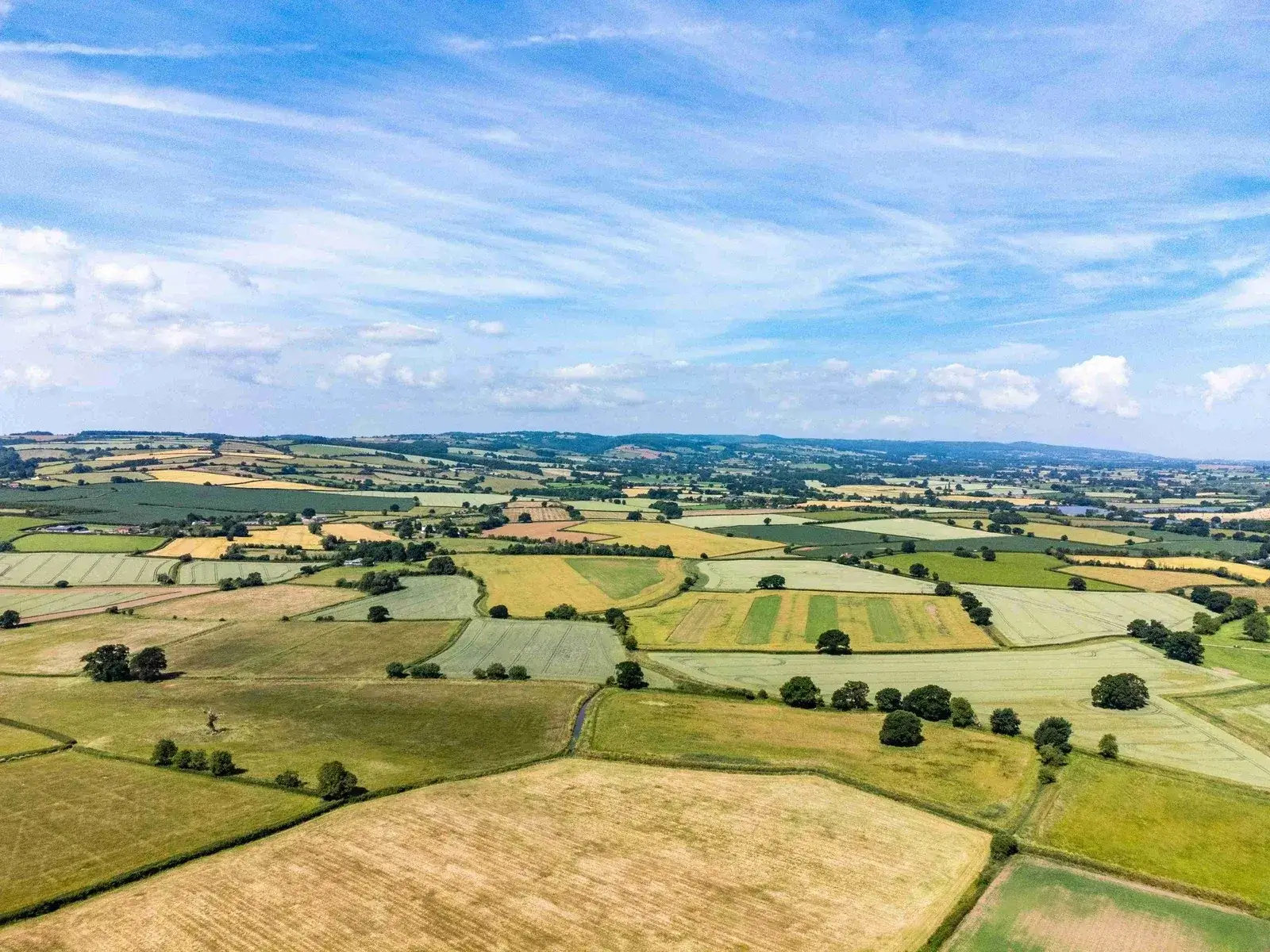
Why Does Heritage Matter When Assessing Development Land?
Heritage can influence whether development is acceptable in principle, how much land may be developed and how the layout, scale, appearance and landscaping of a proposal should respond to its historic context.
The planning system seeks to conserve heritage assets in a manner appropriate to their significance. This means that councils must understand why an asset is important before deciding whether a development proposal would preserve, enhance or harm its significance.
Heritage significance may arise from architectural design, historic associations, archaeological interest, craftsmanship, age, rarity, landscape relationships or communal value. The physical fabric of a building or monument may be important, but its surroundings and relationship with nearby land can also contribute to the way it is understood and appreciated.
Development can affect heritage directly by altering or removing historic fabric, disturbing archaeological remains or changing a conservation area. It can also cause indirect harm by changing important views, introducing buildings of an inappropriate scale or urbanising land that forms part of an asset's historic setting.
The extent of the constraint depends on the importance of the asset and the degree to which the site contributes to its significance. A field adjoining a listed farmhouse may form part of its historic agricultural setting, while another nearby parcel may have little or no meaningful relationship with the building.
The effect of development is therefore site-specific. Two sites located the same distance from a listed building may have very different development prospects because of topography, vegetation, intervening development, historic land use, visibility and the character of the surrounding landscape.
Early heritage assessment can help identify the areas where development would cause the least harm. It can also inform building heights, access positions, landscape buffers, retained views and the treatment of historic boundaries, trees, walls, lanes and other features.
Heritage considerations are particularly important when land is promoted through a Call for Sites, HELAA, SHLAA or Local Plan review. Councils need confidence that a site is genuinely suitable and that any effects on designated or non-designated heritage assets can be appropriately addressed.
Heritage should inform the development strategy from the outset. A heritage-led masterplan can direct development away from the most sensitive areas while using landscape, open space and high-quality design to create an appropriate relationship with the historic environment.
Heritage Assets That Can Influence Development Potential
Heritage assets include nationally designated assets, locally identified assets and archaeological remains that may not yet have been formally recorded. Each category can affect the planning and design of development land.
Listed Buildings
Listed buildings are nationally designated because of their special architectural or historic interest. Development may affect the building directly or alter the surroundings in which its significance is experienced.
Conservation Areas
Conservation areas are designated for their special architectural or historic interest. Development must respond to the character and appearance of the area, including its street pattern, buildings, spaces, views, trees and boundaries.
Scheduled Monuments
Scheduled monuments are nationally important archaeological sites or historic structures. Development affecting the monument or its setting may face substantial constraints and normally requires careful specialist assessment.
Archaeological Remains
Archaeological remains may survive below ground even where no building or monument is visible. Desk-based research, geophysical survey or trial trenching may be required to establish their presence, importance and condition.
Registered Parks and Gardens
Historic parks and gardens can include designed landscapes, avenues, lakes, views, woodland, buildings and estate features. Development within or near them may affect their historic layout, visual relationships and landscape character.
Registered Battlefields
Registered battlefields are nationally important historic landscapes. Their significance may depend on surviving terrain, views, archaeological evidence and the ability to understand the course of the historic event.
World Heritage Sites
World Heritage Sites are recognised for their outstanding universal value. Development within or close to a site may require detailed assessment of its effect on significance, setting, important views and the attributes supporting its international importance.
Locally Listed Heritage Assets
Local lists identify buildings, structures, landscapes or features valued for their local architectural, archaeological, historic or community interest. They are not nationally designated but remain material planning considerations.
Historic Landscape Character
Historic field patterns, lanes, hedgerows, ridge and furrow, estate landscapes and settlement relationships can contribute to local distinctiveness and may influence the form, scale and layout of development.
National Heritage Protection
What Are Nationally Designated Heritage Assets?
Nationally designated heritage assets are formally recognised because they possess special architectural, historic, archaeological or cultural importance. Their protection carries significant weight in planning decisions.
National designation provides formal recognition that an asset is of more than purely local importance. Examples include listed buildings, scheduled monuments, registered parks and gardens, registered battlefields and World Heritage Sites.
The level of importance varies between assets. Listed buildings are graded according to their significance, while scheduled monuments and World Heritage Sites may represent archaeological or cultural heritage of exceptional importance.
When a proposal affects a nationally designated asset, the planning authority must give substantial importance and weight to the conservation of that asset. The degree of harm must be clearly identified and justified against the public benefits of the proposal.
Harm can occur through physical alteration, demolition, development within the asset or changes to its setting. A proposal does not need to touch the asset itself to create a heritage effect.
The planning consequences can therefore extend beyond the designated boundary. Land outside a listed building, scheduled monument or registered landscape may still contribute to its significance through views, historic relationships, openness or landscape character.
Nationally Designated Assets Commonly Include
- Grade I, Grade II* and Grade II listed buildings
- Scheduled monuments
- Registered parks and gardens
- Registered battlefields
- World Heritage Sites
- Protected wreck sites
Local Heritage Importance
What Are Locally Listed Heritage Assets?
Locally listed heritage assets are buildings, structures, places, landscapes or features that are valued for their local architectural, archaeological, historic or community interest but are not included on a national designation list.
Local planning authorities may prepare a local heritage list to identify assets that make an important contribution to the character, history and identity of their area. These can include historic houses, schools, places of worship, farm buildings, industrial structures, memorials, walls, bridges, parks, designed landscapes and archaeological sites.
A locally listed asset does not receive the same statutory protection as a nationally listed building or scheduled monument. However, it is still a non-designated heritage asset and its conservation is a material consideration when a planning application is determined.
The planning authority will normally consider the significance of the asset, the scale of any harm and the merits of the proposed development. The effect may be direct, such as demolition or alteration, or indirect through changes to the asset's surroundings.
Local listing can influence development capacity and design even where the asset lies outside the application boundary. A locally important farmhouse, historic lane, parkland feature or group of buildings may require sensitive separation, retained views or a layout that responds to its historic character.
Not every non-designated heritage asset appears on a formal local list. Archaeological records, historic mapping, conservation area appraisals, neighbourhood plans and planning evidence may identify additional assets whose significance should be considered.
Historic Buildings
Buildings may be locally listed because of their age, design, materials, historic use, craftsmanship or contribution to local character.
Industrial Heritage
Mills, workshops, canals, railway structures, mines and other industrial features may be important to the history and identity of an area.
Historic Landscapes
Parks, gardens, estate landscapes, commons, historic field systems and important open spaces may be recognised for their local heritage value.
Community Heritage
Memorials, meeting halls, public houses, places of worship and other landmarks may hold strong historic or communal value for local residents.
Nationally Designated Assets vs Locally Listed Assets
Both categories can influence development but they differ in how they are identified, the level of protection they receive and the planning tests applied when harm is identified.
Nationally Designated Assets
- Formally designated because of national architectural, historic, archaeological or cultural importance.
- Include listed buildings, scheduled monuments, registered parks and gardens, battlefields and World Heritage Sites.
- Benefit from specific statutory duties or national planning policy protection.
- Harm generally attracts substantial weight in the planning balance.
- Major or total loss usually requires clear and convincing justification.
Locally Listed Assets
- Identified because of local architectural, historic, archaeological or community interest.
- May include buildings, structures, landscapes, parks, memorials and archaeological sites.
- Do not normally benefit from the same statutory protection as nationally designated assets.
- Remain material planning considerations as non-designated heritage assets.
- Harm is balanced against the scale of the effect and the significance of the asset.
Local listing does not mean that an asset is unimportant, and national designation does not automatically prevent development. In every case, the planning assessment should identify the asset's significance, explain how the site contributes to that significance and evaluate the precise nature and degree of harm.
Listed Building Significance
How Listed Buildings Can Affect Development
Listed buildings are protected because of their special architectural or historic interest. Development can affect the building itself, its curtilage or the setting in which its significance is understood and appreciated.
Grade I
Grade I buildings are of exceptional interest. Development affecting their significance or setting will normally require particularly careful justification and a high standard of design and assessment.
Grade II*
Grade II* buildings are particularly important buildings of more than special interest. Their architectural, historic and setting relationships can materially constrain nearby development.
Grade II
Grade II buildings are of special interest and form the largest category of listed buildings. Their significance and setting remain important planning considerations even where the proposed land lies outside the listed boundary.
Direct Effects
Direct effects can include demolition, extension, alteration, physical attachment, structural works or development within the listed building's curtilage. Separate listed building consent may be required in addition to planning permission.
Setting Effects
Setting effects can arise where new development changes important views, historic openness, landscape relationships, approaches or the ability to understand the building's former function and status.
Areas of Special Character
How Conservation Areas Can Influence Development
Conservation areas are designated because of their special architectural or historic interest. Their significance often arises from the combined character of buildings, streets, open spaces, trees, views, plot patterns and historic boundaries.
Development within a conservation area should preserve or enhance its character or appearance. This does not mean that all new development is prohibited. Contemporary or traditional design can both be acceptable where the scale, form, materials and layout respond positively to the area's special interest.
Land outside a conservation area can also affect its setting. Development on an approach road, nearby hillside, historic open space or adjoining field may change important views into or out of the designated area.
Conservation area appraisals and management plans can provide important evidence. They may identify significant buildings, views, spaces, boundaries, materials, trees and areas where change could preserve, enhance or harm local character.
A development proposal should therefore consider more than the conservation area boundary. It should examine the historic settlement pattern, the role of the site within its wider context and whether the proposed scale and layout would appear as a logical and sensitive extension.
Conservation Area Considerations
- Historic street and settlement patterns
- Building scale, form and materials
- Important views and landmarks
- Trees, walls, hedges and historic boundaries
- Open spaces and landscape relationships
- The setting and approaches to the conservation area
A conservation area designation does not create a uniform development constraint. Some parts may be highly sensitive, while other areas may accommodate carefully designed change that preserves or enhances the area's overall character and appearance.
Below-Ground Heritage
How Archaeology Can Influence Development Land
Archaeological remains may survive beneath fields, gardens, farmyards and previously developed land. Their presence, significance and condition can affect the layout, cost, programme and overall suitability of a development proposal.
Archaeology is not always visible from the surface. Historic settlements, field systems, roads, industrial activity, burials, ditches, foundations and artefacts may remain below ground even where the site appears undeveloped.
The first stage is normally to review the local Historic Environment Record, historic maps, aerial photographs, previous investigations and known archaeological sites in the surrounding area. This can help establish whether the land has low, moderate or high archaeological potential.
Where potential is identified, the planning authority's archaeological adviser may request further investigation before a planning application is determined or before a site is allocated. The purpose is to understand the likely importance, extent and survival of any remains.
Archaeological constraints do not always prevent development. Less significant remains may be recorded before construction, while important remains may need to be preserved in situ through open space, altered foundation design or a revised layout.
However, archaeology can affect viability and programme. Geophysical survey, trial trenching, excavation, recording, specialist analysis and publication may all create additional costs and lead-in time.
Desk-Based Research
Reviews historic records, mapping, aerial imagery and previous investigations to assess archaeological potential.
Geophysical Survey
Uses non-intrusive techniques to identify possible buried ditches, walls, structures and other archaeological features.
Trial Trenching
Tests selected parts of the site to confirm the nature, date, condition and extent of archaeological remains.
Excavation and Recording
Records archaeological remains before construction where preservation in situ is not required or practical.
Heritage Setting
What Is the Setting of a Heritage Asset?
The setting of a heritage asset is the surroundings in which it is experienced. Setting is not itself a heritage asset, but it can make an important contribution to significance.
Setting is broader than a fixed distance or visibility test. Land can form part of an asset's setting because of historic ownership, function, movement, views, landscape relationships, openness, noise or the way people approach and experience the asset.
A listed farmhouse may derive significance from its relationship with surrounding fields, barns and lanes. A church tower may be appreciated through long-distance views. A scheduled monument may rely on an open landscape that allows its form and historic purpose to be understood.
The fact that development is visible from a heritage asset does not automatically mean that harm will arise. Equally, a proposal may cause harm even where it is partly screened if it changes an important historic relationship or introduces an incompatible urban character.
A setting assessment should identify the parts of the surroundings that actually contribute to significance. This helps distinguish between land that is highly sensitive and land capable of accommodating development with limited heritage effect.
Setting Considerations
- Important views to and from the asset
- Historic approaches and movement routes
- Historic functional or ownership relationships
- Landscape character, openness and topography
- Noise, activity and changes in tranquillity
- Building scale, massing, density and materials
Technical Heritage Evidence
What Heritage Assessments May Be Needed?
The assessments required depend on the type of heritage asset, the archaeological potential of the land and the likely scale of the development. Early proportionate evidence can help avoid unnecessary delay and inform a more sensitive masterplan.
Heritage Statement
A Heritage Statement identifies affected heritage assets, explains their significance and assesses how the proposed development may preserve, enhance or harm them.
Heritage Impact Assessment
A Heritage Impact Assessment provides a more detailed analysis of significance, setting, effects, mitigation and public benefits, often supported by plans, photographs and verified viewpoints.
Archaeological Desk-Based Assessment
Reviews the Historic Environment Record, historic maps, aerial photography and previous investigations to assess archaeological potential and likely significance.
Geophysical Survey
A non-intrusive survey may be used to identify possible buried archaeological features and help target later evaluation work.
Trial Trenching
Trial trenches can confirm whether archaeological remains are present and establish their date, extent, condition and importance before the development layout is finalised.
Historic Building Recording
Existing historic buildings may require measured survey, photography, written description and archival research before alteration, conversion or demolition.
Setting Assessment
Examines how the site relates to nearby heritage assets and whether development would affect views, openness, landscape relationships or the way significance is experienced.
Townscape and Visual Assessment
May be needed where development could affect conservation areas, historic skylines, landmark buildings or important townscape views.
Conservation Management Plan
Larger or more complex heritage sites may require a long-term strategy for repair, management, enhancement and appropriate change.
The evidence should be proportionate to the asset's importance and the likely effect of the proposal. A small development near a locally listed building may require a concise Heritage Statement, while a strategic site affecting several designated assets may need a detailed Heritage Impact Assessment, archaeological evaluation and specialist visual material.
Mitigation and Masterplanning
How Heritage-Led Design Can Reduce Harm
Heritage constraints are often best addressed through the location, scale and form of development rather than relying solely on screening or later architectural detail.
Appropriate Separation
Development can be set back from sensitive assets to preserve openness, views and historic landscape relationships.
Controlled Height and Scale
Lower buildings, reduced massing and varied rooflines can help protect important views and avoid competing with historic landmarks.
Landscape Structure
Retained hedgerows, trees, parkland, orchards and new planting can reinforce historic character and create appropriate transitions.
Protected Views
Important views can be retained through open space, street alignment, lower density or carefully positioned development parcels.
Sensitive Access
Access points, road widening and lighting should avoid unnecessary harm to historic lanes, walls, gateways and settlement approaches.
Contextual Architecture
Building proportions, materials, detailing and roof forms can respond positively to the historic character without copying it mechanically.
Retained Historic Features
Historic walls, tracks, ponds, field boundaries and buildings can be incorporated into the development framework.
Interpretation
Public art, signage, retained archaeology and community facilities can help explain and celebrate the history of a site.
Site Promotion and Allocation
How Heritage Affects Local Plan Allocations
Councils must consider the historic environment when comparing potential development sites. Heritage evidence can therefore influence whether land is considered suitable, how much of it can be developed and what policy requirements accompany an allocation.
Initial Site Screening
Councils review designated assets, conservation areas, Historic Environment Records and known archaeological constraints when assessing submitted land.
Site Capacity
Heritage buffers, retained views, archaeological areas and historic landscape features may reduce the net developable area.
Allocation Requirements
A site-specific policy may require heritage assessment, archaeological investigation, building retention, open space or sensitive design before development proceeds.
A heritage constraint identified through a HELAA or SHLAA does not necessarily make land unsuitable. The assessment should distinguish between impacts that can be avoided through design and impacts that would cause fundamental harm to an asset of high significance.
A strong Local Plan submission should therefore explain the heritage context, identify the least sensitive development areas and provide an indicative framework showing how important assets, views and historic features can be protected.
This can give the council greater confidence that the site is suitable and capable of accommodating development without unacceptable heritage harm.
Capacity, Cost and Value
How Heritage Can Affect Land Value
Heritage can affect land value by influencing development capacity, planning risk, professional costs and the time required to secure an allocation or planning permission.
A sensitive setting may require lower density, reduced building heights, larger landscape buffers or retained open space. Archaeological investigation and mitigation may also create additional costs.
Where heritage issues are poorly understood, uncertainty can reduce developer confidence. Early evidence can improve certainty by identifying which parts of the site are suitable for development and what mitigation is likely to be required.
Heritage can also create value. The retention and conversion of historic buildings, attractive views, mature landscapes and strong local character may improve the quality and marketability of a completed scheme.
Heritage-Related Value Factors
- Reduced net developable area
- Lower density or building height
- Archaeological and specialist assessment costs
- Longer planning and consent timescales
- Attractive historic character and placemaking
- Potential for high-quality conversion or reuse
Our Heritage Review
How We Assess Heritage Constraints
We review designated and non-designated heritage assets alongside the wider planning, landscape and development context to identify whether heritage is likely to prevent, constrain or shape development.
Asset Identification
We identify listed buildings, conservation areas, scheduled monuments, registered landscapes and locally recognised assets.
Significance and Setting
We consider why each asset is important and whether the site forms part of its setting or historic relationship.
Development Effects
We assess likely effects on views, character, archaeology, historic fabric, landscape and development capacity.
Next Steps
We identify whether specialist assessment, archaeological work or heritage-led masterplanning is likely to be required.
The purpose of the initial review is not to replace specialist heritage advice. It is to identify the likely level of constraint and whether further work is proportionate before significant cost is incurred.
Initial Heritage Review
Land Assessment Tool
Use our Land Assessment Tool for an initial indication of your land's development potential. Heritage is only one consideration and a low score does not necessarily mean development cannot take place. A detailed professional assessment is always recommended before decisions are made.
Heritage Assessment
Complete the questions to receive an indicative heritage assessment.
This provides an initial indication only. Detailed heritage assessment, archaeological investigation and planning advice may still be required.
Need Expert Advice?
Our planning specialists can assess how heritage affects your land and identify the most appropriate route forward.
Live Planning Opportunities
Search Our Live Planning Guides
Search our live planning pages to identify current opportunities for promoting land through the planning system. You can find open Call for Sites exercises, monitor the progress of emerging and reviewed Local Plans and identify current HELAA and SHLAA assessments being undertaken by local councils. These resources can help landowners understand when councils are seeking new development sites, where future growth may be planned and when land can be submitted for consideration for housing, employment or mixed-use development.
England Call for Sites Tracker
Search for open Call for Sites exercises and identify councils currently inviting land submissions.
Search Open OpportunitiesEngland Local Plan Tracker
Monitor emerging and reviewed Local Plans and understand where future growth may be directed.
Track Local PlansEngland HELAA & SHLAA Tracker
Identify current HELAA and SHLAA assessments being undertaken by local planning authorities.
View Land AssessmentsAugust 2026 National Policy
How the August 2026 NPPF Affects Heritage & Development Land
The final framework places the relevant environmental and technical requirements within national decision-making policies and links them to proportionate information requirements in policy DM2 and Annex C. The S4 or S5 development route does not remove these topic-specific tests.
Significance Comes First
Policies HE1 to HE10 require the significance of affected heritage assets and their settings to be understood before effects are assessed. A list entry or map distance alone is not a complete heritage appraisal.
Harm Requires Clear Justification
The weight given to conservation and the applicable balance depend on the asset and degree of harm. Enabling development, public benefits, design and mitigation should be addressed using the final policy structure rather than generic heritage wording.
Use Heritage to Shape the Layout
Views, setting, archaeology, historic landscape character and the potential to reveal significance should influence access, density, height, landscape structure and developable area from the outset.
Match Evidence to the Likely Effect
DM2 and Annex C support proportionate heritage statements and archaeological evidence. Early desk-based work can identify whether specialist surveys or evaluation are necessary before application or allocation.
A credible heritage & development land case should identify the policy test, evidence needed at the present stage, likely design response and effect on net developable area. It should avoid both dismissing a constraint too early and commissioning disproportionate work before the planning route is clear.
Read the National Planning Policy Framework published on 17 August 2026.
Related Guides
Heritage is considered alongside planning policy, site suitability, landscape, access, environmental constraints and deliverability. These related guides explain how land is assessed, promoted and valued through the planning system.
Is My Land Suitable for Development?
Understand how heritage, planning policy, access, flood risk, ecology, landscape, infrastructure and deliverability influence whether land may be suitable for development.
Click herePlanning Policy and Development Land
Learn how national policy, Local Plans, site allocations and planning balance considerations influence development land.
Click hereTypes of Planning Applications in England
Compare full, outline, reserved matters and other planning application routes used to establish or approve development.
Click hereLocal Plan Allocation Guide
Find out how heritage and other constraints are considered when councils assess and select potential development sites.
Click hereCall for Sites Guide
Learn how to submit land to a council and how a strong submission should address heritage assets, archaeology and site-specific constraints.
Click hereWhat Is a HELAA or SHLAA?
Understand how councils assess whether potential development sites are suitable, available and achievable.
Click hereSuitable, Available and Achievable Sites
Learn how heritage, environmental constraints, infrastructure, viability and deliverability influence site assessments.
Click hereWhy Location Matters for Development Land
Understand why settlement relationships, historic context, planning policy and environmental designations influence development prospects.
Click hereLand Value With Planning Permission
Discover how development capacity, planning risk, heritage mitigation, abnormal costs and planning obligations can influence land value.
Click hereFrequently Asked Questions About Heritage and Development Land
Can land near a listed building be developed?
Yes. The presence of a listed building does not automatically prevent nearby development. The assessment must consider the significance of the building, how the land contributes to its setting and whether development would cause harm. Sensitive separation, retained views, landscaping, appropriate building heights and heritage-led design may allow development to proceed without unacceptable effects.
What is the difference between a nationally listed and locally listed building?
A nationally listed building is formally designated because of its special architectural or historic interest and benefits from statutory protection. A locally listed building is recognised by the local planning authority for its local heritage importance. It does not normally receive the same statutory protection but remains a material planning consideration as a non-designated heritage asset.
What is a Heritage Statement?
A Heritage Statement identifies the heritage assets affected by a proposal, explains their significance and assesses the likely effect of development. It should describe how harm has been avoided or reduced and may explain any heritage or public benefits arising from the proposal. The level of detail should be proportionate to the importance of the assets and the likely impact.
When is a Heritage Impact Assessment required?
A Heritage Impact Assessment may be required where development could materially affect a listed building, conservation area, scheduled monument, registered landscape or several heritage assets. It is often more detailed than a basic Heritage Statement and may include setting analysis, historic research, viewpoints, design testing, mitigation and an assessment of the planning balance.
What does the setting of a heritage asset mean?
Setting means the surroundings in which a heritage asset is experienced. It can include important views, approaches, landscape character, historic ownership relationships, openness, noise and activity. The setting is not defined by a fixed distance and may extend beyond the asset's ownership or designated boundary where surrounding land contributes to significance.
Does development within a conservation area have to use traditional design?
Not necessarily. Development should preserve or enhance the character or appearance of the conservation area, but that does not always require copying historic architecture. Traditional or contemporary design may be acceptable where the scale, form, proportions, materials, layout and landscaping respond positively to the area's special architectural or historic interest.
How do I know whether my land has archaeological potential?
Archaeological potential is normally assessed through the local Historic Environment Record, historic maps, aerial photographs, previous investigations and the known history of the surrounding area. Where potential is identified, an archaeological desk-based assessment, geophysical survey or trial trenching may be required to establish whether important remains survive below ground.
Can archaeology prevent development?
Archaeology can prevent or significantly constrain development where remains are of the highest significance and should be preserved in situ. In many cases, however, impacts can be addressed through layout changes, open space, revised foundations, excavation or recording. The planning consequences depend on the importance, condition and extent of the remains.
Can heritage constraints reduce the development capacity of land?
Yes. Development may need to be set back from a heritage asset, protect an important view, retain historic buildings or boundaries, reduce building heights or preserve archaeological areas. These requirements can reduce the net developable area or density. Capacity should therefore be based on a realistic heritage-led masterplan rather than the total ownership area.
How can heritage affect the value of development land?
Heritage can affect value by reducing development capacity, increasing assessment and mitigation costs or extending the planning programme. However, historic buildings, attractive views, mature landscapes and strong local character can also improve the quality and marketability of a development. Early assessment helps establish the likely net developable area and reduces uncertainty. Learn how planning permission can affect land value.
Find Out Whether Heritage Affects the Development Potential of Your Land
Send us the location of your land and we will undertake a free initial review of nearby listed buildings, conservation areas, scheduled monuments, archaeological records and the wider planning context.
You do not need a Heritage Statement, Heritage Impact Assessment or archaeological survey at this stage. A postcode, map pin, what3words reference or plan identifying the land is usually enough for us to begin. Download the Heritage & Development Land Guide (PDF)