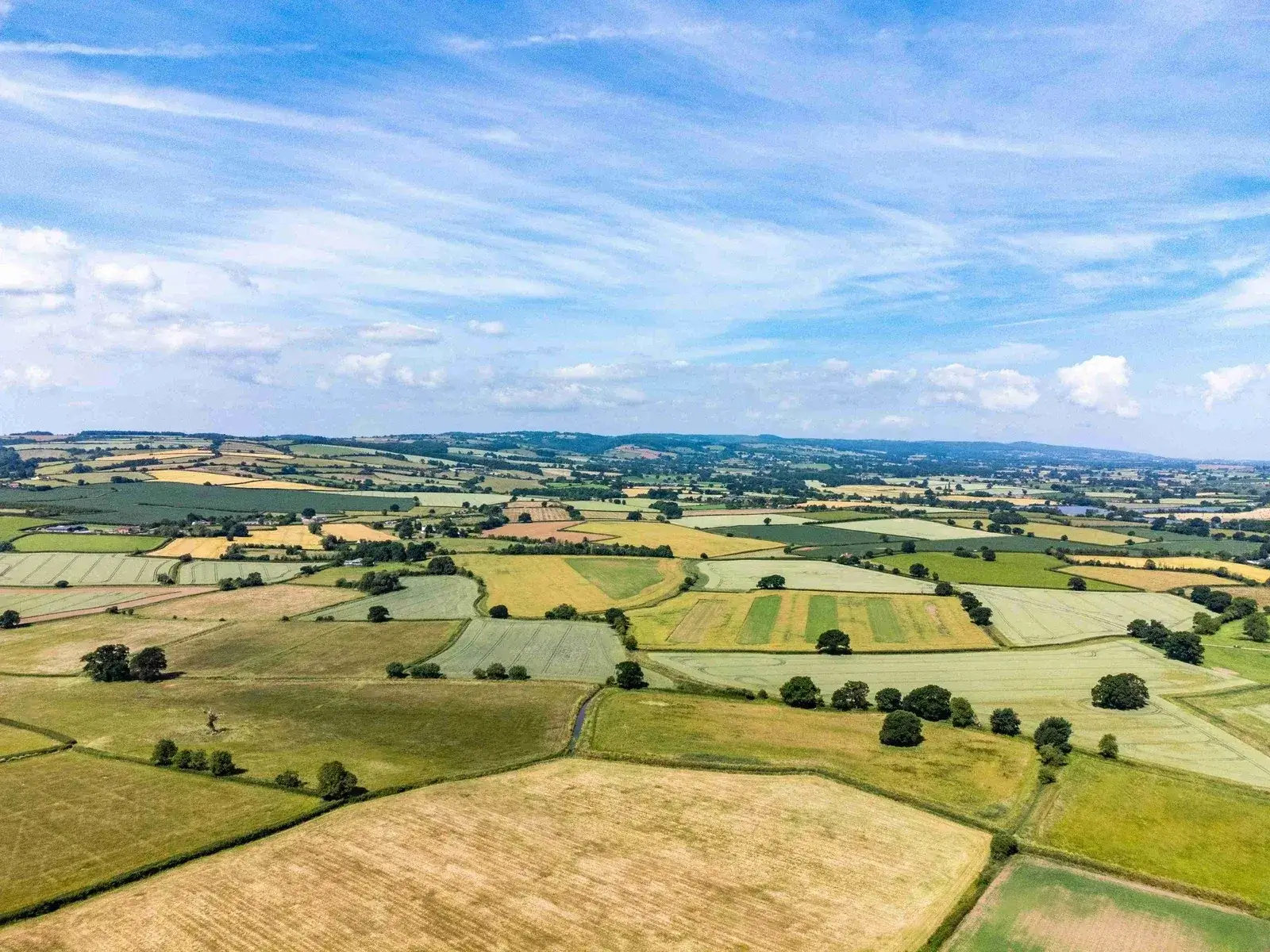
The Biggest Factor Affecting Land Value
Without question, planning permission is typically the single most significant factor influencing land value. Whilst location, access, market conditions and site characteristics all play an important role, the ability to develop land is often what creates the greatest increase in value.
Land that is currently worth only agricultural, paddock or amenity value can become worth many times more if residential, commercial or other forms of development become achievable. This is because planning permission changes the potential use of the land, creating opportunities that are often far more valuable than its existing purpose. In many cases, the difference between existing use value and development value can be substantial.
Importantly, planning permission is not the only consideration. The realistic prospect of securing planning permission in the future can also influence value. Local Plan reviews, site allocations, settlement boundary changes, housing land shortages and other planning policy factors can all increase market interest in a site before any formal planning consent has been granted.
For this reason, understanding a site's development potential is often one of the most important steps a landowner can take. The future possibilities for a site can have just as much influence on value as its current use, and identifying those opportunities can be key to unlocking its full potential.
A professional land valuation typically involves assessing:
Understanding the difference is essential before making any decision to sell your land.
Existing use value reflects what the land is worth based on its current purpose, whether that be agricultural, equestrian, amenity, commercial or another established use. Potential development value considers the possibility of future development and examines factors such as planning policy, Local Plan allocations, settlement boundary reviews, housing needs, site constraints, access arrangements and the likelihood of securing planning permission. By considering both current and future opportunities, a professional valuation provides a more comprehensive understanding of what the land may be worth today and how its value could change if development potential is successfully realised.
What Influences Land Value?
Land value is influenced by a wide range of factors, with planning potential often being the most significant. Whilst the current use of the land provides a starting point for any valuation, the possibility of future development can have a far greater impact on value. Planning policy, Local Plan allocations, settlement boundary reviews, housing land shortages and the likelihood of obtaining planning permission can all substantially increase market interest in a site.
Location is also a key consideration. Land situated adjacent to existing settlements, close to services, employment opportunities and transport links, will often be viewed more favourably than isolated sites. Access arrangements, infrastructure availability, site size, shape and topography can further influence how attractive a site is from a development perspective. Environmental considerations, including flood risk, landscape designations, heritage assets and ecological constraints, may also affect value, although such constraints do not necessarily prevent development from taking place.
Market conditions play an important role as well. Demand from developers, housebuilders and investors can vary over time and between locations, influencing the level of competition for development opportunities. Ultimately, land value is shaped by a combination of planning prospects, physical characteristics and market demand, which is why a thorough assessment of both current circumstances and future potential is essential when determining what land may be worth.
The key considerations are:
Planning Potential
Sites with realistic development prospects often command significantly higher values.
Location
Land close to:
will generally attract greater market interest and command a higher value.
Local Planning Policy
Emerging Local Plans, housing requirements and settlement growth strategies can all influence value.
Access
Sites with good highway access are often viewed more favourably by developers and planners.
Site Constraints
Factors such as flood risk, ecology, heritage assets and topography can affect both value and development prospects.
Existing Use Value vs Development Value
Many landowners understandably focus on what their land is currently used for when considering its value. However, developers, promoters and investors will often look beyond the existing use and assess what the land may be capable of becoming in the future.
This distinction between existing use value and development value is one of the most important concepts in land valuation.
This difference in value can be substantial.
Existing use value reflects the value of the land in its current state, whether it is used for agriculture, grazing, equestrian purposes, amenity land, commercial activities or another established use. Development value, by contrast, reflects the value that could potentially be achieved if planning permission is secured for a more valuable use, such as residential, commercial or mixed-use development.
The difference between these two values can be substantial. A site currently used for agriculture may have a relatively modest value based on its farming potential alone. However, if that same site is capable of securing planning permission, its value can increase dramatically because the land is no longer being assessed solely on its existing use but on its future development potential.
This is why understanding planning prospects is often so important. Even where planning permission has not yet been granted, factors such as Local Plan reviews, site allocations, settlement boundary changes and housing land shortages can all influence the market's perception of future development potential and, in turn, the value of the land. For many landowners, identifying these opportunities is the first step towards unlocking significantly greater value.
The same site with planning permission could be worth many multiples of that figure.
Why a Professional Land Assessment Matters
Many landowners underestimate the potential value of their land because they focus primarily on its current use rather than its future possibilities. A professional land assessment looks beyond existing use value and considers the factors that can influence a site's development potential, including planning policy, Local Plan allocations, settlement boundary reviews, housing needs, site constraints, access arrangements and local market demand.
By undertaking a detailed review of these considerations, it is often possible to identify opportunities that may not be immediately obvious. In some cases, land that appears to have limited value today may have realistic prospects for future development, which can significantly affect its market value. Equally, a professional assessment can highlight constraints and challenges that may need to be addressed before development can be pursued.
Understanding both the opportunities and limitations of a site allows landowners to make informed decisions about whether to sell, retain, promote or further investigate their land. It can also help avoid the risk of accepting offers that fail to reflect the site's true potential. Ultimately, a professional assessment provides a clearer understanding of what the land may be worth today and what it could potentially be worth in the future if development opportunities are successfully realised.
Many development opportunities are not immediately obvious. A professional review can help uncover a site's full potential by examining planning policy, Local Plan reviews, settlement boundary changes, development constraints, local growth strategies, infrastructure provision and market demand. By considering both current circumstances and future planning opportunities, it is often possible to identify prospects that may otherwise be overlooked.
A detailed assessment can provide valuable insight into how a site is likely to be viewed by local planning authorities, developers and investors. It can also highlight any constraints that may need to be addressed and identify the most appropriate strategy for bringing the land forward. Whether through Local Plan promotion, planning applications or other routes, understanding the options available is often the first step towards enhancing value.
Related Guides
A land value calculator provides a useful starting point, but a site's true value depends on its use, location, planning status and development prospects. These related guides explain how land is valued, why prices vary, how planning permission can affect value and the options available when selling land for development.
Land Value With Planning Permission
See how planning consent can transform market value and which costs, obligations and conditions influence the final uplift.
Click hereUK Agricultural Land Values 2024–2025: Regional Prices
Compare regional agricultural land values and understand the existing-use baseline from which development potential may create an uplift.
Click hereHow Is Land Valued in the UK?
Understand comparable evidence, existing use value, hope value and development value when assessing what land may be worth.
Click hereUnderstanding UK Land Prices: Complete Guide
Explore the factors that cause land prices to vary across the UK, including location, land use, planning potential and market demand.
Click hereGreen Belt Land Value Guide
Learn why some Green Belt land remains close to agricultural value while other sites can attract hope value or strategic value.
Click hereSelling Land for Development Guide
Explore how planning status, promotion strategy, sale timing and competition between buyers can affect the price achieved.
Click hereFrequently Asked Questions
Free Land Valuation
Value My Land provides free initial land assessments throughout England.
Simply send us a postcode, map pin, What3Words location or site plan, and we'll provide an initial assessment of your land's potential value, development prospects and suitability for future development opportunities.