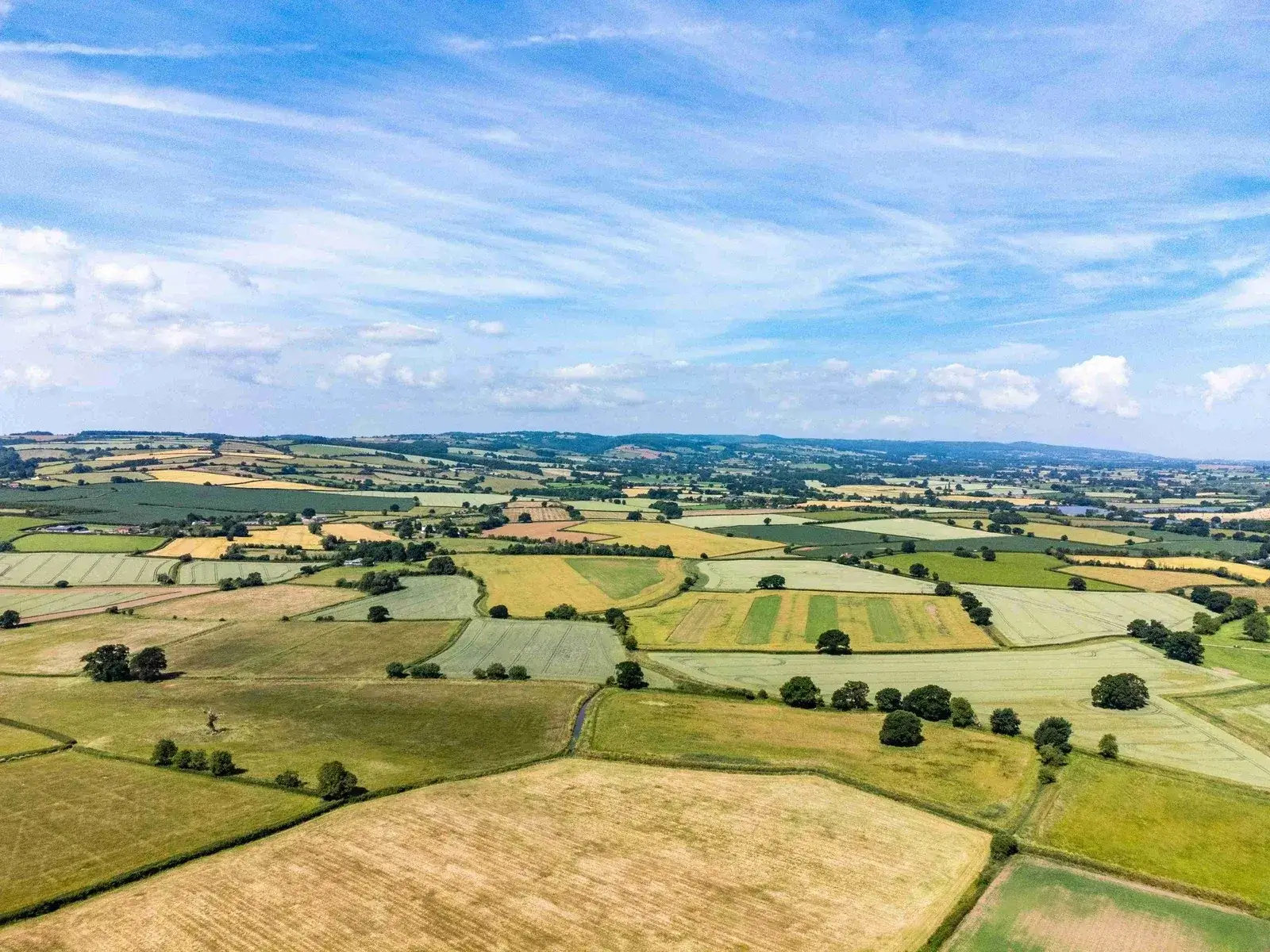
What Is Grey Belt Farmland?
Grey Belt farmland is usually land within the Green Belt that may not make a strong contribution to the core Green Belt purposes. It may include land that is already visually contained, affected by surrounding development, close to a settlement edge, previously developed in part, or less important in preventing unrestricted sprawl, settlement merging or countryside encroachment.
For farmers, the Grey Belt concept matters because many holdings sit close to towns, villages, transport corridors and existing residential areas. Some parcels may have very limited agricultural value compared with their potential strategic planning value, particularly where the local planning authority has housing supply pressures or is reviewing its Local Plan.
That said, Grey Belt is not a simple label that automatically makes development acceptable. A site must still be assessed carefully. Value My Land can help farmers understand whether their land has realistic planning potential, whether a Grey Belt case may be available and whether there is a sensible route to maximising land value.
Key Factors in a Grey Belt Assessment
Green Belt Purpose Assessment
The starting point is whether the land performs strongly or weakly against Green Belt purposes. Value My Land can consider containment, settlement relationship, openness and whether development could form a logical extension to an existing town or village.
Relationship to Existing Development
Farmland beside housing, employment areas, roads or settlement boundaries may have a stronger planning argument than isolated countryside. We can review the position of your land in its local settlement context.
Sustainable Location
Access to schools, shops, public transport, employment and services can be critical. Value My Land can help identify whether your site is well-located enough to be promoted for future development.
Housing Need and Local Plan Pressure
Where an authority needs more housing land, Grey Belt sites may become more important. We can review Local Plan progress, Call for Sites opportunities, land supply issues and the likely planning strategy.
Landscape and Environmental Constraints
Fields, hedgerows, trees, watercourses, habitats, views and heritage assets can all influence development potential. Value My Land can identify early constraints before expensive surveys are commissioned.
Development Value Potential
A farm field with credible planning potential may be worth significantly more than agricultural value. We can advise whether your land may have hope value, strategic value or a route to full development value.
Why Grey Belt Could Be Important for Farmers and Landowners
For many farmers, Green Belt designation has traditionally been viewed as a significant barrier to development. However, the emergence of Grey Belt policy has highlighted that not all Green Belt land performs the same planning function. In some circumstances, land that is influenced by existing development, physically contained or makes a limited contribution to certain Green Belt purposes may warrant closer planning assessment.
Grey Belt does not automatically make development acceptable, nor does it guarantee planning permission. However, it can provide an additional planning consideration where land is being reviewed through a Local Plan process, Green Belt assessment or wider growth strategy. For farmers with land on the edge of towns and villages, understanding whether Grey Belt factors may be relevant can help inform future planning and land promotion decisions.
Where a credible planning route exists, Grey Belt considerations may influence both development prospects and land value. This can be particularly important before selling land, entering into an option agreement, agreeing a promotion strategy or making other long-term decisions affecting the future of the farm. Understanding the planning position at an early stage can help farmers make more informed decisions and avoid overlooking potential opportunities.
A Grey Belt review may consider:
Whether the land is previously developed, partly enclosed or visually contained.
Whether the site could provide a logical extension to an existing village or town.
Whether the local authority needs additional housing or employment land.
Whether access, highways, drainage and services are likely to be achievable.
Whether land promotion could unlock value without upfront planning cost to the farmer.
Grey Belt, Green Belt and Farmland Value
Farmland can have several different layers of value. Existing use value reflects the land's current agricultural use, while hope value reflects the possibility of future planning permission being secured. Where planning permission or a development allocation is achieved, substantially higher development values may sometimes arise.
For land within the Green Belt, planning prospects are often a key factor in determining value. Where Grey Belt considerations, Local Plan opportunities or other planning routes create a credible prospect of future development, the market may place additional value on the land even before planning permission is obtained.
Understanding the planning position is therefore important before selling land, entering into an option agreement, agreeing a promotion strategy or making long-term decisions about the future of the farm.
The Main Types of Farmland Value
Agricultural Value
The current value of the land for farming, grazing or rural use. This may significantly understate future value if there is realistic planning potential.
Hope Value
A premium above agricultural value where there is a credible possibility of future development, Local Plan allocation or planning permission.
Strategic Land Value
Value that may arise where land has longer-term development potential but is likely to require promotion through a Local Plan review, Green Belt assessment, Call for Sites process or other strategic planning route before development can occur.
Development Value
The value that may be achieved if planning permission is secured and the land can be sold to a housebuilder or developer.
Value My Land helps farmers understand which value category may apply and what planning route could maximise the land’s potential.
How Grey Belt Potential is Typically Assessed
Determining whether farmland may have Grey Belt potential involves more than simply checking whether the land lies within the Green Belt. A proper assessment should consider planning policy, site characteristics, development constraints, settlement relationship and the most appropriate strategy for the landowner.
Check Planning Policy
Review national planning policy, Green Belt evidence, the adopted Local Plan, housing requirements and any emerging Local Plan review that could influence future opportunities.
Review the Site
Consider access, settlement relationship, landscape, field pattern, boundaries, topography, flood risk, utilities and environmental constraints that may affect development potential.
Identify the Most Appropriate Route
The best approach may involve Local Plan promotion, a Call for Sites submission, a planning application, a promotion agreement or a longer-term strategic land strategy.
Understand Value and Risk
Assess likely land value, planning risk, timescales, developer demand and the options available to avoid selling too early or accepting less than the land may ultimately be worth.
When Grey Belt Farmland May Have Potential
Farmland may have potential where it is connected to an existing settlement, enclosed by defensible boundaries, suitable for access, close to facilities and not heavily constrained by flood risk, ecology, heritage or landscape designations.
Sites next to existing housing, farmyards, redundant buildings, settlement edges or transport corridors may merit careful review. Value My Land can provide an early view before you invest in planning consultants, surveys or legal agreements.
When Grey Belt Arguments May Be Weak
Grey Belt arguments may be weaker where land is isolated, highly open, visually sensitive, important to settlement separation, difficult to access, affected by major constraints or poorly related to services and infrastructure.
Even then, the land may still have longer-term strategic value. Value My Land can advise whether the land should be monitored through Local Plan reviews or whether a different land value strategy is more appropriate.
How Value My Land Helps Farmers Assess Grey Belt
Value My Land helps farmers understand the planning and development potential of their land before important decisions are made. We can assess the site, review planning policy, consider constraints, identify Local Plan opportunities and advise whether land promotion, a planning application or a sale strategy may be suitable.
Where appropriate, we can help farmers explore routes that avoid upfront planning risk, including land promotion arrangements where planning work is funded and managed by the promoter. If planning is not achieved, the landowner does not usually have to pay the planning promotion costs.
How We Help Farmers Maximise Land Value
Related Guides
Explore our practical guides for farmers and rural landowners considering Grey Belt and Green Belt development opportunities. Learn how planning prospects may affect farmland value, how suitable sites can be promoted for housing, and the planning and commercial routes that may help unlock long-term development potential.
Can Green Belt Farmland Be Developed?
Understand how Green Belt policy, planning exceptions and Local Plan reviews may affect farmland.
Click hereCan I Get Planning for My Farm?
Discover the main planning routes and site factors that determine whether farmland may support development.
Click hereAgricultural Land Development Potential
Review the planning, location, access and technical factors that may give agricultural land realistic development potential.
Click hereCould My Farm Be Worth More Than Agricultural Value?
Find out how credible Grey Belt or wider planning prospects may add value beyond agricultural use.
Click hereExisting Use Value vs Development Value
Learn the difference between agricultural existing-use value and the higher value development may create.
Click hereWhat Is Land Promotion?
See how specialist promotion can pursue planning and market land to secure the best available price.
Click herePromotion Agreements for Farmers
Understand how a promoter can fund and manage planning in return for an agreed share of sale proceeds.
Click hereSelling Fields for Housing Development
Explore the planning, promotion and sale process where farmland may have potential for new housing.
Click hereMaximising the Value of Farmland
Consider how planning, promotion and careful land strategy may help increase farmland’s future value.
Click hereFrequently Asked Questions
Free Farmland Review
Value My Land can review your farmland and advise whether there may be a Grey Belt, planning, promotion or development value opportunity.
Grey Belt Farmland
Find out whether your farmland may have Grey Belt potential and what planning, promotion or strategic land opportunities could help maximise its future value.