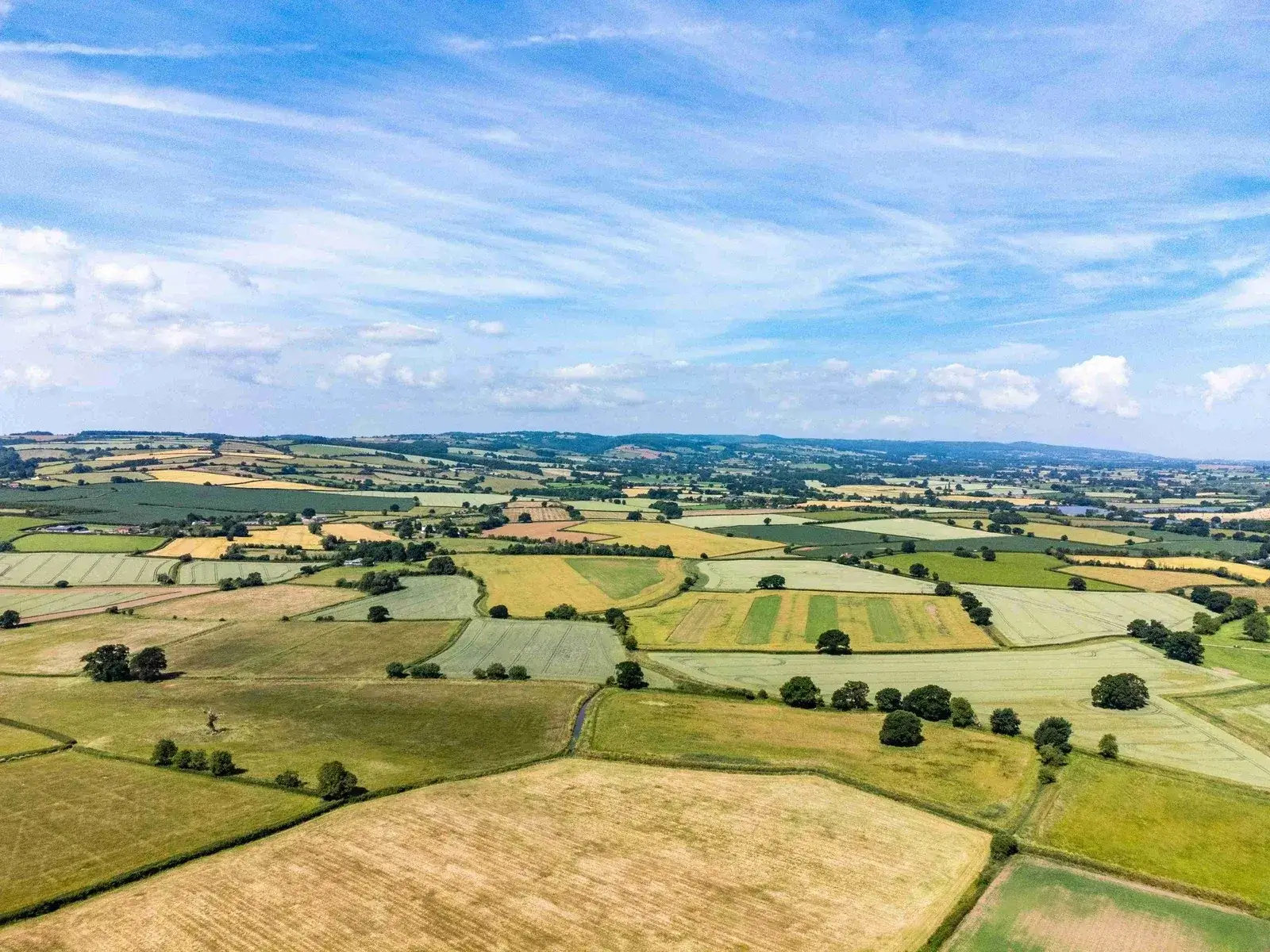
The farming context
What Is a Promotion Agreement for Farmland?
A farmland Promotion Agreement allows a specialist promoter to fund and manage an agreed planning strategy while the farmer retains ownership. The promoter may pursue Local Plan allocation, technical evidence, planning permission and an appeal. If the defined outcome is achieved, the site is normally marketed to competing purchasers and the promoter receives its agreed fee from the sale proceeds.
The attraction is a funded route to development potential while the land can normally remain in agricultural use, subject to survey and access provisions. The promoter risks not recovering its expenditure if planning fails, while the farmer accepts long-term contractual control and the possibility that the promoted parcel will eventually leave the holding.
The agreement must protect agricultural operations, define the correct boundary, manage surveys and biosecurity, address tenants and lenders, preserve retained-farm access and services, control infrastructure rights and provide a clear basis for calculating net sale proceeds.
The farmer keeps ownership
The land generally remains in the farmer’s ownership until a sale to the successful purchaser completes.
The promoter funds agreed work
Planning, technical and professional expenditure is normally advanced by the promoter at its own risk, subject to the agreement.
The farm can usually continue operating
Ordinary agricultural use should remain permitted while surveys and planning work are coordinated around the business.
Planning strategy is professionally managed
The promoter leads Local Plan, application, appeal and technical work in accordance with the agreed obligations and approvals.
The land is normally marketed
After planning success, competing developers can bid for the site rather than one party holding an exclusive right to buy at a formula price.
The whole holding must be protected
Farm access, drainage, utilities, livestock, retained buildings, future phases and family ownership all require specific consideration.
Typical promotion journey
How Farmland is Promoted Under a Promotion Agreement
The route may extend across several planning stages, but each stage should be connected to clear contractual obligations and the continued operation of the farm.
Initial farm and site assessment
The promoter reviews policy, settlement context, access, likely capacity, technical constraints, title, ownership, occupation and the relationship between the proposed site and the retained holding.
Promotion heads of terms
The parties agree the promotion period, fee, cost recovery, budget controls, planning strategy, landowner approvals, farming provisions, retained-land protections, minimum price and sale process.
Agreement and stakeholder consents
The legal documents are completed with the involvement of all relevant owners, trustees, partners, lenders and occupiers. Appropriate title protection may be registered in favour of the promoter.
Policy and planning work
The promoter commissions evidence, engages with the council, promotes the site through the Local Plan and, where justified, prepares and submits a planning application or appeal.
Farm operations continue
The farmer continues agricultural use while access, intrusive surveys, ecology work and public consultation are managed under the notice, biosecurity, compensation and reinstatement provisions.
Planning outcome and market preparation
Once the agreed planning threshold is achieved, the permission, technical pack, title information and sale strategy are prepared so purchasers can assess the site consistently.
Open-market sale and completion
Competing bids are evaluated, the preferred purchaser is selected in accordance with the agreement, and the sale completes with agreed protection for retained land. Approved promotion costs and the promoter fee are then dealt with from the proceeds.
Why farmers consider promotion
A Funded Route to Development Value Without Selling at the Outset
Promotion can suit an uncertain or strategic opportunity where the farmer does not wish to fund a lengthy specialist process personally.
Promotion is a partnership of aligned interests—but only if the drafting supports it
Planning duties, cost recovery, the fee and sale obligations should support a marketable permission and strong net result.
Access to planning expertise and funding
A credible case may require policy, highways, ecology, drainage, landscape, heritage, ground, viability and legal work. The promoter coordinates and funds the agreed team rather than requiring the farmer to carry those costs before the outcome is known.
The agreement should distinguish recoverable costs from the promoter’s overhead. Although the farmer avoids upfront exposure, the effect on net proceeds must remain transparent.
Long-term strategic promotion
Edge-of-settlement farmland may depend on a Local Plan review, Green Belt assessment, infrastructure strategy or coordinated allocation. Promotion can provide continuity through lengthy and changing policy processes.
The term should not replace active progress. Milestones, reporting and an ultimate longstop remain important through multiple planning cycles.
Market competition after planning
After a satisfactory planning result, the site is generally marketed to developers. The farmer is not limited to the promoter as buyer and can benefit from competition between bidders with different costs, programmes and appetite.
A fee linked to sale proceeds can align the promoter with a stronger bid, provided marketing, costs, minimum price and approvals are properly controlled.
Time to plan the farm transition
Because sale follows planning, the family has time to consider succession, reinvestment, relocation, debt reduction and operation of the retained farm.
Tax, partnership, trust and estate advice can affect boundary, phasing and timing and should be obtained before the agreement becomes binding, not after a buyer is selected.
Working farm protections
Continued Farming During the Promotion Period
A promotion agreement may last for many years. It should preserve viable agricultural operations while giving the promoter the access and planning control reasonably required.
Normal husbandry
Cultivation, grazing, harvesting, hedge and ditch maintenance, routine repairs, statutory compliance and ordinary livestock management should remain permitted.
Buildings and diversification
New buildings, renewable projects, storage, events, environmental commitments or changes of use may require promoter consent if they could prejudice development. Consent standards and response times should be clear.
Cropping and possession
The agreement should address standing crops, grazing cycles, contractor commitments and the notice required before vacant possession or construction access is needed.
Environmental schemes
Existing or proposed stewardship, biodiversity, woodland, nutrient, carbon or other long-term commitments should be disclosed and reviewed against the planning strategy and potential sale timetable.
Tenants and occupiers
Farm business tenants, agricultural tenants, graziers and licensees may have rights that affect surveys, planning and sale. The parties should agree how occupation can continue and how possession will eventually be delivered.
Mortgages and finance
Lender consent may be required to the agreement and title entries. The farmer should retain reasonable ability to refinance, restructure or provide security without undermining the promoter’s protected interest.
Farm compliance and emergencies
The farmer must remain able to respond to disease, welfare, pollution, flooding, fire, safety and statutory directions. Emergency works should not require prior promoter approval.
Compensation and business records
Survey and planning work can cause crop loss, compaction, drainage damage, additional labour or reduced scheme payments. The agreement should provide a practical claims process, evidence requirements and payment timetable, including latent damage discovered after reinstatement. Farm records, yield maps, drainage plans and photographs can establish the pre-entry condition, but the promoter should not require disproportionate proof where its contractors caused an obvious loss. Compensation should be separate from recoverable promotion costs and should not reduce the farmer’s sale proceeds.
Communication protocol
Named contacts, meeting frequency, access notice and a process for resolving operational conflicts can prevent day-to-day friction during a long promotion period.
Technical access
Surveys, Biosecurity, Crop Loss and Reinstatement
The promoter will need substantial site information, but access should be managed as professional work on an operating farm.
Planned access
Survey visits should be notified in advance and coordinated with the farmer. The notice should identify the work, location, people attending, vehicles and likely duration. Sensitive periods such as lambing, calving, harvesting, spraying or major livestock movements may require alternative timing.
The farmer should be able to impose reasonable safety and biosecurity requirements. Gates, fences, electric fencing, livestock routes and machinery movements must be respected by consultants and contractors.
Intrusive investigation
Boreholes, trial pits, archaeological trenches, monitoring equipment and drainage investigations should require method statements and location approval. The promoter should avoid productive areas where reasonable alternatives exist and should restore soil profiles, drains and surfaces.
Compensation should cover crop loss, reduced yield, temporary exclusion, contractor costs and damage that becomes apparent after the survey team leaves. A time limit for claims should allow latent drainage or compaction issues to emerge.
Insurance and responsibility
The promoter and its contractors should maintain adequate insurance and indemnify the farmer for loss caused by their acts or omissions. The agreement should allocate responsibility for health and safety without transferring control of the farm workplace to visitors.
Prospective purchasers attending during marketing should be subject to the same access discipline. Open days or multiple bidder inspections require particular coordination on livestock holdings.
Sharing information
Material survey results should be supplied to the farmer, especially where they reveal contamination, drainage, ecology, archaeology or ground conditions that may affect management, insurance or value. Reports should be capable of being passed to the eventual buyer.
If promotion ends, the farmer should receive the benefit of relevant planning and technical work so that the site is not forced to begin again, subject to consultant rights and warranties.
The Promotion Strategy Should Work With the Farm, Not Against It
The strongest agreement combines active planning obligations with practical farming provisions, clear survey controls and protection for the land and buildings that will remain.
Planning strategy
Local Plan Promotion, Planning Applications and Farm-Specific Approvals
The promoter should lead technical strategy while the farmer oversees decisions affecting the holding, liabilities and future use.
Local Plan and Call for Sites work
Strategic promotion may progress from a Call for Sites through evidence, draft allocations, representations and examination. The agreement should require updates when council timetables or assessments change.
The farmer should know whether the promoter controls competing sites and how resources and conflicts will be managed. A broad portfolio may influence priorities.
Planning application and appeal
Where an application is realistic, the agreement should define objectives, programme and endeavours. The farmer may require approval of the boundary, access, drainage, land transfers, section 106 obligations and effects on retained buildings.
Appeal decisions should reflect prospects, cost, timing and strategy. The promoter should neither abandon a credible route without explanation nor pursue an unmeritorious appeal merely to meet a milestone.
Minimum planning outcome
Marketing should be triggered by a commercially meaningful planning outcome, with minimum use, capacity, developable area, value or infrastructure requirements where appropriate.
A permission may be unsatisfactory if it places excessive drainage, biodiversity, access or open-space burdens on the retained farm. Whole-holding effects should inform approval.
Long-term obligations
Conditions and section 106 obligations may create maintenance, habitat, drainage or access duties. The farmer should not retain development liabilities after sale unless they are understood, funded and appropriate.
Where mitigation remains in agricultural ownership, its management, duration, payment, access and transfer options should be settled before the obligation is completed.
Farm sale economics
How Promotion Costs, the Fee and Net Proceeds Interact
Farmers should model the completion statement before signing. The headline promoter percentage does not show the full economic outcome.
| Financial issue | Typical treatment | Question for the farmer |
|---|---|---|
| Promotion expenditure | Approved planning, technical, legal and sale costs are often recovered from the sale proceeds. | Which categories are recoverable, are they evidenced, can budgets be increased and does interest apply? |
| Promoter fee | The promoter receives an agreed percentage or other fee following a successful sale. | Is the fee calculated before or after costs, and does it apply to deferred payments, overage or later phases? |
| Minimum price | The agreement may prevent marketing or sale below a minimum figure or minimum landowner receipt. | Is the protection realistic, indexed and capable of reflecting the value of buildings, access rights or phased land? |
| Selling-agent costs | Agency and legal sale expenses may be deducted before distribution. | Who appoints the agent, is the fee market-tested and are connected-party conflicts addressed? |
| Tax and debt | The landowner is responsible for its tax position and may use proceeds to discharge secured borrowing. | Has advice been taken early enough to influence ownership, phasing, reinvestment and completion timing? |
| Farm transition costs | Relocation, replacement buildings, access works or business disruption may not automatically be treated as promotion costs. | Should the site design, sale price, completion timetable or purchaser obligations provide for these practical consequences? |
Marketing the site
Open-Market Sale and the Farming Transition
The marketed opportunity should be clear, deliverable and compatible with the retained farm.
A successful sale should leave a workable retained farm
Purchaser conditions, possession and permanent rights should be assessed with the bid, not after the price is agreed.
Preparing for the market
Before inviting bids, the promoter should assemble the planning, technical, title, section 106, services and retained-rights information. Purchasers should receive consistent details on possession, crops, access and continuing occupation.
A coherent data room reduces late price reductions. The farmer should review the particulars and ensure that statements about access, occupation and vacant possession are accurate.
Comparing developer bids
The highest offer may contain lengthy conditions, deferred payment or infrastructure uncertainty. Price should be assessed with funding, deposit, timing, conditionality and the purchaser’s record.
The agreement should define the farmer’s role in bidder meetings and whether unacceptable retained-farm risk justifies rejecting an otherwise qualifying bid.
Possession and crop planning
Completion should reflect cropping, grazing and livestock. The sale contract may provide notice, licence-back, harvesting, staged possession or compensation to avoid unnecessary loss.
Working buildings, yards and tracks should not be included merely for a convenient boundary. Replacement access or facilities may be required before possession.
Construction interface
The farmer will live with the purchaser’s construction after the promoter exits. Haul routes, compounds, fencing, wheel washing, dust, noise, drainage and contact procedures should therefore be secured in binding documents.
Shared access or infrastructure should carry clear developer maintenance, indemnity and reinstatement duties, backed where appropriate by security.
Retained-land strategy
Protecting Farm Access, Drainage, Services and Future Phases
The planning and marketing process should preserve the operational and development value of the wider holding wherever possible.
Agricultural access
The farmer may need a dedicated route for large machinery, livestock, deliveries and emergency access. Width, surfacing, turning, gates, maintenance and interaction with residential traffic should be settled through the masterplan and legal rights.
A temporary promise that agricultural traffic can use the estate road may not be adequate. The right must be enforceable against the purchaser and suitable for the actual vehicles and operating pattern.
Drainage and water management
Existing field drains, ditches, culverts, private water and irrigation should be surveyed. New development should not increase runoff, obstruct agricultural drainage or leave the farmer responsible for maintaining infrastructure primarily serving the scheme.
Sustainable drainage, habitat and nutrient land can remain outside the sale parcel while still carrying long-term obligations. Ownership, management funding, access and liability should be decided before planning permission is finalised.
Utilities and reserved capacity
New utility corridors may provide an opportunity to secure connections for retained buildings or future phases. The farmer should consider capacity, route, easement width, maintenance access and compensation.
Existing supplies must be protected during construction. Diversion or disconnection should not occur without replacement arrangements that maintain farm operations.
Future development potential
The first development should not unnecessarily consume all highway, drainage or ecological capacity or block a logical extension. The promoter should assess whether infrastructure and layout can preserve future opportunity across adjoining land.
Where the farmer owns additional land, a collaboration or equalisation structure may be needed so that the promoted parcel bears a fair share of common costs and benefits without sterilising later phases.
Farm ownership and succession
Who Needs to Be Involved Before a Promotion Agreement Is Signed?
The registered title may tell only part of the ownership and occupation story. Early coordination avoids a planning success that cannot be sold cleanly.
Co-owners and trustees
All legal owners and relevant trustees must understand the obligations, decision-making process and distribution of proceeds. Trust powers and beneficiary interests may require specialist advice.
Farm partnerships and companies
The landowner, farming business and occupier may be different entities. Partnership agreements, shareholder arrangements and authority to commit the land should be checked.
Agricultural tenants
A tenant may have statutory protection, compensation rights or practical control of the land. The sale and vacant-possession strategy should be agreed rather than assumed.
Lenders
Existing mortgagees may need to consent to the promotion agreement, restriction, planning obligations and eventual release. The parties should also allow for future refinancing.
Family succession
A long promotion period may cross generations. Wills, inheritance plans, death or incapacity and replacement decision-makers should be considered in the agreement and wider estate planning.
Tax advisers
Ownership changes, option-style rights, phasing and timing can affect capital gains, inheritance, income and reliefs. Advice should be obtained before heads of terms become difficult to change.
Professional advisers
The farmer should use an independent solicitor experienced in strategic land, together with valuation and tax advisers and a planning understanding of the site.
Farm management team
Those operating the holding should contribute to access, survey, drainage, crop, livestock and retained-land provisions even where they are not parties to the agreement.
Choosing an agreement
How Farm Promotion Differs From an Option
This page focuses on promotion. Read our farmer comparison guide to consider which structure may better reflect the farming family’s priorities.
| Farm priority | Promotion agreement | Option agreement |
|---|---|---|
| Market competition | The site is normally marketed after planning so several developers can bid. | The option holder usually becomes the buyer under the agreed price formula. |
| Alignment on value | The promoter’s fee is commonly linked to sale proceeds, subject to costs and fee drafting. | The option holder may benefit from acquiring at a discount to the contractual market value. |
| Planning expenditure | Funded by the promoter and usually recoverable as agreed from a successful sale. | Usually borne by the option holder as part of pursuing its potential acquisition. |
| Farm transition | The farmer prepares for a separate marketing and purchaser-selection stage after planning. | The farmer may move directly from the option holder’s planning process to a sale to that party. |
| Typical fit | May suit farmers prioritising funded promotion, open-market bidding and a sale-price-linked reward. | May suit where an identified developer is the natural buyer and the price and whole-farm protections are acceptable. |
Before signing
Questions Farmers Should Ask About Promotion Terms
The proposed agreement should be tested against the planning opportunity, the farm business and the family’s long-term objectives.
Is the site boundary right for the farm?
Separate the development parcel from land needed for access, drainage, ecology, services and future phases.
Can the business continue normally?
Protect ordinary husbandry, environmental obligations, tenancies, refinancing and emergency actions.
Are survey controls practical?
Agree notice, biosecurity, intrusive-work approval, compensation, reinstatement and access contacts.
What planning work must the promoter complete?
Review Local Plan obligations, application timing, appeal, reporting, milestones and competing-site conflicts.
How are costs and the promoter fee calculated?
Model the order of deductions, interest, budgets, deferred payments, overage and minimum landowner return.
How will the purchaser be chosen?
Check open-market exposure, agent appointment, bid information, approval rights and consequences of rejecting an offer.
How is the retained farm protected?
Secure permanent access, drainage, utility capacity, fencing, construction controls and future-development options.
Who else needs to consent?
Engage partners, co-owners, trustees, tenants, lenders, family members and tax advisers before commitment.
What happens if promotion fails?
Require release of title protection and access to planning, technical and consultant material so the land can be progressed again.
How Value My Land can help
A Funded Promotion Route for Farmers
Value My Land assesses the planning opportunity and, where we agree to promote farmland, funds the entire promotion and planning process at our own cost and risk. Our agreed fee is payable only when the land is successfully sold with planning permission. Independent legal, valuation and tax advice is required before any agreement is completed.
Free planning assessment
We consider policy, settlement context, access, constraints and the likely route to development.
Whole-farm strategy
We review how the proposed site relates to buildings, access, drainage, services and retained land.
Funded professional work
Where instructed under our promotion model, we manage and fund the agreed planning and technical process.
Landowner communication
We keep the planning strategy and key decisions transparent throughout the promotion period.
Market-led sale
Following planning success, the land is marketed competitively in accordance with the agreed sale process.
Success-based fee
Our agreed fee becomes payable only when the land is successfully sold with planning permission.
Could Part of Your Farm Have Development Potential?
Send the farm postcode, title plan, Google Maps location or what3words reference. We will provide a free initial assessment of the planning opportunity and the likely promotion route.
Related Guides
Explore practical guides explaining how land promotion agreements can unlock farmland development potential, secure planning permission and position agricultural land for Local Plan allocation or a future sale. Compare promotion and option agreements, understand Call for Sites opportunities, and learn how a strategic planning-led approach can help maximise farmland value.
What Is Land Promotion?
Understand how land promotion works, who funds the planning process and how a promoter seeks to maximise the eventual sale value.
Click hereOption Agreements for Farmers
Learn how option agreements operate and what farmers should consider before granting a developer the right to purchase their land.
Click herePromotion Agreement vs Option Agreement for Farmers
Compare the structures, incentives and risks of the two principal agreements used to pursue development on farmland.
Click hereCan I Sell My Farm for Development?
Explore the planning, market and site factors that can affect whether a farm may attract interest from developers or land promoters.
Click hereCan Farmland Be Included in a Local Plan?
Discover how agricultural land can be assessed and promoted for allocation through the Local Plan process.
Click hereCall for Sites Guide for Farmers
Learn how to submit farmland during a Call for Sites and present its development credentials to the local planning authority.
Click hereHow Do Farmers Obtain Planning Permission?
Follow the principal routes available to farmers, including Local Plan promotion, Call for Sites submissions and planning applications.
Click hereLocal Plan Allocation Guide
Understand how land is assessed, promoted and considered for allocation through the Local Plan process.
Click hereMaximising the Value of Farmland
Explore planning, promotion and land-management strategies that may strengthen the long-term value of agricultural property.
Click hereQuestions farmers ask about promotion
Frequently Asked Questions
These answers cover common farmland promotion issues only. The proposed agreement and planning strategy should be examined with advisers who understand the farm business, ownership and retained holding.