Farm land planning permission and development potential background

Can I Get Planning for My Farm?

A Practical Guide for UK Farmers and Farming Families

Many farmers own land that could have long-term development potential, but it is not always obvious where planning permission may be possible or which route should be taken.

Farm land, paddocks, redundant yards, buildings, barns, edge-of-village fields and land close to existing settlements can all raise important planning questions.

The key question is not simply whether your farm has planning permission today.

Could part of your farm realistically achieve planning permission or be promoted for future development?

Value My Land helps farmers assess planning potential, understand land value and decide whether land promotion, a planning application or a longer-term strategy may be the best route forward.

Get Your Free Land Valuation

Find out whether your farm could have development potential

Can Farmers Get Planning Permission on Farm Land?

For many farmers, land is the most valuable asset they own. It may have been farmed for generations, used for grazing, crops, storage, equestrian purposes, agricultural buildings or farm operations. However, changes in planning policy, housing need, local plan reviews, infrastructure investment and the growth of nearby towns and villages can all create opportunities for farm land to be considered for future development.

Planning permission for farm land is not automatic. Agricultural use does not, by itself, mean that housing, commercial development, renewable energy, tourism, storage or other development will be acceptable. However, many farms contain areas that may be suitable for development now or capable of being promoted through the planning system over time.

The strongest opportunities often arise where farm land is well located, has suitable access, relates well to an existing settlement, is not heavily constrained and can help meet local housing, employment or community needs. Even where planning permission is not immediately available, there may still be strategic value if the land could be promoted through a Local Plan, Call for Sites process or future planning application.

Value My Land helps farmers understand whether their farm land may have development potential and how best to unlock its value without taking unnecessary planning risk.

Farm Land Potential

We review farmland, paddocks, yards, buildings and edge-of-settlement land to identify whether any part of the holding may be suitable for planning permission or long-term promotion.

Planning Strategy

We consider whether a planning application, Local Plan promotion, Call for Sites submission or longer-term land promotion strategy may offer the best route for your farm.

Maximising Value

Development value can be significantly higher than agricultural value. We help farmers understand what their land could be worth and how to protect their position.

What Types of Farm Land May Have Planning Potential?

Every farm is different. Some opportunities relate to new homes on the edge of a village. Others relate to redundant agricultural buildings, farm diversification, employment space, rural tourism, renewable energy, battery storage, care accommodation, equestrian uses or small-scale commercial development. The correct route depends on the land, the location, local planning policy and the evidence available to support the proposal.

Edge-of-Settlement Fields

Fields adjoining towns, villages or established residential areas may have potential for housing where they form a logical extension to the settlement, have suitable access and are not affected by overriding constraints.

Redundant Farm Buildings

Older barns, storage buildings and underused agricultural structures may offer conversion, replacement or redevelopment opportunities, subject to structural, access, heritage and planning policy considerations.

Farm Yards and Previously Used Land

Farmyards, hardstanding areas, former commercial yards and brownfield elements within a farm can sometimes provide stronger planning opportunities than open countryside fields.

Strategic Land for Future Growth

Larger areas of farmland may not be suitable for an immediate application but could be promoted through a Local Plan review for future housing, employment or mixed-use development.

Farm Diversification

Planning permission may be possible for diversification projects such as storage, workshops, rural enterprise, tourism accommodation, farm shops, leisure uses, equestrian facilities or renewable energy schemes.

Land Close to Infrastructure

Land near roads, services, schools, public transport, employment areas or planned infrastructure improvements may perform better in planning terms than isolated countryside sites.

What Makes a Farm Suitable for Development and Planning Permission?

Councils assess farm land in the same planning context as other land, but agricultural holdings often raise additional issues such as countryside policy, landscape impact, access for farm machinery, existing agricultural operations, drainage, ecology and the relationship between proposed development and the remaining farm business.

Location

Land adjoining an existing settlement will often have a stronger planning case than isolated countryside land. Councils will consider whether the site relates well to existing homes, services, employment, schools and public transport.

Access

Safe access is critical. Visibility splays, road width, junction capacity, pedestrian connections and the ability to serve the development without harming farm operations may all need to be considered.

Housing Need

Where councils cannot demonstrate an adequate housing land supply or are reviewing their Local Plan, there may be increased opportunities for suitable sites to be considered for residential development.

Environmental Constraints

Ecology, trees, hedgerows, flood risk, drainage, protected landscapes, heritage assets and public rights of way can influence what may be possible. Constraints do not always prevent development, but they must be properly assessed.

Planning Policy

Settlement boundaries, countryside policies, Green Belt, local housing allocations, neighbourhood plans and emerging Local Plan reviews all affect the prospects of planning permission.

Viability and Value

The uplift from agricultural value to development value can be substantial, but planning, infrastructure, affordable housing, drainage, ecology and abnormal costs must be assessed before deciding the best route.
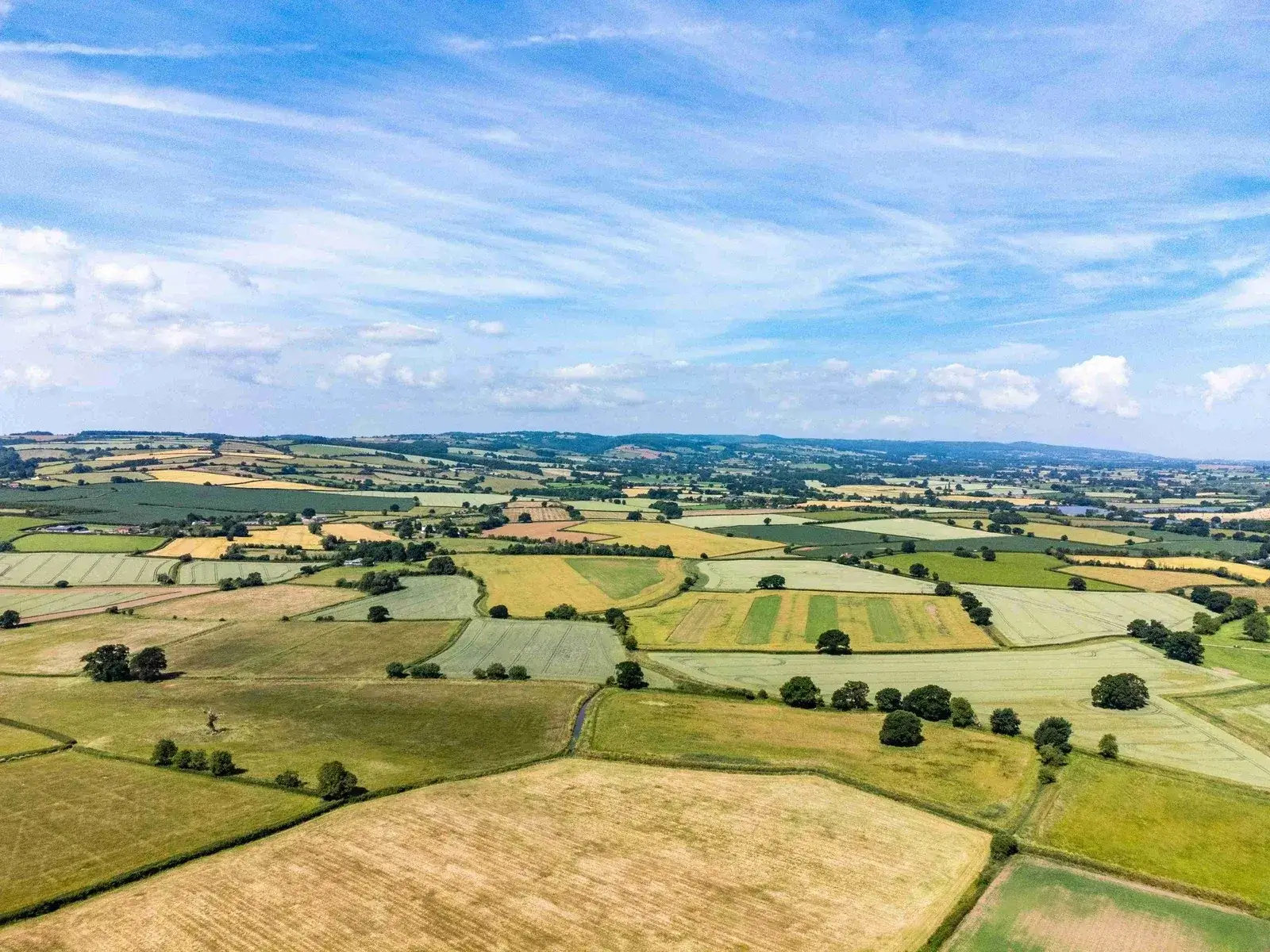
The Main Planning Routes for Farmers

There is no single route that works for every farm. Some sites are best pursued through a planning application, while others need to be promoted through the Local Plan process. Value My Land can help farmers choose the most appropriate strategy based on the land, policy position, timescale and likely value uplift.

1

Planning Application

Where the land has a realistic immediate prospect, a planning application may be prepared and submitted. This may require highways, ecology, drainage, landscape, heritage, arboricultural and planning evidence.

2

Local Plan Promotion

Where the farm land is better suited to future growth, it may be promoted through the council's Local Plan review so it can be considered for allocation or inclusion within a future settlement boundary.

3

Call for Sites Submission

Councils regularly invite landowners to submit land for consideration. A strong submission explains why the land is suitable, available, achievable and capable of delivery.

4

Farm Diversification Application

For farmers seeking to support the farm business, applications may relate to storage, tourism, farm shops, commercial uses, renewable energy, equestrian uses or other rural enterprises.

5

Land Promotion Agreement

Under a promotion agreement, the promoter funds and manages the planning process. If successful, the land is sold with planning permission and the landowner receives the sale proceeds after agreed costs and promoter's fee.

How Value My Land Can Help Farmers

Value My Land helps farmers and farming families understand the planning potential and value of their land. We can provide an initial assessment, advise on the most appropriate route and, where suitable, help promote the land through the planning system.

Free Initial Farm Land Review

We review the location of your farm, planning policy, settlement relationship, access, constraints and possible development routes. This helps you understand whether part of your land could have immediate or future planning potential.

Land Valuation and Development Potential

We help farmers understand the difference between existing agricultural value, hope value and potential development value, so you can make informed decisions before selling, promoting or applying for planning permission.

Promotion Agreements

Where land has strong development prospects, we may be able to promote the land on your behalf. This means we fund and manage the planning process, with no upfront planning costs for the farmer.

Planning Applications

Where an application is the right route, we can help coordinate the planning strategy and the technical evidence needed to support a robust submission to the local planning authority.

Local Plan and Call for Sites Monitoring

Timing matters. We monitor Local Plan reviews, Call for Sites opportunities and planning policy changes so farmers do not miss key windows to submit land for future development consideration.

No Upfront Cost Land Promotion

If we take your land forward under a promotion agreement, we fund the planning work and take on the planning risk. If planning permission is not secured, the agreed promotion costs are written off and it does not cost you a penny.

Frequently Asked Questions

Yes, but it depends on location, planning policy, access, constraints and whether the site represents a sustainable development opportunity. Many housing schemes have been delivered on former agricultural land, but each site needs careful assessment.
No. In many cases only part of a farm may be suitable for development. A planning strategy can be designed to protect the continuing farm business while exploring the potential of surplus or strategically located land.
Land promotion is where a promoter funds and manages the planning process to try to secure planning permission or an allocation. If successful, the land is usually sold with planning permission and the promoter is paid from the sale proceeds.
Potentially. Redundant agricultural buildings may offer opportunities for conversion, replacement buildings or redevelopment, subject to planning policy, structural condition, access, ecology, heritage and design considerations.
Where we enter into a land promotion agreement, we fund and manage the planning process. If planning permission is not secured, the agreed promotion costs are written off and the farmer does not have to pay those costs.
The best starting point is a planning and valuation review. Value My Land can assess location, policy, constraints, market demand and development prospects to help you understand whether your land may have hope value or development potential.

Free Farm Land Planning Review

Value My Land provides a free initial review of farm land, planning potential and possible development value. We can help you decide whether land promotion, a planning application or a longer-term Local Plan strategy is the right route.

Find Out Whether Your Farm Has Planning Potential

Whether you are considering selling part of your farm, promoting land through the Local Plan or submitting a planning application, Value My Land can help you understand your options and maximise the value of your land.

Contact us today for a free farm land review

Understanding your farm land planning options could be the first step towards unlocking significant value.

Free Initial Farm Land Review

Contact Information

Office

13 Ensign Business Centre
Westwood Way
Coventry
CV4 8JA