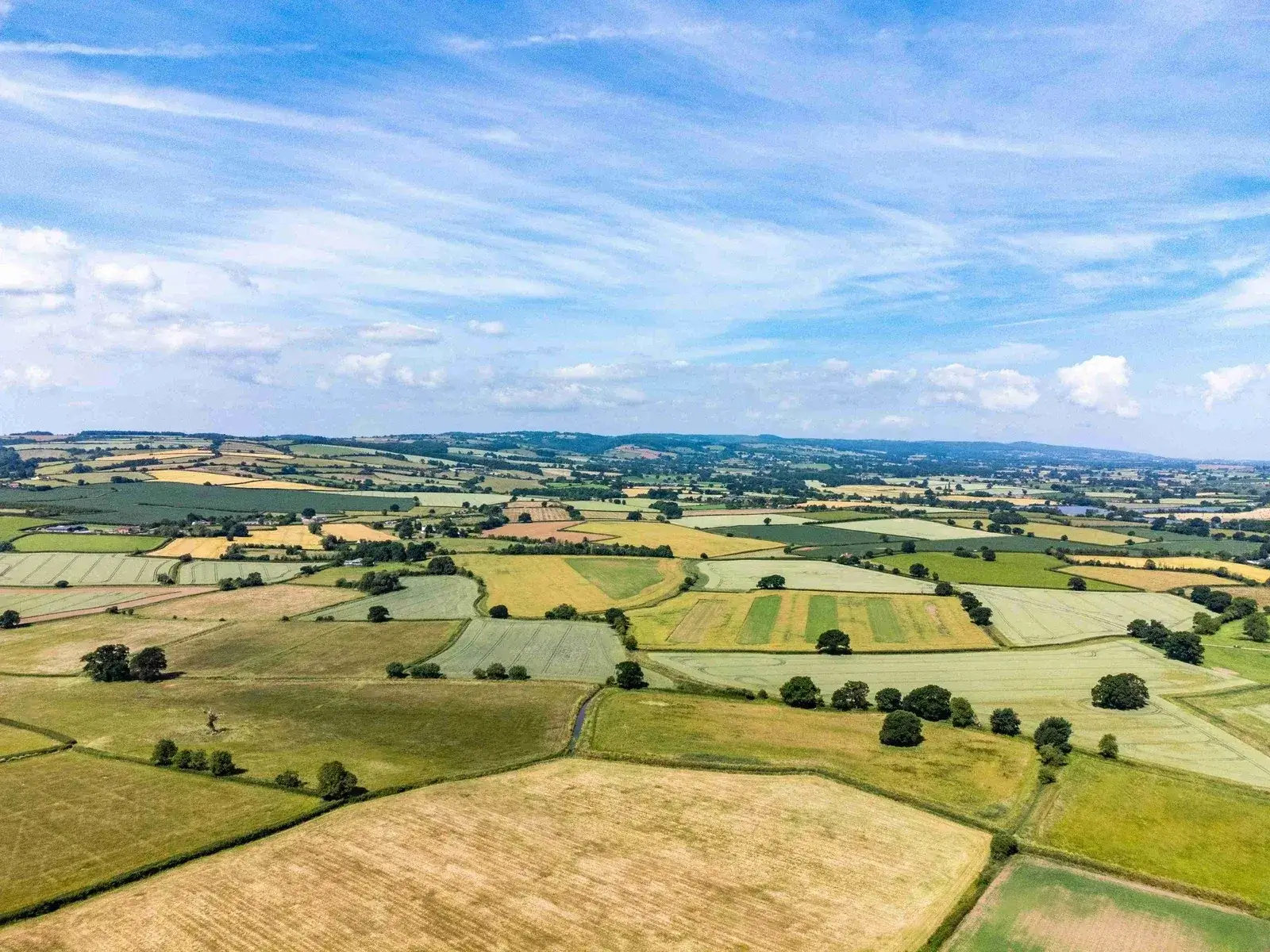
Understanding Green Belt Farmland
Green Belt is a planning designation intended to prevent unrestricted urban sprawl, stop neighbouring towns merging, safeguard the countryside from encroachment, preserve the setting of historic towns and assist urban regeneration. Many farms close to towns, villages and major urban areas sit inside Green Belt boundaries.
For farmers, this designation can make residential, commercial or mixed-use development more difficult, but it does not mean every parcel of land has the same planning prospects. The location of the farm, the relationship with existing settlements, the openness of the land, previous development, access, services and local housing need can all affect how the site is assessed.
Value My Land can help farmers understand whether Green Belt policy is likely to prevent development completely, whether there may be a longer-term Local Plan opportunity, and whether the land should be assessed for potential Grey Belt, previously developed land or strategic land promotion potential.
While Green Belt policy provides substantial protection to open land, councils will typically consider a range of planning, policy and site-specific factors when assessing future development opportunities.
Key Factors Affecting Green Belt Development Potential
Green Belt Policy
Green Belt policy gives substantial protection to open land, but the impact of the designation will depend on the characteristics of the site, the planning context and any future policy changes.
Settlement Relationship
Land adjoining existing housing, urban edges or village boundaries may have a different planning profile from isolated countryside locations. The way a site relates to the existing settlement pattern is often an important consideration.
Local Housing Need
Where councils struggle to meet housing or employment needs, Green Belt reviews and policy changes can become relevant. The Local Plan context can therefore be an important factor.
Access and Infrastructure
Even where policy support exists, development will normally require safe access, utilities, drainage and appropriate infrastructure. Deliverability remains a key consideration.
Landscape and Openness
The effect on openness is central to Green Belt decision-making. Councils will often consider whether development would be visually, physically and spatially contained.
Development Value
Green Belt land may still attract hope value where a credible planning route exists. Understanding the planning position can therefore be important before selling land or entering into development agreements.
Can Green Belt Land Ever Be Developed?
Development in the Green Belt is tightly controlled, and many forms of development are treated as inappropriate unless they fall within recognised exceptions or are justified by very special circumstances. However, national planning policy also recognises particular categories of development that may be acceptable, including certain agricultural buildings, the reuse of permanent and substantial buildings, limited infilling in some situations and other forms of development that preserve openness.
For farmers and landowners, the key issue is often not whether the land is located within the Green Belt, but whether there is a realistic planning route that could support future development. The answer will depend on the specific characteristics of the site, the surrounding area, planning policy considerations and the type of development being proposed.
Value My Land can help farmers distinguish between short-term planning application opportunities and longer-term strategic opportunities, such as promoting land through a Local Plan review, responding to a Call for Sites exercise or engaging with a council Green Belt assessment.
Planning Application Route
Some proposals may be capable of being considered through a direct planning application, particularly where they involve farm-related development, building reuse, limited changes of use, rural diversification or proposals that do not materially harm openness.
Value My Land can carry out an initial planning potential review before you invest in drawings, surveys or professional reports.
Local Plan Route
Larger residential or commercial opportunities often need to be considered through the Local Plan process. This may involve Call for Sites submissions, Green Belt assessment evidence and promotion for allocation.
Value My Land can monitor Local Plan reviews and help farmers decide whether land should be promoted at the right time.
Grey Belt and Green Belt Farmland
Grey Belt is relevant where land lies within the Green Belt but may make a limited contribution to certain Green Belt purposes, or where it includes previously developed land. It does not mean that every Green Belt site becomes developable, and other planning constraints can still be decisive.
For farmers, Grey Belt considerations may be important where land is close to an existing settlement, affected by previous development, visually contained, or less important to the wider strategic function of the Green Belt. The assessment is highly site-specific and should be supported by careful planning evidence.
Value My Land can review whether a farm parcel may have a potential Grey Belt argument, whether there are stronger Local Plan promotion prospects, and whether the land should be positioned for future allocation or a planning application.
Key Grey Belt Assessment Factors
Is any part of the land previously developed?
Does the land strongly contribute to Green Belt purposes?
Would development undermine the remaining Green Belt?
Is there unmet need for housing or employment land?
Is the location sustainable and capable of delivery?
How Green Belt Land May Come Forward Through a Local Plan
Green Belt boundaries can normally only be amended through the Local Plan process, where councils consider future housing and employment needs, infrastructure requirements, settlement growth and exceptional circumstances. Although the process can take several years, it is often one of the most important routes for farmers and landowners with well-located Green Belt land.
The Local Plan Promotion Process:
1. Local Plan Review
The first step is understanding whether the council is reviewing its Local Plan, housing requirements or strategic growth strategy. Emerging policy changes can create opportunities that do not exist under the current plan.
2. Call for Sites
Councils often invite landowners, promoters and developers to submit sites for assessment. A well-prepared submission can help ensure that land is properly considered as part of the plan-making process.
3. Green Belt Assessment
The council will normally assess how the land performs against Green Belt purposes, its relationship to existing settlements, the impact on openness and any planning, environmental or technical constraints.
4. Promotion Strategy
Based on the planning context and site characteristics, a strategy can then be developed. This may involve active promotion through the Local Plan process, responding to consultations, preparing supporting evidence or reviewing alternative routes to development.
Very Special Circumstances and Green Belt Development
Where development is considered inappropriate in the Green Belt, planning permission will normally only be granted if very special circumstances can be demonstrated. This is a demanding planning test and each case is assessed on its individual merits.
The decision-maker must weigh the benefits of the proposal against the harm caused to the Green Belt and any other planning harm. Permission will generally only be granted where the benefits clearly outweigh that harm.
Potential Benefits
Housing delivery, affordable housing, economic growth, employment opportunities, infrastructure improvements, community facilities, environmental enhancements and other public benefits may all be relevant when assessing whether very special circumstances exist.
Green Belt Harm
The decision-maker will consider the impact on openness, the purposes of including land within the Green Belt, landscape character and any wider planning concerns arising from the proposal.
Value My Land Support
Value My Land can help assess whether a very special circumstances case may be realistic, identify the strengths and weaknesses of a site, and advise whether alternative routes such as Local Plan promotion may offer a stronger long-term strategy.
Why Green Belt Status Can Affect Farmland Value
Green Belt designation can have a significant influence on land value because it often limits the scope for residential, commercial and mixed-use development. Where planning prospects are limited, land may primarily be valued for its existing agricultural use.
However, Green Belt status does not automatically mean that development potential is absent. Where a credible route exists through Grey Belt considerations, Local Plan review, Green Belt release, building reuse or another planning strategy, land may still attract hope value and generate interest from promoters or developers.
For farmers and landowners, the key is understanding the planning position before making decisions. Selling too early, accepting an off-market offer or entering into an option agreement without understanding the land's potential can affect the value ultimately achieved.
Value My Land can provide an initial review to help farmers understand whether their Green Belt land may have planning opportunities before important decisions are made.
How We Help Farmers Maximise Land Value
How Value My Land Helps With Green Belt Farmland
Value My Land helps farmers understand whether Green Belt land has realistic planning potential before they sell, grant an option, sign a promotion agreement or spend money on professional reports.
We can assess the site, review national and local planning policy, consider Green Belt and Grey Belt arguments, identify Local Plan opportunities and advise on the best strategy to maximise value while managing planning risk.
How We Help Farmers Maximise Land Value
Related Guides
Explore our practical guides for farmers and rural landowners considering the future of Green Belt farmland. Learn how Grey Belt policy, Local Plan reviews, Calls for Sites and planning applications may affect development prospects, and how location, site suitability and hope value can influence long-term land strategy.
Grey Belt Farmland Guide
Understand what Grey Belt means and how the policy may affect suitable farmland within the Green Belt.
Click hereLocal Plan Allocation Guide
Understand how land is assessed, promoted and considered for allocation through the Local Plan process.
Click hereCan Farmland Be Included in a Local Plan?
See how farmland is considered through Local Plan evidence, Green Belt reviews and site-selection work.
Click hereCall for Sites Guide for Farmers
Find out how and when to submit Green Belt farmland to a council for future development assessment.
Click hereIs My Farm Suitable for Development?
Review the planning, access, environmental and location factors that influence a farm’s suitability.
Click hereAgricultural Land Development Potential
Discover which policy, access and constraint factors may give agricultural land realistic development potential.
Click hereCan Agricultural Land Obtain Planning Permission?
Understand when agricultural land may secure planning permission and the evidence usually required.
Click hereBuilding Houses on Agricultural Land
Explore the planning policy and technical considerations involved in residential development on farmland.
Click hereHope Value Explained
Learn how the prospect of future planning permission can influence the value of constrained farmland.
Click hereFrequently Asked Questions
Free Green Belt Farmland Review
Value My Land can review your Green Belt farmland and advise whether there may be a planning, promotion or development value opportunity.
Can Green Belt Farmland Be Developed?
Find out whether your Green Belt farmland could have development potential and what steps may help maximise its future value.