
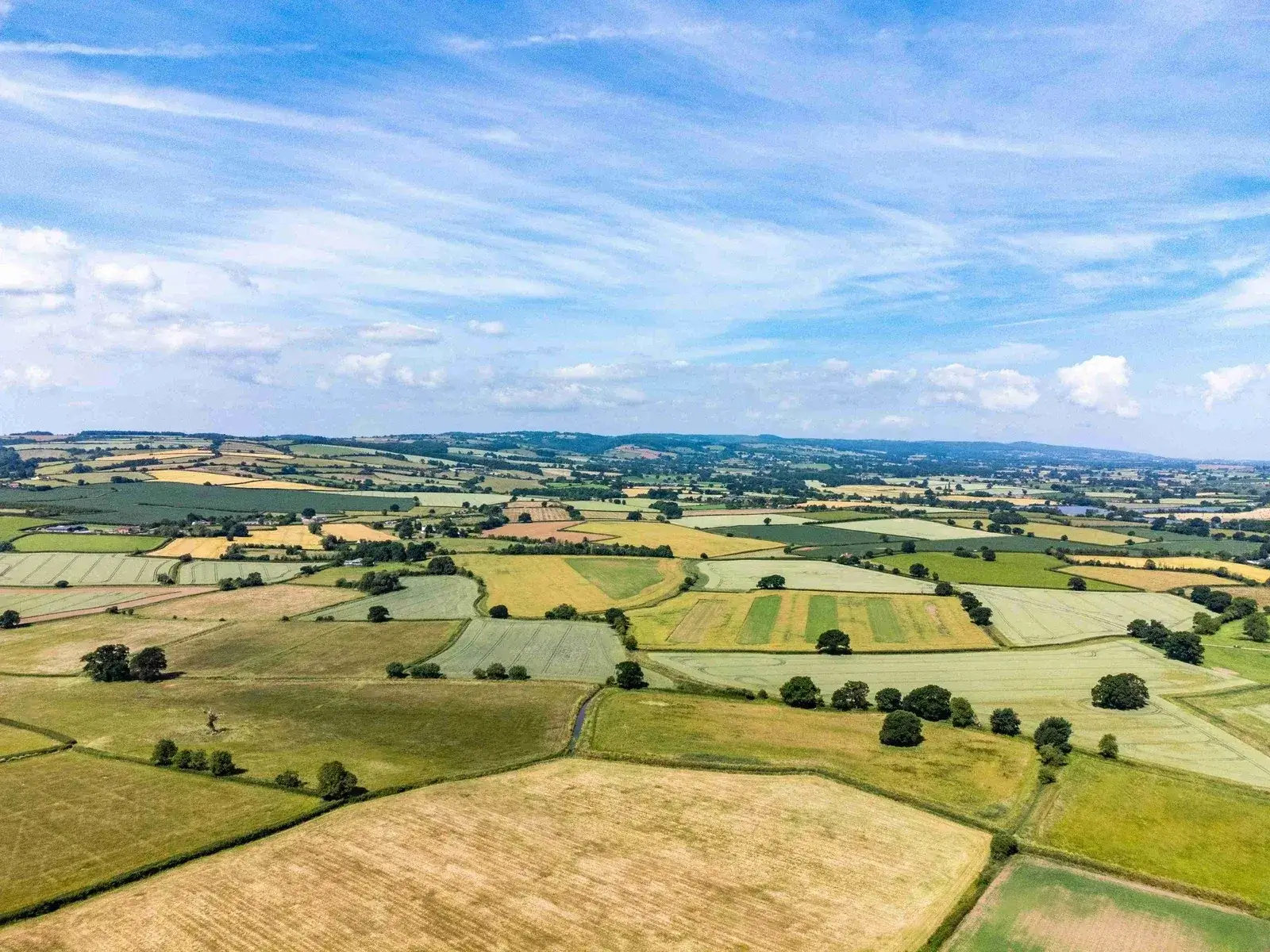
Long-Term Land Reserve
Safeguarded Land Sits Between Immediate Allocation and Permanent Restraint
Its purpose is to avoid repeated Green Belt boundary changes and provide flexibility for needs extending well beyond the current plan period.
Safeguarded land is commonly identified when a council alters Green Belt boundaries. The land is taken out of—or placed outside—the Green Belt for long-term planning purposes but is not included within the settlement or allocated for development now.
The policies map and wording are critical. Some older plans use terms such as “white land”, “areas of development restraint” or “long-term reserve”. The legal and policy effect comes from the adopted plan, not the label alone.
The designation generally improves long-term prospects relative to land retained in Green Belt because the authority has contemplated potential future growth. However, environmental, access, infrastructure, landscape and heritage constraints still need to be addressed before release or permission.
A future Local Plan update should decide whether the land is needed, what use and capacity are appropriate and what infrastructure or policy requirements apply. The landowner should therefore remain engaged rather than assume release will happen automatically.
Safeguarded status can influence value and market interest, but valuation should reflect timing, policy risk, development costs and the absence of an immediate allocation or permission.
Safeguarded land is a long-term policy opportunity, not a promise of planning permission or a current settlement allocation.
Landowner Checklist
Six Questions to Ask About Safeguarded Land
The answers determine whether the site is a realistic next-plan opportunity or a very long-term reserve.
What Does the Policy Say?
Read the adopted wording, site-specific policy and supporting text rather than relying only on map colour.
Where Are the Boundaries?
Confirm whether all or part of the ownership is outside Green Belt, outside the settlement and within the safeguarded designation.
What Triggers Release?
Identify whether only a plan update can release the land or whether the policy contains a specific review or contingency mechanism.
When Is the Plan Reviewed?
Monitor the local plan timetable, spatial strategy and evidence of development need.
What Constraints Remain?
Review access, landscape, flood, ecology, heritage, utilities, infrastructure and agricultural land.
Is the Land Deliverable?
Maintain ownership cooperation, availability, technical evidence and a realistic concept for future development.
Policy Status
How Safeguarded Land Differs From Green Belt and Allocated Land
The three categories serve different purposes and carry different levels of immediate planning support.
Green Belt is intended to remain permanently open and can only have boundaries altered through plan-making, subject to national policy. Safeguarded land is specifically set aside outside the Green Belt for possible longer-term development needs.
Allocated land has policy support for a specified use and approximate scale during the current plan period, although planning permission is still required. Safeguarded land usually has no such immediate support and remains outside the settlement for policy purposes.
Unallocated countryside may have no indication that the council anticipates future development. Safeguarded status therefore represents a strategic distinction, but the adopted policy may still strongly resist premature development.
Check partial designations carefully. A title may contain allocated, safeguarded and Green Belt land. Capacity and value depend on the exact planning boundaries and whether infrastructure can be delivered across the whole ownership.
Green Belt
Long-term openness and restrictive national policy.
Safeguarded Land
Reserved outside Green Belt for potential needs beyond the plan period.
Allocated Land
Identified for a specific development use in the current plan.
Settlement Land
Within a policy boundary but not necessarily allocated.
Unallocated Countryside
Outside settlements with no specific long-term reserve status.
Mixed Designation
One ownership may contain several policy categories.
Release Through Plan Review
When Can Safeguarded Land Become an Allocation?
Release normally requires an updated plan to establish need, strategy, capacity, infrastructure and site-specific policy.
Monitor housing and employment need, delivery performance, infrastructure plans and the council’s long-term spatial strategy. Safeguarded land may become important where existing allocations cannot meet future requirements or a settlement needs a logical next phase.
Submit the land through any Call for Sites even if the authority already knows it. Confirm availability, update the boundary and provide current evidence. Do not assume an earlier safeguarding decision replaces a fresh assessment.
Demonstrate how the site relates to the settlement and existing or planned infrastructure. A coherent expansion with a defensible boundary and deliverable access is more likely to be released than an isolated parcel within a broad safeguarded area.
Where several safeguarded ownerships form one growth area, collaboration and equalisation may be necessary to deliver roads, schools, drainage and open space without creating ransom positions or unfair value distribution.
- Future development need has been established
- Spatial strategy supports growth in the location
- Green Belt and settlement boundaries can be updated coherently
- Access and infrastructure are deliverable
- Environmental effects can be mitigated
- Ownership and land assembly are workable
- Site contributes within the required delivery period
- Sustainability appraisal supports release
Planning Applications
Can Safeguarded Land Be Developed Before the Plan Is Updated?
National policy expects status to change through plan update, so an early application usually faces substantial policy conflict.
Read the adopted policy. It may explicitly state that permission will only be granted following plan review, or it may contain narrow exceptions. National decision-making policy and material considerations also apply at the date of decision.
A five-year housing supply shortfall or other unmet need does not automatically override safeguarded-land policy. The decision depends on the applicable development plan, national policy, location, harms, benefits and weight given to the restraint policy.
Prematurity may also arise where a major proposal would predetermine the scale or location of growth central to an emerging plan. A smaller application can still conflict with the purpose of preserving a coherent future development area.
Before applying, assess whether the proposal would compromise comprehensive development, infrastructure corridors or the value of the remaining safeguarded land. A poorly timed application can make long-term delivery harder.
Adopted Policy
Read the exact restriction and exceptions.
Current NPPF
Apply national decision-making policy in force.
Planning Balance
Assess need, benefits and identified harms.
Prematurity
Consider effects on an emerging strategic choice.
Comprehensive Development
Protect future roads, drainage and infrastructure.
Commercial Impact
Avoid prejudicing wider value and landowner cooperation.
An application on safeguarded land should be a conscious policy strategy, not a belief that removal from Green Belt automatically permits development.
Value and Promotion
How Safeguarded Status Can Affect Land Value
The designation can create hope value, but valuation must reflect uncertainty, timing and the work required before development.
Market interest may increase because the council has identified the land as a potential long-term reserve. The extent of uplift depends on local demand, likely review date, settlement strategy and site constraints.
A valuation should not treat safeguarded land as consented or allocated. Discount for planning risk, promotion costs, infrastructure, affordable housing, abnormal works, timing and developer return. The longer the anticipated release, the greater the uncertainty and finance effect.
Agreements with promoters or developers should preserve landowner alignment and recognise the long-term nature of the process. Consider minimum price, promotion obligations, costs, decision rights and treatment of multiple ownerships with specialist advisers.
Early technical work can add confidence where it resolves access or infrastructure questions, but avoid application-level expenditure before the plan timetable and need justify it.
- Likely timing of the next plan review
- Strength of future development need
- Settlement and infrastructure relationship
- Planning and environmental constraints
- Promotion and technical costs
- Affordable housing and infrastructure obligations
- Ownership and equalisation arrangements
- Residual risk before allocation and permission
Reading the Designation
Check the Policy Wording, Boundary and Conditions for Future Release
Safeguarded land is defined through the development plan. Its practical meaning depends on the adopted policy, proposals map and the long-term strategy that led to the designation.
Obtain the adopted Local Plan policy, explanatory text, policies map, examination report and any earlier Green Belt or growth study. Confirm that the parcel is actually safeguarded land rather than Green Belt, countryside, a safeguarded infrastructure route or another similarly named designation. The policy map and legend should be read with the written policy.
Identify the intended time horizon. Safeguarded land is commonly removed from the Green Belt or otherwise held outside current development needs to meet longer-term requirements beyond the plan period. The policy should make clear that it is not allocated for present development and that its status changes through a future plan review rather than an ordinary application alone.
Check what uses are allowed in the meantime. Some policies apply Green Belt-like restraint; others refer to countryside policy or require proposals not to prejudice future comprehensive development. Temporary, agricultural, recreational or minor development may be acceptable, but permanent fragmentation or infrastructure in the wrong location can reduce later strategic value.
Review the boundary logic and infrastructure assumptions. A safeguarded parcel may have been selected because it forms a logical extension, can create a durable Green Belt boundary or aligns with a future road. Those assumptions may strengthen future prospects, but they may also require adjoining land, comprehensive masterplanning and substantial infrastructure.
Do not assume every safeguarded parcel will be released at the next review. The council must reassess need, alternatives, sustainability, environmental effects and delivery. The landowner should preserve the reasons the land was safeguarded while updating the evidence that it can form an appropriate future allocation.
Exact Policy Status
Distinguish safeguarded land from Green Belt, countryside and infrastructure safeguarding.
Plan-Period Purpose
Identify the long-term need and strategy that justified holding the land.
Interim Uses
Understand development permitted before a future plan releases the site.
Boundary Logic
Review the intended settlement edge and durable Green Belt boundary.
Infrastructure Assumptions
Identify roads, schools, drainage and utilities associated with future growth.
Release Mechanism
Confirm that a plan review, policy change and allocation are normally required.
The designation can signal long-term potential, but it is also an adopted restraint against premature development. Both aspects should inform valuation and strategy.
Long-Term Promotion
Protect the Future Opportunity Without Treating It as a Current Permission
Safeguarded land often requires patient monitoring, evidence maintenance and control of interim decisions that could prejudice the eventual comprehensive scheme.
Track housing and employment need, plan review dates, spatial strategy work, Green Belt assessment, infrastructure plans and neighbouring allocations. The key promotion window may arise years before formal consultation, when the council begins testing options and commissions evidence. Early engagement can help ensure the safeguarded parcel is assessed as a complete and deliverable location.
Maintain ownership and access coordination. Long-term land can become fragmented by gifts, sales, tenancies or uncoordinated options. If a future allocation needs several owners, consider collaboration, access protection and a common evidence base before individual commercial interests prevent a coherent masterplan.
Manage interim development carefully. A building, lease, renewable-energy scheme, drainage feature or utility easement may be acceptable today but occupy the future access, school or housing land. Review duration, termination, reinstatement and location against plausible masterplans. Temporary income should be balanced against long-term development value.
Update technical evidence proportionately. Initial access, flood, drainage, ecology, landscape, heritage and utilities reviews can identify issues that need monitoring. Avoid commissioning application-level surveys many years early where they will expire, but do not allow a known deliverability concern to remain unanswered until the publication plan.
Value the land with scenario and timing risk. Safeguarded status may support hope value, yet release can depend on future need, policy, infrastructure and competition. Agreements with promoters or developers should reflect the likely promotion period, funding, minimum performance obligations and how value will be tested if the strategy changes.
Plan Review Monitoring
Follow evidence commissions, options, calls for sites and consultation milestones.
Ownership Coordination
Protect access and comprehensive development across adjoining parcels.
Interim Land Use
Avoid rights or buildings that obstruct future roads, drainage or development parcels.
Proportionate Evidence
Investigate durable constraints while timing surveys that can expire.
Infrastructure Engagement
Track provider plans and funding routes that may enable release.
Commercial Review
Use agreements and valuations that reflect long-term uncertainty and performance.
The best strategy often combines restraint and preparation: preserve the land physically, keep the planning case current and act decisively when the next spatial strategy is formed.
Valuation Scenarios
Separate Existing Use, Hope Value and Future Development Value
Safeguarded status can influence market expectations, but valuation should reflect policy restraint, timing, infrastructure and the probability of future release.
Begin with the value of the land in its lawful existing use and any income from farming, occupation or interim activity. Then consider whether the designation creates a market-recognised prospect of later allocation and what evidence supports that probability. Avoid treating the eventual residential land rate as a present value.
Model timing and costs. A future review may be several years away, followed by allocation, permission, obligations and infrastructure. Discounting, promotion expenditure, affordable housing, access, utilities and delivery risk can materially reduce present hope value even where the long-term planning logic is strong.
Review offers and agreements carefully. An option payment or headline percentage may not reveal the price assumptions, deductions, minimum obligations or control period. Compare an outright sale, promotion agreement, option and retained strategy against realistic planning scenarios and obtain independent valuation and tax advice.
Landowners should also monitor changes in the purpose of the wider area. A future spatial strategy may favour a different settlement direction, higher-density station growth or infrastructure corridor. Safeguarded status provides a reason to assess the land, not immunity from strategic change. Periodically test whether the original boundary logic remains persuasive and whether collaboration with adjoining land would create a more resilient long-term option.
Retain a dated strategy note explaining why the land remains available and how interim management protects future access, infrastructure and comprehensive planning. This can accompany later Call for Sites submissions and reduce the risk that the authority treats a long period without active development as loss of landowner commitment.
- Existing lawful use and income
- Policy basis for future release
- Likely plan-review and permission timing
- Promotion and infrastructure expenditure
- Probability and capacity scenarios
- Agreement deductions and independent valuation
Safeguarded land can attract hope value without being current development land. The distinction should remain clear in negotiations, accounts and tax advice.
How Value My Land Can Help
Protect and Advance the Long-Term Opportunity
Value My Land can confirm the safeguarded boundary, policy wording, Green Belt status and likely Local Plan review route.
We can assess the settlement relationship, principal constraints and evidence needed to maintain the site as a credible future allocation.
Where early development is being considered, we can explain the policy risks and whether an application or continued plan promotion is more proportionate.
Our Initial Review Can Include
- Policies map and safeguarded-land boundary review
- Assessment of adopted and emerging policy wording
- Monitoring of Local Plan review and development need
- Initial access, constraints and infrastructure review
- Future allocation and Call for Sites strategy
- Development value and land agreement considerations
Official Planning and Legal Sources
The following official sources provide the current statutory or policy context. Always check the version and transition arrangements that apply to the particular council, plan or application.
August 2026 National Policy
The Final August 2026 Green Belt and Grey Belt Framework
Green Belt protection remains based on openness and permanence, but the final NPPF creates clearer rules for parcel assessment, previously developed land, grey belt, station-related growth and the Golden Rules.
Use the Final Grey Belt Definition
Grey belt comprises previously developed Green Belt land and/or other Green Belt land that does not strongly contribute to purposes A, B or D. Protected habitats, landscapes, heritage assets and flood-risk areas are no longer exclusions from the definition itself; they remain separate and potentially decisive policy tests.
Assess the Correct Parcel Against Annex E
The assessment area should be sufficiently granular to reveal genuine variations. Purpose A concerns unrestricted sprawl of large built-up areas, purpose B the merging of neighbouring towns, and purpose D the setting and special character of historic towns. A parcel should not be drawn simply around the preferred development footprint.
Identify the Correct GB7 Route
GB7 separately covers agriculture and nature conservation, qualifying building works, village infill, local affordable housing, previously developed land, specified operations and facilities, grey-belt development with evidenced unmet need, and development near a well-connected station. The tests are not interchangeable.
Apply the GB8 Golden Rules Where Required
Relevant major housing must provide the required enhanced affordable housing, necessary infrastructure and accessible green space. The likely contributions and restricted viability route should be reflected in land-price expectations and promotion terms from the outset.
A grey-belt conclusion is not a planning permission. The proposal must still satisfy the applicable GB7 route and the remaining national decision-making policies, including access, transport, flood risk, ecology, landscape, heritage, design, infrastructure and living conditions.
Read the National Planning Policy Framework published on 17 August 2026.
Related Guides
These pages address the neighbouring issues without duplicating the specific problem covered by this guide.
Building on Green Belt Land
Understand the designation from which safeguarded land is often released.
Read guideGreen Belt Land Value Guide
Compare value and planning risk before release.
Read guideLocal Plan Allocation Guide
Follow the route from long-term reserve to current allocation.
Read guideSettlement Boundaries Guide
Understand why safeguarded land usually remains outside the settlement.
Read guideCall for Sites Guide
Resubmit and update the land during plan review.
Read guideEngland Local Plan Tracker
Monitor the authority’s next review and consultation stages.
Read guideIs My Land Suitable for Development?
Review access, policy and environmental constraints.
Read guideSustainable, Available and Achievable Sites
Maintain a credible delivery case for future release.
Read guideLand Value With Planning Permission
Understand why safeguarded status differs from permission value.
Read guideFrequently Asked Questions About Safeguarded Land
Is safeguarded land the same as Green Belt?
No. Safeguarded land is generally outside the Green Belt and reserved for possible longer-term development. Check the adopted policies map because terminology and partial boundaries can vary.
Is safeguarded land allocated?
Normally no. Current national policy states that it should be made clear safeguarded land is not allocated at present and does not form part of settlements, with status changing only when a plan update proposes release.
Can I obtain planning permission now?
Possibly only in exceptional or policy-supported circumstances. An application usually faces conflict with the adopted purpose of holding the land for later review. Assess the exact policy, national decision-making framework and planning balance.
Does removal from Green Belt increase value?
It can increase long-term hope value because one major policy constraint has changed, but the land remains unallocated and subject to planning, infrastructure and timing risk. It should not be valued as consented development land.
Will safeguarded land automatically be released at the next review?
No. The council must establish need, choose a spatial strategy, assess alternatives and determine that the site is suitable and deliverable. Maintain current evidence and engage in the review.
Should I submit it through a Call for Sites again?
Usually yes where the council invites submissions. This confirms availability, updates evidence and ensures the current boundary and development concept are considered.
Can only part of safeguarded land be released?
Yes. A plan may allocate a logical phase or part of a wider reserve. Access, infrastructure, landscape and landownership often determine the appropriate boundary.
What if several landowners control the safeguarded area?
Early collaboration, infrastructure and equalisation arrangements may be essential. Without them, access, schools, open space or value distribution can undermine delivery.
What evidence should be prepared?
Start with planning policy, access, flood and drainage, landscape, ecology, heritage, utilities, infrastructure, ownership and a realistic capacity. Scale the work to the plan stage.
Can Value My Land review safeguarded land?
Yes. We can identify the policy status, review the future plan route and assess whether technical or commercial work is justified now.
Do You Own Safeguarded Land?
Send us the site location and Local Plan policy. We can confirm its current status, likely review route and the evidence needed to protect its longer-term development potential.
Request Your Free Land Review