
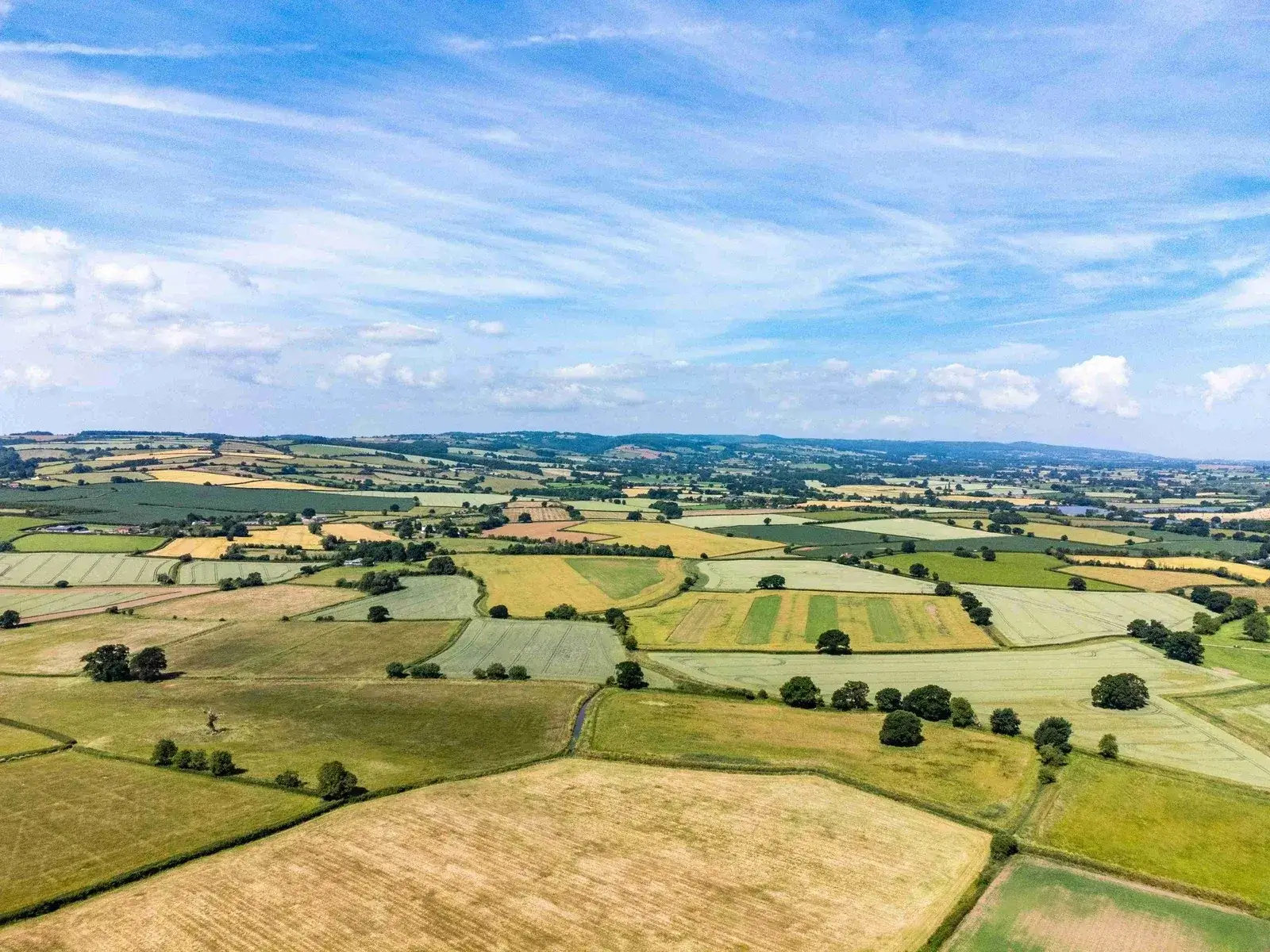
Countryside background for Value My Land guidance

Submissions open until further notice

Call for Sites Somerset

Could Your Land Be Used for Future Development?

Somerset Council has reopened its Call for Sites so more land can be suggested for future development. The council says submissions will remain open until further notice.[1]

We can review your field, yard or other land and explain whether it may be worth putting forward. You do not need planning knowledge or a set of building plans to contact us.

No fixed closing date.

Free Somerset Land Review

Free advice to help you decide what to do next. No obligation.

This form sends your details to Value My Land. It does not send them to the council.

A guide for landowners

Somerset Call for Sites: what it means for your land

The council is gathering ideas about where homes, businesses and other development could go. This is called a Call for Sites. Putting your land forward lets the council consider it alongside other land. We can explain what information would help and whether your idea needs a closer look before you submit it.

Council: Somerset Council.

Missed the earlier window?
The council has reopened submissions for additional sites after its earlier Call for Sites.[1]
When would the land be assessed?
Sites submitted in the reopened period will be considered for the next version of the council’s land-assessment report.[2]
Will the portal stay open forever?
No. The council says it is likely to close again before a later Local Plan consultation.[1]

Putting land forward is not a planning application and does not give permission to build. The council must still assess the land and make its own decisions.

Where to start

Start with the part of your land you would consider developing

You may have a field beside a village, spare land around buildings or an unused yard. You do not have to put forward an entire farm or holding. Show us the part you are considering and tell us what you would like to keep.

We would look at how the land connects to the road and nearby services, together with any buildings, trees or wet areas. A smaller area or a different use may be more realistic. The first step is understanding the land, not deciding how many homes to fit on it.

Not sure where to start?

Could your land in Somerset have development potential?

Use our free Land Development Assessment Tool or ask us to look at your land. We can explain what might be possible and what needs a closer look. You do not have to use our services afterwards.

A closer look at your land

What would we look at on your land in Somerset?

These are the things we would look at when reviewing your land. They are not a council decision or a promise that you can build. We explain what is known and what may need further investigation.

Which part of the holding makes sense?

We would ask which land you are willing to make available and how you use the rest. A proposal should not leave the remaining holding without useful access. We can help you think through a sensible boundary before preparing a map.

Road access and everyday journeys

We would look at the entrance and how people could reach shops, schools and other services. A field gate or narrow lane may need a closer look. Tell us whether you own the land between the proposed site and the public road.

Water and drainage

Tell us about standing water, ditches, streams and any history of flooding. We can review the available maps and identify where more advice may be needed. We would not assume water can be discharged onto a neighbour’s land or into a nearby ditch.

Land that needs to stay open

Trees, wildlife areas, footpaths and the character of the surrounding countryside may affect an idea. We can check what is recorded and discuss how the plan could allow for it. Some land may be better kept open rather than included in the building area.

Putting your land forward

What do you need to send to the council?

Use the portal linked from Somerset Council’s Call for Sites page and read its submission guidance. The guidance explains the questions and documents required. Keep your own copy of the completed information and the confirmation that it was sent.[1]

  1. Show where your land is

    Use a clear map showing the edges of your land, any buildings and the entrance from the road. Give the total land size. Show any extra land needed for access, drainage or water and electricity connections, and say who owns it. A postcode alone does not show the exact land you are putting forward.

  2. Explain what you have in mind

    Say what you think the land could be used for, such as homes or business premises. Explain whether you are putting forward all of it or only part. Leave room for roads, drainage, trees and other features when suggesting how much could be built. Do not assume every part can be built on.

  3. Say who owns and uses the land

    Give details of the owner and anyone currently using the land. Explain when it could become available. Mention any tenant, business or agreement that could affect this. If you act for the owner, make that clear. Do not say a neighbour’s land is available unless this has been confirmed.

  4. Gather the information you already have

    Find any previous council letters, plans or reports about access, flooding, drainage, wildlife, historic buildings or ground conditions. Say what is known and what still needs checking. You do not need to order every possible report before asking us for help. We can explain which information is most useful.

  5. Use the council’s current form

    Follow the council’s instructions and check which plans and documents it asks for. Make sure the form and maps all describe the same land and idea. Gather anything missing and ask which assessment update can consider the land. An old form or a saved draft may not be enough.

  6. Keep proof that you sent it

    Save the completed form, maps and other documents, along with the council’s confirmation or reference number. Check that you have actually sent the form rather than just saved it. Keep copies of any later changes. Contacting us is separate from sending your details to the council.

This checklist helps you prepare. You may not need everything at the start. The council’s form explains what you must send.

Help at each stage

How Value My Land can help you

For Somerset landowners, we can help choose a sensible area to put forward, explain the main issues and prepare the information the council asks for. Where land has already been assessed, we can help you understand the result.

A free first look at your land

We look at maps and the information available about your land. We consider nearby development, road access, planning rules and issues such as flooding. We then explain whether it is worth looking into further. You do not need planning permission or a finished set of plans to contact us.

A clear plan for the next steps

We can help you decide what the land might be used for and which part has the best chance of being developed. We explain the options, likely difficulties and next steps. Some land may need to be considered through the council’s longer-term plans.

Help putting your land forward

We can help prepare the council’s form, a map of your land and an explanation of why it should be considered. Before we start, we agree the work, who will do it and the timescale. Sending us an enquiry does not mean we have agreed to submit your land.

Arranging any specialist reports

Some land needs a closer look at road access, flooding, drainage, wildlife or its effect on the surrounding area. We can arrange the right specialist help where needed. We explain which checks matter most before you commit to a large set of reports.

Help with the cost of planning

For suitable land, we may agree to pay for and manage the planning work at our own cost and risk. You keep ownership of the land. We explain our fee, any costs to be repaid and the terms before you decide. This is called a land promotion agreement.

Support after your land is submitted

If we agree to continue working together, we can review the council’s comments and help you respond. We can also help update your plans or provide more information. Where the planning outcome makes a sale possible, we can help consider marketing the land to developers.

The first review is free. Further work and any fees or agreement must be discussed separately. We cannot promise that the council will choose your land, grant planning permission or accept a late form. We also cannot guarantee a sale price.

Let us help with the paperwork

Need help putting your land forward in Somerset?

Tell us where your land is and roughly how large it is. We can look at the opportunity and explain how we could help you put it forward. Our form contacts Value My Land; it does not send your land details to the council.

Help with planning costs

Could we pay for the planning work on your land?

Putting your land forward can be the first step towards getting planning permission. For suitable land, we can agree to pay for and manage the planning work at our own cost and risk. This can include preparing plans, arranging reports and dealing with the council. You keep ownership of the land.

If the planning work succeeds, the land can be offered for sale to developers. Our agreed fee and the costs set out in the agreement are paid from the sale money. Before work starts, we agree how costs, decisions and any future sale will be handled.

We do not fund every site. We first look at the land and discuss what may be possible. Any funding arrangement must be agreed separately. You should ask your own solicitor to advise you before signing a land promotion agreement.

After you send your details

What happens after you put your land forward?

Keep your submission reference and follow the council’s published assessment reports. Somerset says it will not provide individual feedback to every submitter; the results will be brought together in its published reporting. Do not assume that silence means the land has been accepted for development.[1]

Understand the council’s response

When the council gives its view, read the reasons as well as the result. It may have the wrong boundary or old information, or it may raise a problem that needs more work. We can help you understand its comments and decide how to respond.

Decide what to do next

The next step might be to provide more information, suggest a smaller building area or consider a different use. It may also be sensible to take a different approach. We can discuss the options and agree any further work with you. We cannot promise that the council will choose your land.

Your questions answered

Questions about the Somerset Call for Sites

Can I still put land forward in Somerset?

The council has reopened its portal on a rolling basis until further notice. Check that the portal is still accepting submissions before starting.[1]

Does “potentially suitable” mean I can build?

No. Somerset’s first assessment is an early screening exercise. It does not give the land planning permission or select it for development.[1]

Will the council give me a personal answer about my land?

Somerset says individual feedback will not be given to every submitter. Assessment results will be reported together. We can help you find and understand the entry for your land.[1]

Does your form send my land details to the council?

No. Our form only sends your details to Value My Land. You still need a separate council submission. We must agree any work before acting for you. Contacting us does not extend the council’s deadline or mean your land has been put forward.

What do you need for a free review?

Start with the postcode or location and the approximate size of the land. Tell us whether you own it or are acting for the owner. We will explain what else would help. There is no need to send private legal or financial documents with your first enquiry.

Can you promise that the council will choose my land?

No. We can explain the strengths of your land, any problems and the work that may help. The council makes its own decision. A review does not guarantee that your land will be chosen or that you will get planning permission.

Can you put my land forward for me?

We can discuss helping with the council submission, depending on the land and the time available. We first need to agree the work, responsibilities and terms. Sending an enquiry or using our tool does not mean we have agreed to submit your land.

Will I have to pay for the planning work?

The first review is free and you do not have to take things further. For suitable land, we may agree to pay for and manage the planning work at our own cost and risk. Our fee and agreed costs are then paid from the land sale money, under the terms of a separate agreement.

Can I try the free tool before contacting you?

Yes. Our Land Development Assessment Tool gives you a first look at what might be possible. You can then contact us to discuss the result. The tool does not give planning permission or send your land details to the council. Further checks may be needed.

Free land review. No obligation.

Let’s discuss your land in Somerset

Tell us where your land is and roughly how large it is. We will look at the details and explain what you could do next. We can discuss whether you need a first review, help with the council’s form or longer-term planning support.

You do not need to pay for reports before contacting us. We can discuss any existing plans or council letters after your first enquiry.

0800 061 4006info@valuemyland.com
Value My Land
13 Ensign Business Centre, Westwood Way
Coventry, CV4 8JA

This form contacts Value My Land, not the council. We must agree any further work with you. Sending this form does not submit your land to the council or reserve a place in an assessment.

Useful council links

Council information and more help

  1. [1]Somerset Council: rolling Call for Sites and submission guidance
  2. [2]Somerset Council announcement: reopened submissions and future assessments

This is a Value My Land guide, not a council website. The practical advice and descriptions of our services are our own. Use the council links for its requirements. Dates, forms and submission arrangements can change.