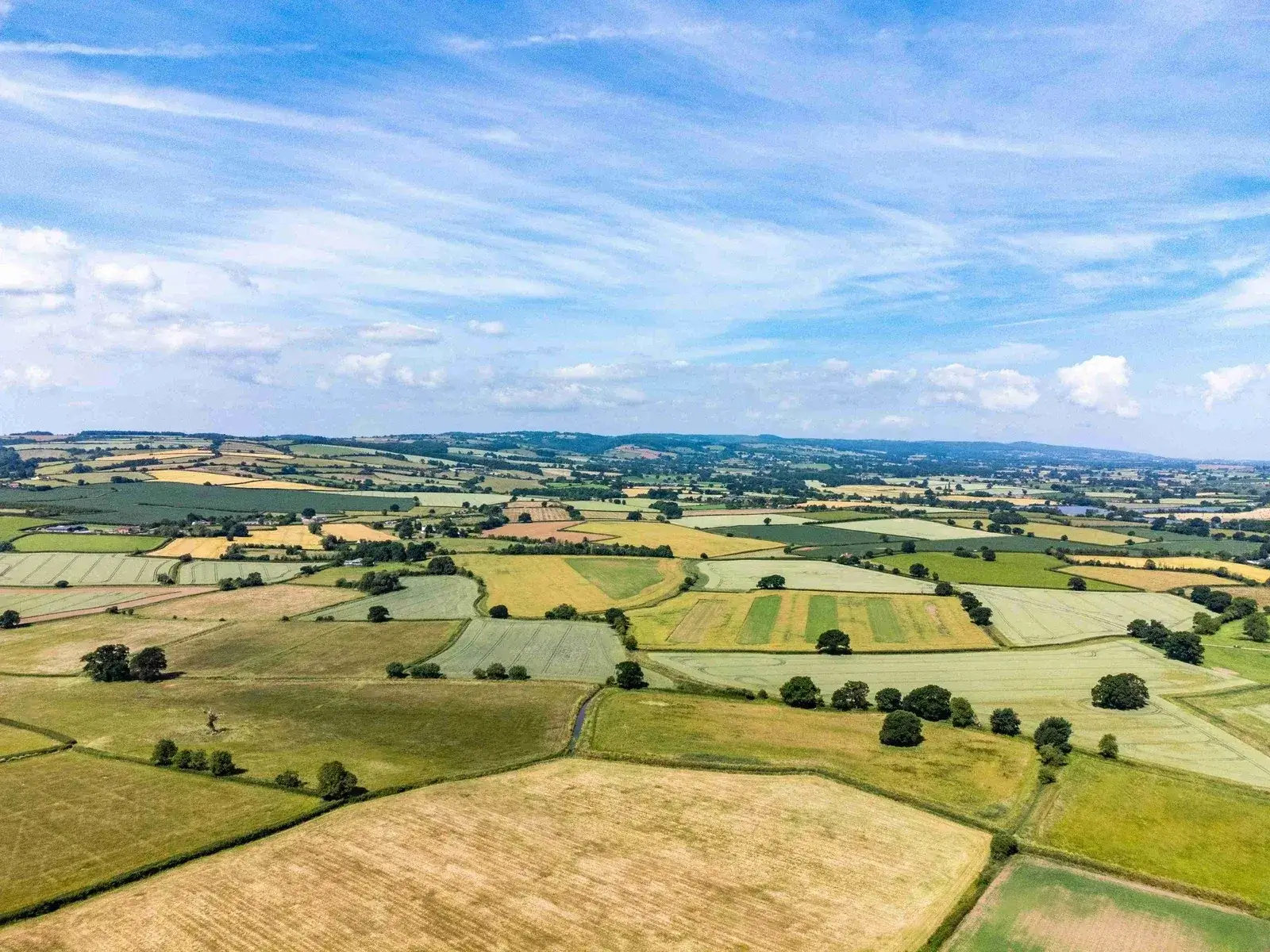
The Main Drivers of Farmland Value
For farming purposes, land value is influenced by acreage, soil quality, location, access, drainage, tenure arrangements and productive capacity. However, where land has potential for development, a different set of value drivers often becomes increasingly important.
Development value is heavily influenced by planning prospects, Local Plan allocation, settlement proximity, housing need, access, available services, infrastructure capacity and the ability to deliver a viable development scheme. As planning prospects improve, land may begin to attract interest from developers, promoters and investors, creating additional value beyond its agricultural use.
A field located next to an existing settlement with suitable access and limited planning constraints may be worth significantly more than remote agricultural land, even where both parcels are currently used for the same farming purpose.
Some of the main factors that can influence farmland value include:
Planning Permission
The grant of planning permission can significantly increase land value by opening the opportunity for residential, commercial or mixed-use development.
Local Plan Allocation
Land identified for future growth through a Local Plan or other planning policy process may attract greater interest from developers and promoters.
Settlement Location
Land adjoining existing towns and villages is often viewed more favourably than isolated countryside locations due to its relationship with existing communities and services.
Highway Access
Suitable and safe access is frequently a key requirement for development and can have a major impact on land value.
Low Planning Constraints
Sites with fewer flood risk, ecological, heritage, landscape or technical constraints may have a clearer route through the planning process and therefore stronger value prospects.
Services and Infrastructure
Proximity to schools, shops, public transport, utilities and other infrastructure can improve a site's attractiveness and potential value.
Planning Permission and Development Potential
The single most important factor that can increase farmland value is often the prospect of planning permission. Agricultural land with no realistic development route will normally be valued by reference to farming use, soil quality, productive capacity and comparable farmland sales. Land with a credible planning opportunity may be valued very differently.
Planning permission for housing, employment land or mixed-use development can create a substantial uplift because the land is no longer being assessed only as a farm asset. It becomes a development opportunity. Even before planning permission is granted, land may attract hope value if developers, promoters or housebuilders believe there is a reasonable prospect of consent in the future.
This is why farmers should avoid assuming that a field is worth only agricultural value simply because it is currently farmed. The planning position, surrounding development pattern and long-term growth strategy for the local area can all materially affect value.
Planning factors that can increase value
Outline or full planning permission for residential or commercial development.
Allocation in an adopted or emerging Local Plan.
A positive HELAA, SHELAA or land availability assessment.
Submission through a Call for Sites exercise.
Evidence of housing need or local housing land supply pressure.
Location, Access and Settlement Relationship
The location of farmland is often one of the most important factors affecting value. While agricultural productivity remains important, land situated close to existing settlements, services and infrastructure may attract additional interest where there is potential for future development.
Edge-of-Settlement Location
Land located adjacent to towns, villages or existing residential areas may be viewed more favourably because it can represent a natural and logical extension to the settlement. Sites that relate well to the existing built environment are often considered more sustainable than isolated countryside locations.
Access and Connectivity
Suitable access is a key consideration for both agricultural operations and future development. Land with direct road frontage, established access points or realistic opportunities to create safe access may be more attractive than land with limited access options or third-party constraints.
Proximity to Services
The availability of nearby services and facilities can influence both planning prospects and market appeal. Schools, shops, public transport, employment opportunities, healthcare facilities and community services can all contribute to the long-term attractiveness of a location and may help support future development proposals.
Planning Potential is Often the Biggest Factor
For many farmers and landowners, planning potential can be the single most important factor influencing land value. While agricultural value is generally linked to farming use and productivity, development potential can create opportunities for significantly higher values where a site has a realistic prospect of future planning permission.
Even where planning permission has not been secured, factors such as location, Local Plan promotion, housing need and settlement relationship can generate additional value through hope value and future development prospects.
For this reason, farmland should not always be assessed solely by reference to agricultural land sales. Where there is credible development potential, a wider review of planning prospects may be necessary to understand the land's true market position and long-term value.
The right planning strategy can make a major difference to the value achieved.
Local Plan Promotion and Call for Sites
Farmland value can increase when a site becomes part of the planning conversation. This may happen through a Local Plan review, settlement boundary review, Call for Sites exercise, HELAA, SHELAA or strategic land availability assessment.
Submitting land does not guarantee allocation or planning permission, but it can be an important first step. A well-prepared submission can show that the land is available, achievable, deliverable and capable of contributing to local housing or employment needs.
Where land is promoted successfully and then allocated, developers may have greater confidence that the site has a route to planning permission. That increased confidence can support a higher land value.
Reducing Constraints Can Improve Value
Farmland with fewer constraints is usually easier to promote, easier to sell and more attractive to developers. Constraints do not always prevent development, but they can affect the amount a buyer is willing to pay because they increase risk, cost and timescale.
Important constraints include flood risk, protected species, mature trees, landscape sensitivity, heritage assets, public rights of way, pylons, drainage issues, access limitations, restrictive covenants and ransom strips.
Understanding these matters early can help landowners decide whether further technical work is worthwhile and whether a planning strategy could improve value before disposal.
Other Factors That Can Increase Farmland Value
While planning potential is often the biggest driver of uplift, several practical, legal and market factors can also influence the price achieved by a farmer or landowner.
Clear Ownership
Registered title, clear boundaries and no unresolved ownership issues can make land easier to sell.
Vacant Possession
Tenancies, grazing licences or occupation rights can affect timing, value and deliverability.
Utilities Capacity
Water, foul drainage, electricity and broadband availability can support development viability.
Developer Demand
Competition between promoters, developers and housebuilders can improve the price achieved.
Market Timing
Selling at the right stage of the planning cycle can materially influence land value.
Site Shape
Regular-shaped sites are often easier to design, service and phase.
Retained Land Strategy
Careful parcel selection can protect future value across the rest of the farm.
Promotion Agreement
A promoter-funded route may help unlock value without upfront planning costs for the farmer.
How Value My Land Helps Increase Farmland Value
Value My Land can assess your farm, identify the strongest development parcels, review planning policy, advise on Local Plan promotion or planning applications, and help you understand how to maximise value before selling.
How We Help Farmers Maximise Land Value
Frequently Asked Questions
Free Farmland Review
Value My Land provides a free initial assessment for farmers who want to understand planning potential, development value and the best route to maximising land value.
Find Out What Could Increase Your Farmland Value
Contact Value My Land today for a free, no-obligation review of your farmland, including planning potential, land promotion options and possible development value.