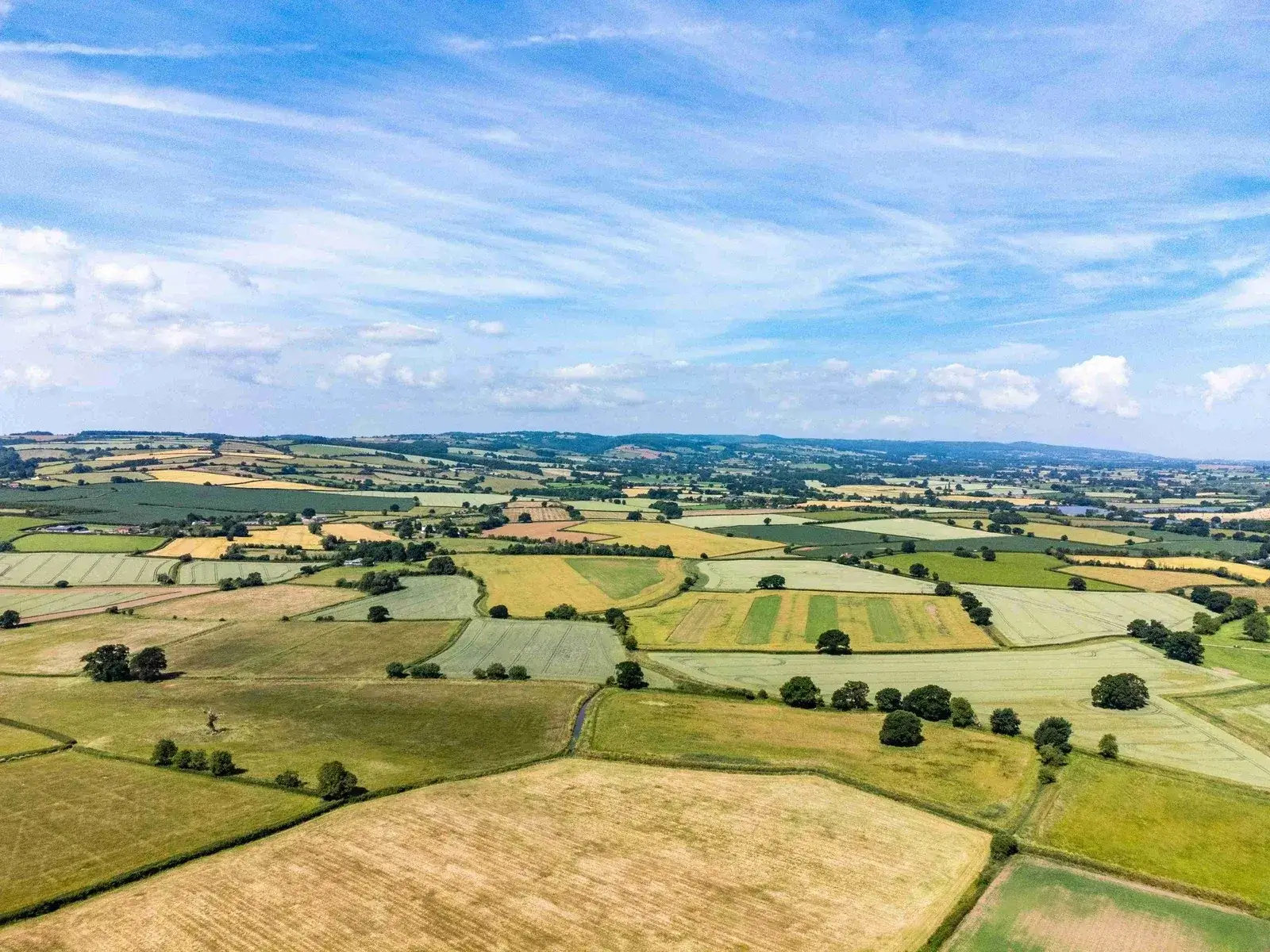
How to Identify Whether Farmland Could Be Developed
Farmland with development potential is land that may have a realistic prospect of being used for housing, mixed-use development, employment land, care accommodation, community uses or supporting infrastructure in the future. For many farmers, the most important issue is not simply whether a field is currently in agricultural use, but whether it is capable of becoming part of a wider planning strategy.
Development potential is normally influenced by a combination of planning policy, Local Plan direction, housing land supply, access, services, flood risk, ecology, landscape sensitivity, neighbouring uses and market demand. A single constraint does not always rule out development, but it may affect viability, layout, density, timescales and the most suitable route to value.
Value My Land can help farmers review these issues before they sell, promote or commit to a planning application. Our initial assessment considers whether there may be a credible planning route and whether the land could be worth more than its agricultural value.
Key Indicators of Development Potential
Location and Settlement Relationship
Land next to or close to an existing village, town edge or built-up area can be more attractive than isolated countryside land. Value My Land can review how your fields relate to nearby development, services, facilities and settlement boundaries.
Planning Policy and Local Plans
Current and emerging Local Plans can have a major effect on development prospects. We can assess whether your land sits in an area where the council may need new housing sites, village extensions or strategic growth land.
Access and Highways
Safe and suitable access is often essential. Value My Land can consider whether an existing farm access, field gate, road frontage or adjoining land could provide a realistic route into the site.
Housing Need and Land Supply
Areas with housing pressure or limited deliverable land may create opportunities for suitable farmland. We can review whether housing need, land supply issues or Local Plan delays may improve your prospects.
Constraints and Mitigation
Flood risk, ecology, trees, landscape, heritage, public rights of way and utilities can all influence development potential. Value My Land can identify the main issues early so you understand what may need further technical review.
Development Value Potential
The gap between agricultural value and development land value can be substantial. We can help you understand whether your land may have hope value, strategic land value or a stronger route towards planning-led uplift.
What Makes Farmland More Likely to Have Development Potential?
Farmland is more likely to have development potential where it forms a logical extension to an existing settlement, has access to the highway, is not heavily constrained and can help meet local housing or infrastructure needs. Land on the edge of a village, beside existing housing, close to schools, shops, public transport or employment areas may deserve careful assessment.
Development potential can also arise where a council is reviewing its Local Plan, has a shortage of deliverable housing land, is inviting Call for Sites submissions, or needs to identify land for future growth. Even if planning permission is not available immediately, strategic promotion may improve the position over time.
Value My Land can review your land against these indicators and explain whether the opportunity appears short-term, medium-term or longer-term. This helps farmers avoid underselling land that may have future value.
Positive Signs to Look For
Why Development Potential Matters for Farmers
Farmland is often valued by reference to its existing agricultural use. However, where there is a credible planning route, land may carry hope value, strategic land value or full development value. This can be highly important for succession planning, retirement, reinvestment, debt reduction, diversification, farm restructuring or deciding whether to release only part of a holding.
The greatest risk for many landowners is making a decision before the planning position is understood. A farmer may receive a direct approach from a developer, neighbour or investor, but the first offer is not always the best reflection of the site’s potential. Value My Land can provide an independent initial view before you commit to a sale, option, promotion agreement or overage arrangement.
Planning Progress Can Increase Land Value
Routes to Unlocking Development Potential
There is no single route that suits every farm. Some land may be suitable for a planning application, some may need to be promoted through the Local Plan, and some may be best held while evidence is gathered. Value My Land can help you compare the options before you spend money or sign legal documents.
Planning and Development Options
Initial Land Review
A first-stage review of location, planning policy, access and constraints to identify whether the land deserves further investigation.
Call for Sites
Submitting land to the council when sites are invited can help establish future development potential through the Local Plan process.
Planning Promotion
A promoter can fund and manage the planning process, usually recovering costs only if planning value is successfully unlocked.
Sale Strategy
Once planning prospects are understood, the farmer can consider whether to sell now, wait, promote, or negotiate protection such as overage.
Agricultural Value, Hope Value and Development Value
Agricultural value usually reflects the land’s existing farming use. Hope value may arise where there is a chance of future planning permission, even if permission has not yet been granted. Development value is usually associated with land that has a clear planning route, allocation or permission for residential or commercial development.
The difference between these values can be significant, especially where a field is capable of forming a sustainable extension to a settlement. Value My Land can help farmers understand which value category may apply and whether the land’s planning prospects justify further work.
Why Early Advice Can Protect Landowners
Early advice can reduce the risk of agreeing a sale at the wrong price, entering into unsuitable terms or missing a Local Plan opportunity. It can also help farmers decide which field, yard or parcel should be assessed first and whether technical work is likely to be worthwhile.
Value My Land can provide a free initial review before you speak to developers, agents or solicitors, helping you understand the likely planning position and the questions you should ask before moving forward.
How Value My Land Can Help
Value My Land helps farmers understand whether their land has development potential and what steps may be available to maximise value.
We can review planning policy, assess site constraints, consider Local Plan opportunities, advise on planning applications, and explain whether land promotion may be suitable.
Where appropriate, land promotion can allow a site to be promoted through the planning system without the farmer funding all planning costs upfront. This can be particularly useful where the land has long-term potential but requires planning, technical, legal and market work before value is fully realised.
Our role is to help you make an informed decision before selling, waiting, promoting or entering into an agreement with a developer.
How We Help Farmers Maximise Land Value
Frequently Asked Questions
Free Farmland Potential Review
Value My Land provides a free initial review of your farmland, planning prospects and potential development value.
Whether you own one field, several parcels, a yard, paddock, redundant buildings or a wider agricultural holding, we can help you understand whether there may be a route to development value.
Find Out Whether Your Farmland Has Development Potential
Understanding planning policy, land value, development constraints and the correct promotion strategy could be the first step towards unlocking the full potential of your farmland. Contact Value My Land today for a free initial review.