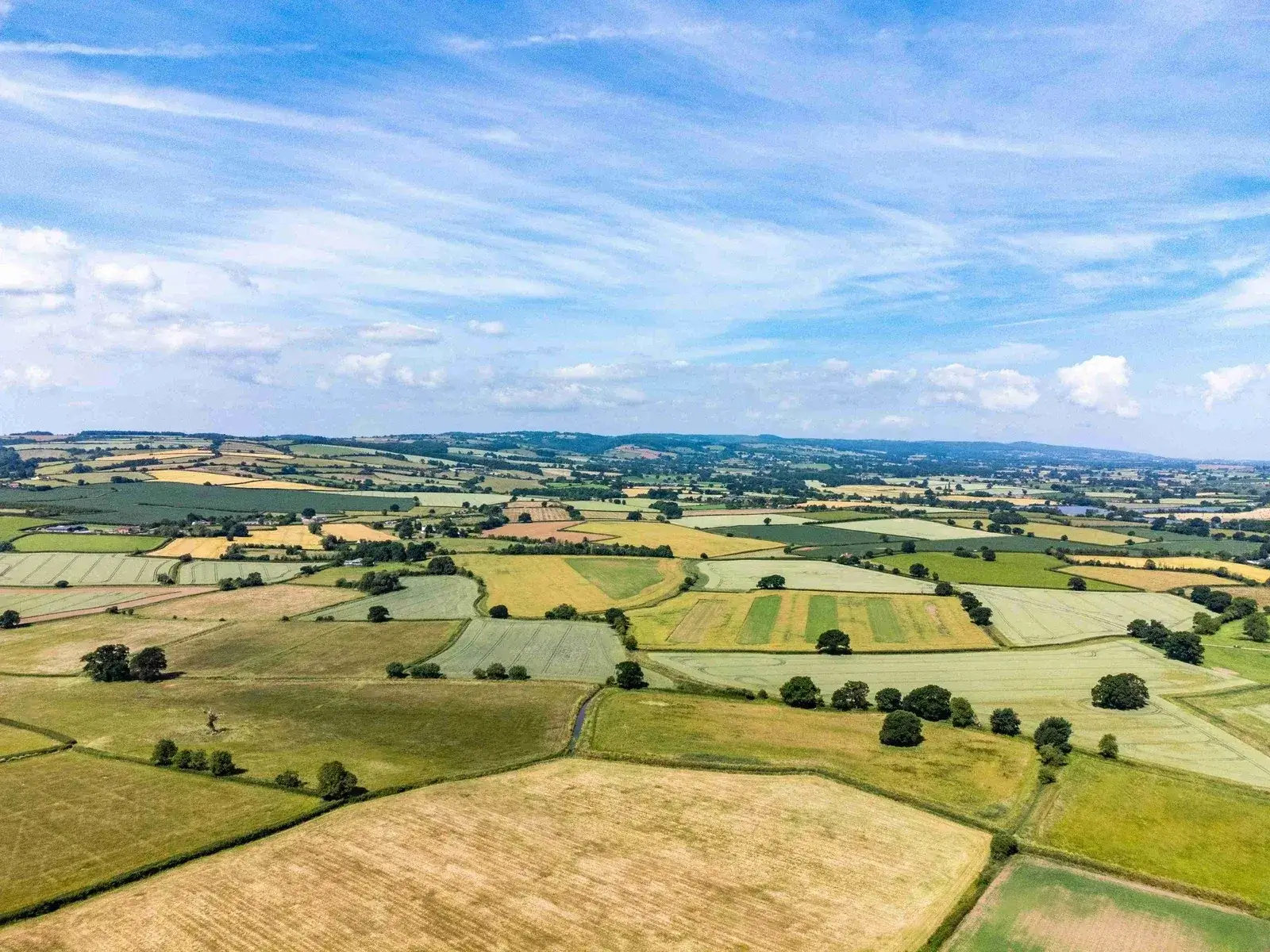
Farmland and Local Plan Allocations
Farmland can sometimes be allocated for development where it forms a logical extension to an existing settlement, helps meet local housing or employment needs, and can be delivered without unacceptable planning harm. For many farmers and landowners, the Local Plan process is the route by which agricultural land first becomes recognised as a potential development site.
A Local Plan allocation is important because it identifies land for a future use, such as new homes, employment space, community facilities, schools, open space, roads or mixed-use development. It can give developers, housebuilders and land buyers greater confidence that the principle of development may be acceptable, subject to detailed planning matters being resolved.
Value My Land can review your farm’s location, planning policy position, nearby settlement pattern, access options, constraints and likely development value. This can help you decide whether to promote the whole farm, only part of the holding, or take no action until the planning position changes.
Key Factors That Influence Local Plan Allocation
Location and Settlement Edge
Councils usually look closely at how land relates to towns, villages, services, schools, shops, public transport and existing development boundaries.
Value My Land can identify whether your farmland appears to form a natural, defensible or sustainable extension to a settlement.
Planning Policy
Emerging Local Plans, housing land supply, settlement hierarchy, Green Belt, Grey Belt, countryside policy and neighbourhood plans can all affect allocation prospects.
Value My Land can review the policy background and advise whether the current or emerging plan creates an opportunity.
Access and Highways
A site will normally need safe access, suitable visibility, pedestrian connections and a highway arrangement capable of serving the proposed development.
Value My Land can consider whether access is likely to be a strength, a risk or a matter requiring technical work.
Housing and Employment Need
Where an authority needs more homes or employment land, additional sites may be required through a Local Plan review or site assessment process.
Value My Land can help you understand whether local growth pressures may support the promotion of your land.
Constraints and Mitigation
Flood risk, ecology, landscape, heritage, trees, public rights of way, utilities, ground conditions and neighbouring uses may all affect suitability.
Value My Land can help separate manageable constraints from issues that may materially reduce prospects or value.
Development Value
Allocation potential can influence hope value, strategic land value and the price a developer may be prepared to pay.
Value My Land can provide a free initial valuation and explain how planning progress could affect future land value.
What Does it Mean if Farmland is Allocated?
If farmland is allocated in a Local Plan, the council has identified it as land intended to help meet future development needs. The allocation may be for housing, employment, mixed-use development, a school, open space, infrastructure or a wider strategic growth area.
An allocation does not remove the need for planning permission. A planning application will normally still be required, supported by technical evidence. However, an allocation can establish the principle that the land is suitable for the allocated use, provided the detailed scheme complies with planning policy and site-specific requirements.
For a farmer, this can be a significant moment. Land that may previously have been valued mainly for agricultural use could begin to attract interest from developers, housebuilders, land agents and promoters. Value My Land can help you understand what an allocation could mean in practical and financial terms before you agree to sell or sign a legal agreement.
A Local Plan Allocation May Influence:
The planning prospects of the land
The level of developer and promoter interest
The difference between agricultural value and development value
Whether a promotion agreement, option agreement, sale or other strategy is most appropriate
How quickly development value may be realised
How Farmland Becomes Allocated for Development
The allocation process normally happens through a Local Plan review. Each council follows its own timetable, but farmland is often assessed alongside other submitted sites to determine whether it is suitable, available and achievable for development.
The Typical Stages of the Allocation Process
Call for Sites
A council may invite landowners to submit sites for assessment. Value My Land can prepare or support a submission for your farmland.
Land Assessment
The council considers constraints, access, sustainability, deliverability and policy issues. We can help identify the evidence needed to support the site.
Draft Local Plan
Preferred sites may be included in a draft plan. Value My Land can advise on representations and how to keep the site in contention.
Adoption and Delivery
If the plan is adopted with the land allocated, the next stage may involve planning applications, technical work and marketing the site.
Why This Matters for Farmers
Farmland is often valued by reference to its existing agricultural use. However, where there is a credible planning route, land may carry hope value, strategic land value or development value. That value can be important for succession planning, retirement, reinvestment, debt reduction, diversification or deciding whether to release only part of a holding.
Avoid Selling Too Early
Selling farmland before understanding allocation potential can mean missing a much larger future uplift. Value My Land can help you assess whether a sale now is sensible or whether promotion should be explored first.
Protect the Wider Farm
The best opportunity may be one field, yard, paddock or edge-of-settlement parcel rather than the whole holding. Value My Land can help identify the most logical land parcel to review.
Reduce Upfront Risk
Planning promotion may allow land to be advanced without the farmer paying all planning, technical and professional costs upfront. We can explain whether this route may suit your circumstances.
Value can be created long before planning permission is granted.
Is my Farmland Suitable for Allocation?
Not every farm is suitable for development, and not every field should be promoted. Suitability depends on a combination of planning, technical, environmental, market and delivery factors. Land close to an existing settlement may have better prospects than isolated countryside land, but even well-located sites can be affected by access, flood risk, landscape sensitivity, ecology or infrastructure limitations.
Local planning authorities often assess whether land is suitable, available and achievable. For farmers, this means the land must not only look logical on a map, but also be capable of coming forward within the plan period with a realistic development scheme.
Value My Land can provide an initial planning potential review to help you understand the strengths and weaknesses of your land before committing to surveys, professional reports or legal agreements.
Suitable
Is the land in a sustainable location and capable of being developed without unacceptable planning harm?
Available
Is the landowner willing to promote, sell or release the land, and are there any ownership, tenancy or access issues?
Achievable
Can the development realistically be delivered, taking account of infrastructure, abnormal costs, market demand and viability?
Common Types of Farmland With Allocation Potential
Allocation potential can arise in different parts of a farm. The most suitable land is often not the largest parcel, but the part that best relates to existing development and can be delivered with fewer constraints.
Examples of Farmland That May Be Suitable for Allocation
Fields adjoining a village
Land that rounds off a settlement edge or connects well to existing homes may be considered through a Local Plan review.
Land near a town boundary
Sites close to services, roads and infrastructure can sometimes contribute to wider growth requirements.
Redundant farmyards
Previously developed or underused farm buildings may offer a different planning opportunity from open agricultural fields.
Land beside existing allocations
Adjacent land may become relevant if an existing allocation expands, changes or needs additional access, drainage or open space.
Land with infrastructure links
Access to roads, utilities, drainage and services can improve deliverability if other constraints are manageable.
Strategic edge-of-settlement land
Larger sites may be promoted for phased development, masterplanning, affordable housing and infrastructure-led growth.
Value My Land can look at your farm as a whole and advise whether a smaller parcel, wider ownership or phased strategy is more likely to produce the best planning and value outcome.
How Value My Land Can Help
We can review planning policy, assess site constraints, consider Local Plan opportunities, advise on Call for Sites submissions and explain whether land promotion may be suitable. The aim is to give you a clear view before you spend money, sell too early or enter into the wrong type of agreement.
Where appropriate, land promotion can allow a site to be advanced through the planning system without the farmer funding all planning costs upfront. If the promotion route is not right for your land, we can still help you understand alternative options and likely value.
How We Help Farmers Maximise Land Value
Frequently Asked Questions
Free Farmland Allocation Potential Review
Value My Land provides a free initial review of your farmland, planning prospects, Local Plan allocation potential and possible development value.
Whether you have been contacted by a developer, are considering a Call for Sites submission, or simply want to know whether your farmland could be worth more than agricultural value, we can help you understand the next step.
Find Out Whether Your Farmland Could Be Allocated for Development
Understanding Local Plan policy, Call for Sites opportunities and development value could be the first step towards unlocking the full potential of your farmland. Contact Value My Land today for a free initial review.